From pro cyclist to age-group triathlete: “I just have to take as much advantage as I can on the cycling!”
We caught up with Greg Van Avermaet to talk about how switching from one sport to three isn't as simple as it sounds!

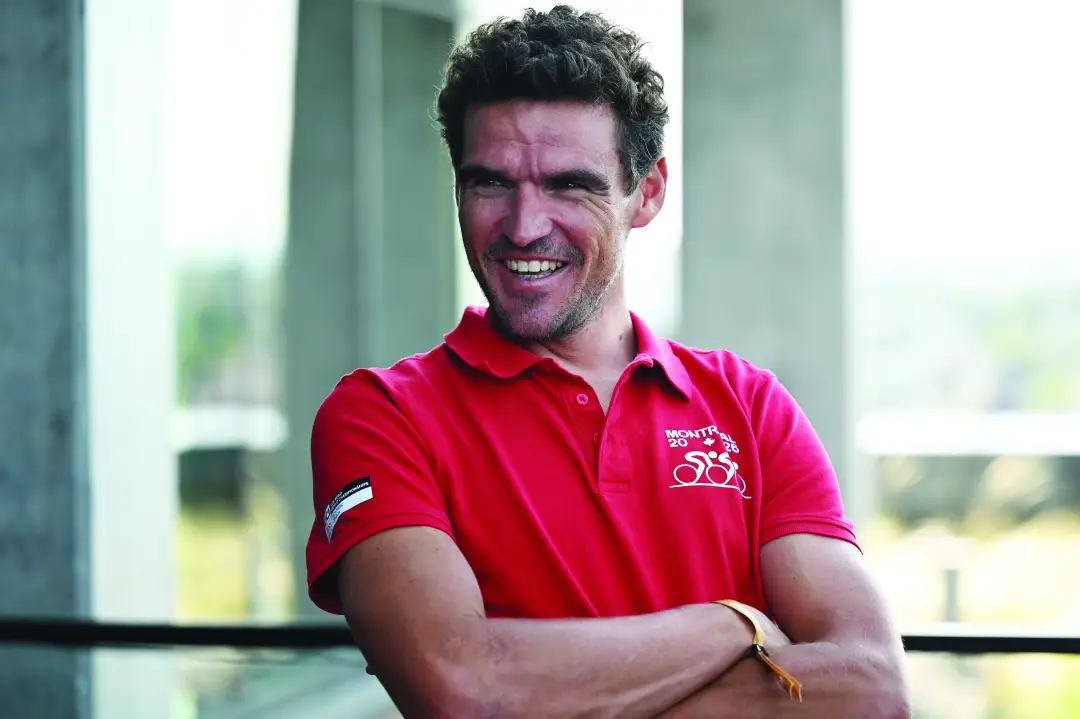
I started triathlon when a friend took me to Sgrail [Jan Frodeno’s gravel ride triathlon] a couple of weeks after I retired, and it was so much fun that I carried on. I did an Ironman 70.3 in Knokke-Heist [in Belgium] in 2024 and qualified for Marbella. I was already following triathlon and thought that I might take it up after my cycling career.
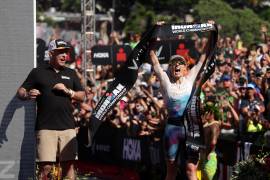
The approach is to do as well as possible. I just have to take as much advantage as I can on the cycling! I swam quite well given my ability in Marbella and I had a really good run. It’s strange to become an Ironman 70.3 age-group champion because I didn’t know the level of the racing, or what to expect.
I don’t think my wife would let me turn pro, but it’s fun and to see how far I can go. It was always on my mind that after my career in cycling I wanted to do something like this, out of my comfort zone. But you have to train a lot for this kind of stuff and it doesn’t come for free.
I think the full distance is really hard and scares me a bit. I’m capable of finishing it, but if I go with the ambition of trying to run fast, which is my sporting mentality, it’s really scary to do a marathon. There is a lot of training you have to put in as well, but you never know.
Triathlon is very different from professional cycling. The running is hard, the swimming is not easy because in the water it’s not easy to both sight and concentrate on your technique, and even the cycling is something that, even though I have a lot of experience with it, is a different kind of riding. You really have to keep your power stable and that’s not easy.
The biggest difference is that when we do the Tour de France, it’s only for professionals. Today, you see the pros passing – like Jelle Geens and Kristian Blummenfelt at an impressive pace – and that’s kind of cool. You don’t have this in cycling.
What do I enjoy most about triathlon? I really enjoy the water in the morning when the sun rises, it’s something special. And it’s super nice vibe with so many healthy people that are really passionate about sport.
Pressure always comes from yourself. Athletes just want to get the result they know they are capable of. Sometimes my background is a disadvantage because you know what it takes to be good as an athlete – so you still try to be professional in training and have a good preparation because that’s what it takes.
Swimming and running is the hardest part for me to train. I don’t know how far I can push it without injury. On the bike, it feels natural. I’m always seeing a lot of stuff on social media about technique or the best shoes, but it’s also fun because it involves a lot of things to get better at it.
I’ve found the swim starts quite hectic. I thought I was swimming ok in the pool, but the real triathlon start is something different. I think I’m lucky because I’ve only done the rolling starts so far.
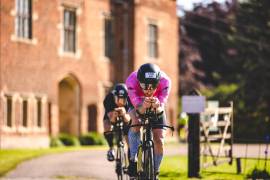
My tips for the triathlon bike leg are that pacing is important, especially on a long course. Maybe put a little more effort in on the climbs, knowing you have the descent to recover. Try to keep your position as well because aerodynamics are really important in cycling – you can save energy and go faster.
Who is Greg Van Avermaet?
Greg Van Avermaet is a professional cyclist from Lokeren. An Olympic road race champion, winner of Paris–Roubaix, and stage winner of the Tour de France, he retired from road racing in 2023 and now places his sporting focus on gravel riding and triathlon. Last year, he became the 40-44 age-group winner of the Ironman 70.3 World Championship in Spain.


 220 Triathlon Team
Journalists, reviewers, coaches and athletes
220 Triathlon Team
Journalists, reviewers, coaches and athletes