Free 12-week Ironman Peak Phase Training Plan: Key sessions leading up to race day
Smash out your final three-month block of Ironman training to ensure race-day success with this peak-phase training plan. Here's what you need to do...

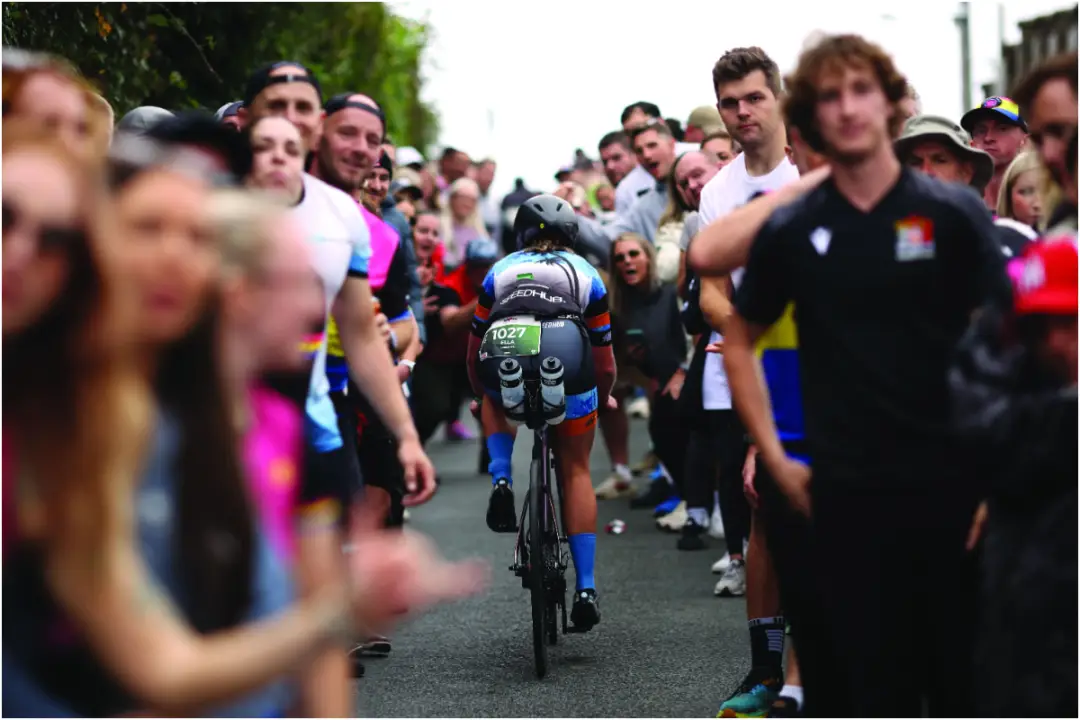
Is your Ironman race day getting closer? If you’ve booked your accommodation and chosen your race kit, now all you need to do is find a training plan, complete the peak phase of training and you’ll be raring to go.
What’s in this 12-week Ironman Peak Phase Plan?
The last phase of iron-distance race prep is about ticking boxes, covering key distances for confidence and using them to discover race pace, and the inclusion of sessions to stress your lactate threshold so that you don’t become a one-pace plodder.
Race simulations
A key ‘session’ is to actually go out and train at race pace, so we’ve included a half-iron-distance race in week six. This is a great time to test yourself and allow time for recovery before building up to the final major sessions. If possible, try to choose a test race that simulates the kind of course you’ll tackle on full-iron-distance race day.
Find open water
Looking to just complete? It’s important that you still aim to cover the distances in the big long workouts – you must have that confidence to go into race day. We’ve included open-water swim practice, so as long as the water temperatures are okay get the wetsuit on and go for it.

What level of fitness do you need for this 12-week Ironman Peak Phase Plan?
At this stage of your iron-distance prep, you’ll have covered off the Ironman base and the Build phase and should have already banked heaps of miles. You should also be able to estimate your race-day targets, which will help when it comes to pacing the vital, ‘big’ training sessions. As a rough guide, you should already be swimming 3km/1.9mi in a session, have completed a couple of 120km/74.5mi rides and be able to run a half-marathon.
Consider taking an occasional rest day if the training volume is causing major fatigue – you don’t have to include as much of the interval training, where you’re working faster than your estimated race pace. Aiming to compete? The long-distance sessions in this 3-month Ironman peak phase training plan are enough to ensure you’ve got miles in your legs.
But you can increase the duration of the interval workouts, in particular the bikes by adding further reps in the main set. You can also increase the suggested speeds in the intervals, working in excess of race pace. Ironman racing is not a sport where you can cut corners, so a well-executed plan is a must. Commit to this last phase of the build-up and race well!
What kit do you need for this 12-week Ironman Peak Phase Plan?

In order to complete this 3-month peak phase training plan, you’ll need all the kit you’ve been using in your build phases, along with race-specific tri kit like a race-belt and lock laces for quick transitions.
If you’re unsure though, here’s a checklist of all the kit you’ll need as a base:
- Swim: triathlon wetsuit, swim goggles, swim hat, triathlon watch, tri-suit
- Transition: microfibre towel, talc powder, energy bar
- Bike: gels and bars (PBJ sandwiches go down a treat here too), tri bike, triathlon helmet, triathlon shoes, socks (optional), bike computer (optional), suncream (depending on climate)
- Run: run shoes, more food!
Head over to our gear review section for recommendations on the best tri kit to use on race day!
Free 12-week Ironman Peak Phase Training Plan
Below you’ll find a link to download the PDF of coach Dermott’s peak phase training plan ahead of your Ironman race. Our plans start on a Monday, but you can start on any day of the week. Throughout the plan, you’ll have at least one rest day per week – these are sacred. Treat your rest as the fouth discipline, you need to recover in order to truly benefit from the training you’re doing, especiallyTh during this high-volume peak phase.
The initial four weeks of the plan will include roughly two sessions for each sport, with some brick sessions mixed in. If you’d rather focus on sport more, then feel free to rearrange the sessions accordingly, just don’t overdo it. Coming into week 5, the next four weeks will involve some double training days, as well as a 70.3 B-race to where you can practice race tactics and transition. If you don’t want to sign up for an organised race, you can simulate one during training instead (maybe ask some pals or family to be your aid station). The final four weeks will involve a taper and a closer focus on swim technique, along with additional race days.
Frequently Asked Questions on the Ironman – answered by coach Dermott Hayes
As the Ironman distance is so long and demanding, it’s possible you’ll be taking walking breaks during the marathon run, especially at aid stations. Since most athletes will expect to walk at some stage in the race, build it into training so it won’t be a shock.
In the peak phase so you know how everything feels and works. That includes your race bike set-up and tri-suit, even if you feel silly wearing in in training! Importantly, test your nutrition in your training building up to the race and get your stomach used to the amount of carbs you’re planning on taking in. GI issues are widespread in endurance events. No surprises on race day.
I number of athletes I’ve spied on the side of the road during a race, pulling their hair becuase they’ve bought no puncture repair kits with them will never fail to surprise me. When tyre patches come in at less than a gram these days, it’s really not worth tempting fate. Don’t let a flat ruin your day.
Be very clear as to what pace/power/heart rate you’re aiming for in each stage and stick to it. Don’t be tempted to go out too fast because you’re ‘feeling good’, this is likely race-day adrenaline that will not last over 8h to get you to the line. Use your triathlon watch to keep you on track. Pace well, and if you’ve got energy in the last stages of the run then give it your all.


 Dermott Hayes