
What is runner’s knee?
Runner’s knee is an umbrella term for repetitive stress injuries that commonly occur at the knee. Here physiotherapist James Bainbridge explains those injuries and details their causes and prevention
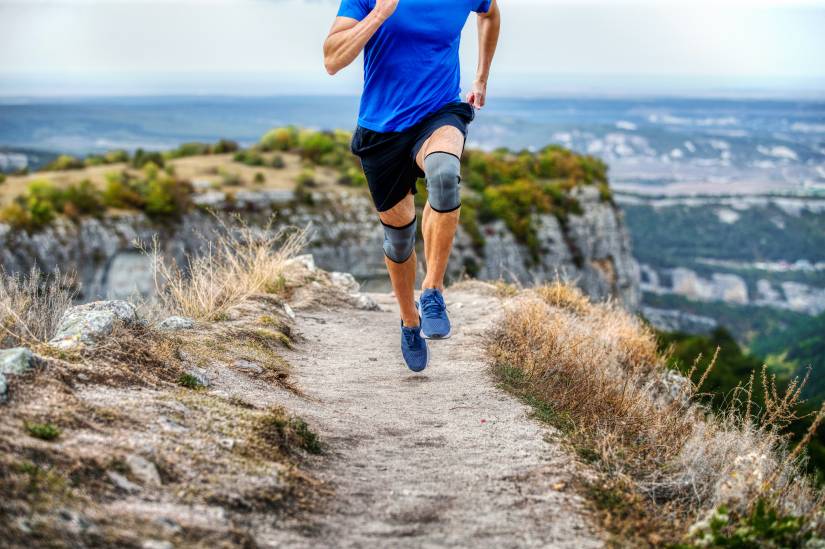
How to prevent and recover from muscle, tendon and ligament injuries
Runner’s knee is an umbrella term for repetitive stress injuries that commonly occur at the knee. Here physiotherapist James Bainbridge explains those injuries and details their causes and prevention
People who engage in high-intensity interval training are at greater risk for injury, especially in the knees and shoulders, a Rutgers study has found.

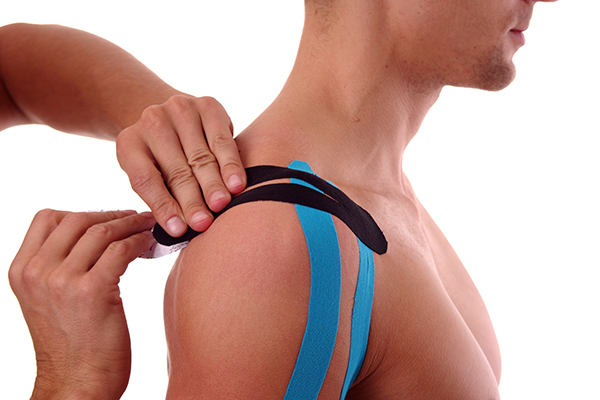
Kinesiology tape has gained a lot of popularity over the last few years but do you know how it actually works and how it will benefit your performance and recovery? Physiotherapist Shelly Chakraborty explains
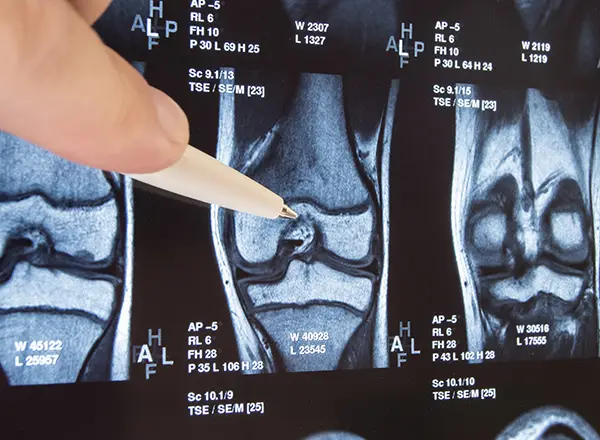
X-rays, ultrasound and MRIs are all types of diagnostic imaging tools that help members of the medical profession see what’s going on in the inside, but how they work and what each one tells us is very different. Here we explain more…
Toenails dropping off is a common complaint for runners. Run coach Scott Findlay explains how running damages the toenail, leading them to come off, and what you can do to prevent it
Cardiac surgeon Lawrence Creswell explains what swimming-induced pulmonary edema/oedema (SIPE) is, and what you can do if you’re prone to attacks when swimming
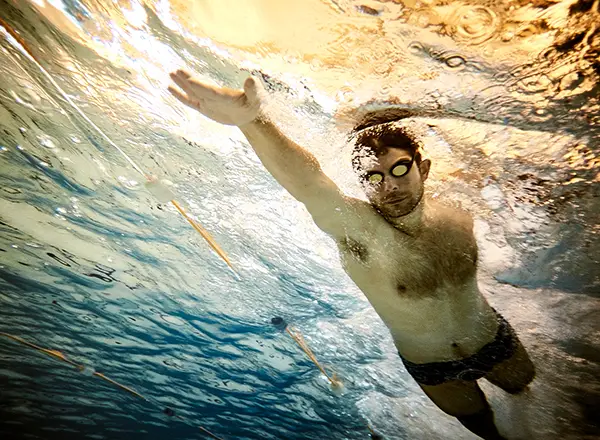
Do the balls of your feet get hot when cycling, particularly on long rides and when climbing? You are probably suffering from ‘hot foot’ says Nik Cook. Here he explains what it is, and possible causes
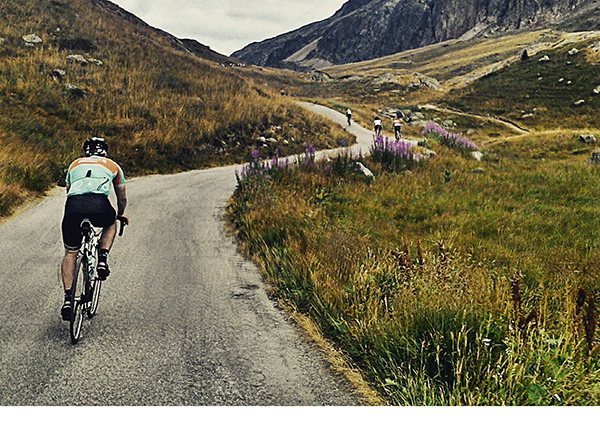
Does extreme exercise make middle-aged male athletes more prone to heart problems? No, says sports cardiologist Dr Benjamin Levine
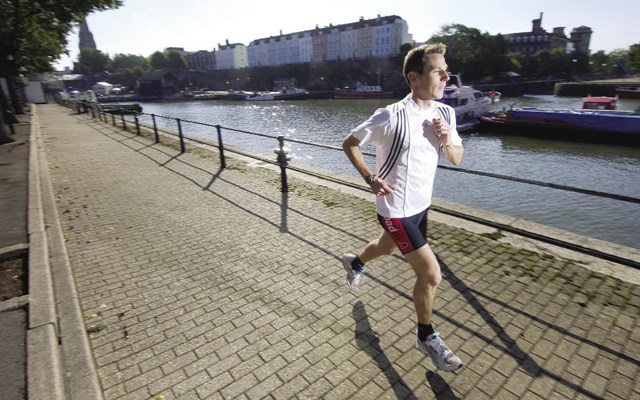
Physio Shelly Chakraborty explains what happens to your body when you start exercising or begin again after period of rest
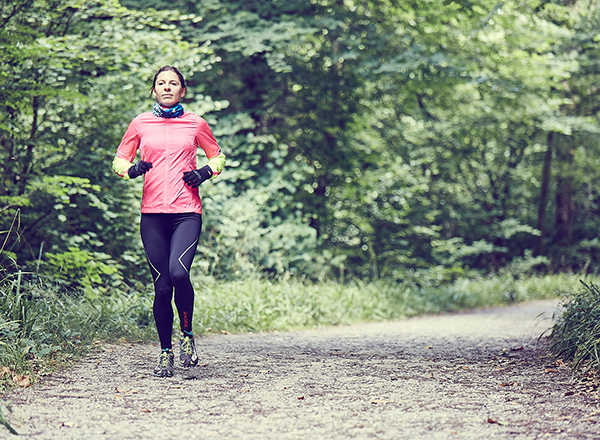
Physiotherapist Gbemi Adedipe explains what causes your muscles to still ache and hurt a few days after exercising hard
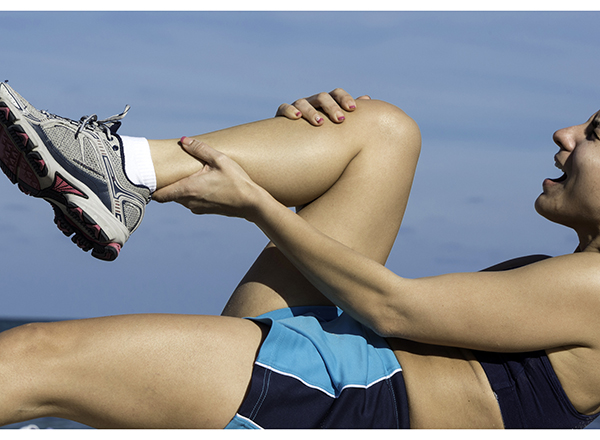
Physiotherapist Shelly Chakraborty explains the key factors that cause the most common cycling injuries and how you can treat them
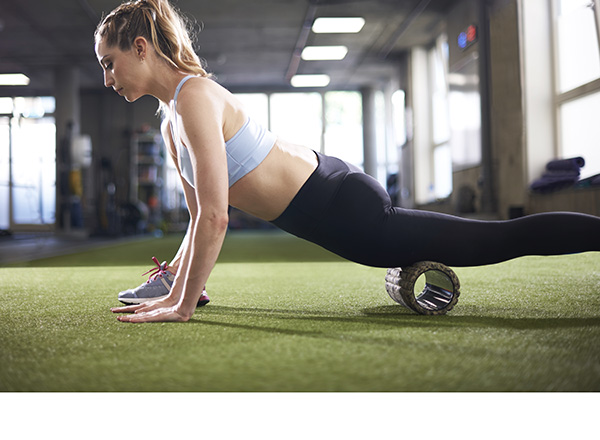
A foam roller can help to achieve similar benefits to deep tissue massage and, used correctly, can help to improve flexibility and decrease muscle tension. In conjunction with a regular strength and conditioning programme, this humble piece of equipment can help to keep you injury and niggle-free. Below are four key areas that need the most attention.
Get pins and needles in your feet when you run? Sports injury rehab expert Nick Beer explains causes and solutions
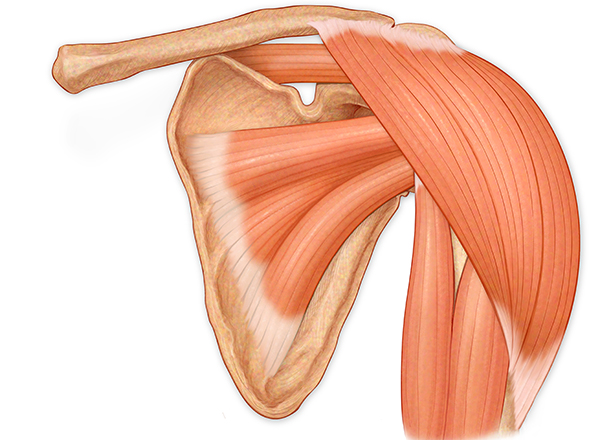
Swimming front crawl can put stress on your shoulder joint, particularly your rotator cuff muscles. Physiotherapist James Bainbridge explains all about your rotator cuff, and what happens if it becomes damaged or injured
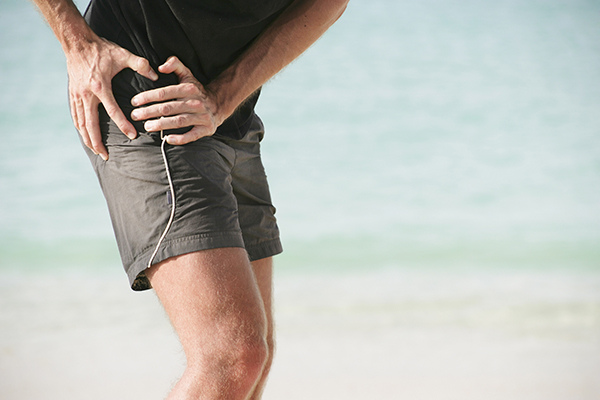
Physiotherapist Georgios Grigoriou from Capital Physio explains hip osteoarthritis and how to treat and manage it
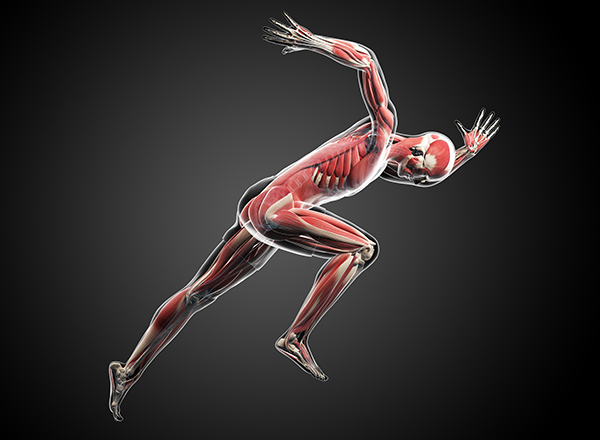
Nick Beer explains the differences between fast twitch and slow twitch muscle fibres, and how developing fast twitch fibres can improve your run performance
Tri coach Scott Findlay explains how running affects your cartilage and shares 4 tips for protecting it against injury
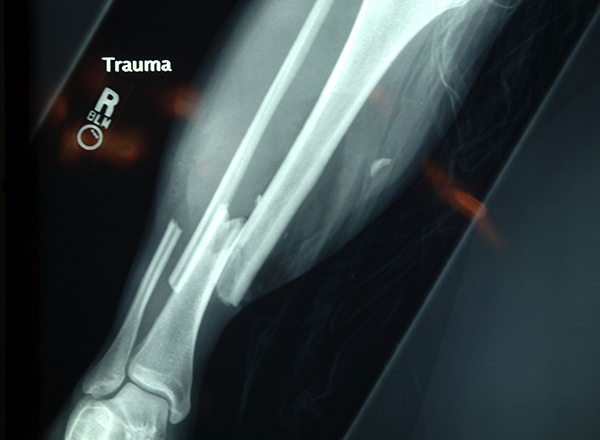
Most triathlon injuries start gradually and are associated with overtraining, but sometimes more acute, catastrophic injuries occur, such as fractures. Physiotherapist Julia Peters-Belk explains the common types of fractures and how they can be treated
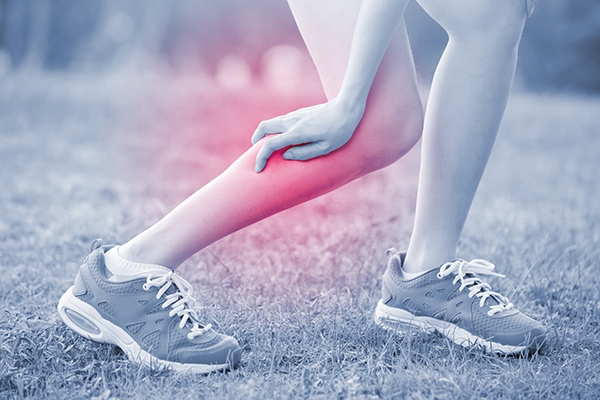
Suffer from leg cramps during races, particularly on the run? Tim Don explains how to prevent and manage it so you can carry on racing
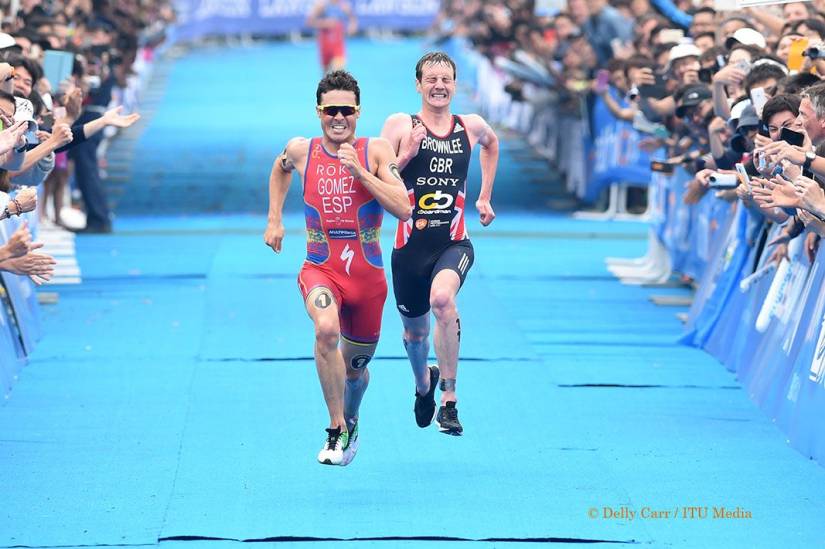
Wondering what muscles you use in triathlon and whether you have to strengthen some more than others? Nik Cook explains
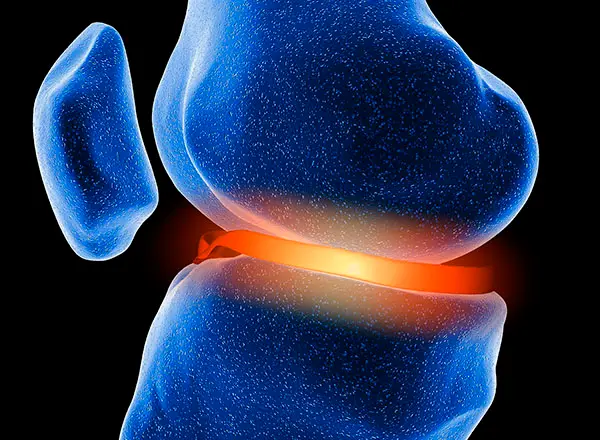
Participating in endurance sports can be hard and intense as these sports can take their toll on your joints and cartilage, says physiotherapist Georgios Grigoriou from Capital Physio. Here he explains how to treat cartilage injuries, and prevent them from occurring
Confused about the differences between a strain and a sprain? Physiotherapist Larissa Christian explain how the two different, yet similar-sounding, injuries differ and how to treat and prevent them
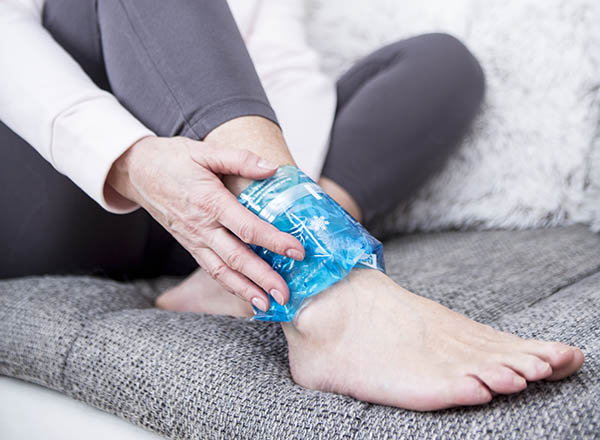
Physiotherapist Denis Murphy explains what is meant by a trapped nerve, why triathletes are particularly vulnerable to developing trapped nerves, and how you can treat them.
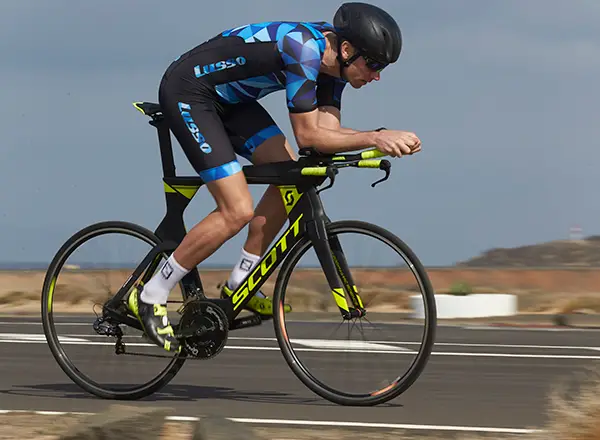
Always getting saddle sores when cycling and fed up of them impacting your bike training? Former head physiotherapist for British Cycling Phil Burt explains how to prevent them
220 Triathlon magazine is the first step towards reaching your goal, whether it's your first triathlon, you're chasing that elusive PB or you're taking on the elite.