How to spot currents and stay safe when open-water swimming
There are a wide range of factors that can cause different kinds of currents. These include wind, tidal movement, river and estuarine flow…and of course, rip currents. Swim England has this advice...

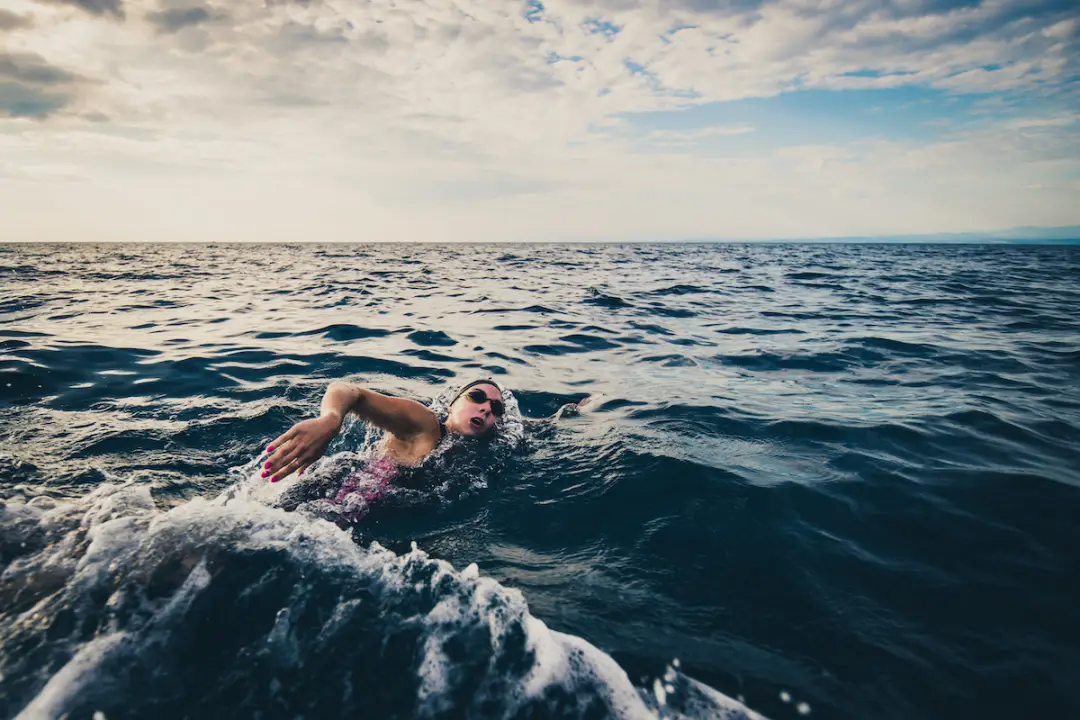
One of the biggest dangers to the open water swimmer are currents. It doesn’t matter whether you are seasoned adventurer or Olympic marathon swimmer, some currents can catch you off guard. One of the most challenging things about currents is that they change regularly, and sometimes rapidly.
There are a wide range of factors that can cause currents, and different kinds of current. These include wind, tidal movement, river and estuarine flow…and of course, the most commonly talked about, rip currents.
Here we’ll cover the key safety considerations, alongside wearing a good quality open water wetsuit, that you should to take into account when swimming in areas with currents.
Brush up on your local knowledge

Preparation is really important before undertaking any open water swim. Part of that should include planning your route and finding out about any specific challenges or dangers you might encounter. It should also involving packing the right gear for your swim, including a good wetsuit, reliable open water goggles, and neoprene accessories if temperatures are low.
If you are swimming at the coast or in estuaries in Britain, tides are one of the biggest factors to consider. In some places, such as the Severn Estuary, the tidal range (level of water) can change by up to 15 metres in six hours. Not only does this cause rapidly moving currents, it can also significantly change your entry and exit points over the course of your 30 minute swim.
Local knowledge is key. At different states of tide, a current can change direction and speed. For instance, the outgoing tide on the south coast of the UK often causes an east to west flow, and reverses as it comes back in. So the best thing to do would be to plan your swim route so this works to your advantage. For instance, swim out against the current, and then get a helpful push by the current on the swim back.
Groynes, rocky outcrops, deep water channels and harbour walls can cause eddies and rip currents. An eddy is formed when water swirls in a circular pattern, like a mini-vortex around these features.
Rip currents are seaward-directed flows of water driven by breaking waves that originate close to the shoreline and extend seaward across the surf zone, and beyond. Make sure you avoid these at all costs. Speak to local lifeguards, or swimming clubs and groups. They will be able to give you advice on the safest areas and routes for swimming, and any times that you should avoid or be more aware of.
Plan ahead and be aware of the water

Using the local knowledge you have gleaned from various sources, plan your entry and exit points. However, also make sure you have a backup plan. Think about likely scenarios based on currents. Will the incoming tide make it difficult to get out after it covers up the beach you walked over half an hour ago?
When you get into the water, being able to identify that you are in a current is essential. This requires good spotting skills whilst swimming.
It is often good to stop swimming now and again to see what the water is doing around you. Tread water and pick two static objects on land. See how your position changes relative to those objects and consider what effect that might have on your course.
If all else fails, don’t fight against the current

Sometimes you will find yourself in a current. It’s very rare for an outdoor swimmer to swim at the coast and never get caught in a current.
Whether it is a rapidly formed rip current or a slower forming type, the best advice is to not fight directly against the direction of flow.
You will rapidly tire yourself out without making much, if any, headway. Stay calm, work out which direction the current is taking you, then swim at 90 degrees to escape the flow.
Essential advice from Swim England
- If you are new to open water swimming, learn some basics in a still(ish) water venue like a commercially run lake or reservoir. Things like spotting and deep water starts. You could join a local group that will teach you these.
- Always seek local advice, ideally swim at a lifeguarded beach and take notice of any flags or signage. Check out the RNLI website to find lifeguarded beaches.
- Never swim alone. There are lots of organised groups that swim regularly with qualified safety cover. Be sure to wear a tow float for extra visibility as well.
- Plan where and when you will be entering and exiting the water and have a backup plan.
- Adjust your course early to take account for any currents that may push you off course
- Spot regularly and keep an eye on your surroundings to check whether you’re in a current unawares.
- Make sure you have a means of calling for help – always carry a swim whistle on your wetsuit to attract attention. Three loud blasts would get the attention of a lifeguard. If you are undertaking a longer swim, carry a radio or mobile phone in your tow float to call for help. If you are taking part in an organised event or a training session, listen carefully to the race briefing and safety advice.
- If you do get in trouble don’t panic, roll on to your back, signal for help using your whistle and holding a hand up in the air, consider using the H.E.L.P. or HUDDLE positions to keep warm.
You can find more about Swim England here


 220 Triathlon Team
Journalists, reviewers, coaches and athletes
220 Triathlon Team
Journalists, reviewers, coaches and athletes