What are the world’s best cycling climbs? Here are 10 to add to your bucket list
From long and unrelenting and short and not sweet, we've covered all kinds of ascent from four corners of the globe

If you’ve already ticked off many of the best cycling climbs in Europe or live on another continent, you’ll want to know what are the world’s finest ascents you can tackle by bike.
You’re in luck because we’ve picked out another ten tough and majestic climbs from North and South America, Asia and Africa. We haven’t left out Europe entirely either.
For a mixture of mountains that lay claim to being the world’s longest to shorter, punchier bumps made famous by professional racing, read on for more climbing inspiration.
1. Mauna Kea, Hawaii
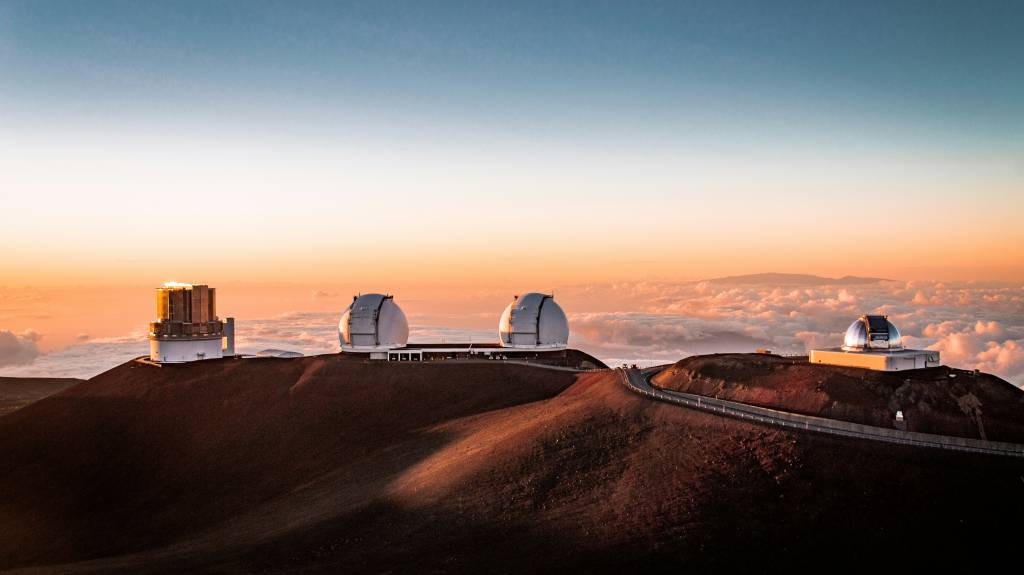
One of the world’s biggest climbs, Mauna Kea (the white mountain) rises 13,780ft / 4,200m from the sea to summit in 44mi / 70km. That equates to four times the vertical gain of Alpe d’Huez. This humongous Hawaiian ascent includes a final 4mi / 7km of unpaved road, so a gravel bike could be better than a road bike.
3. Pico del Veleta, Spain
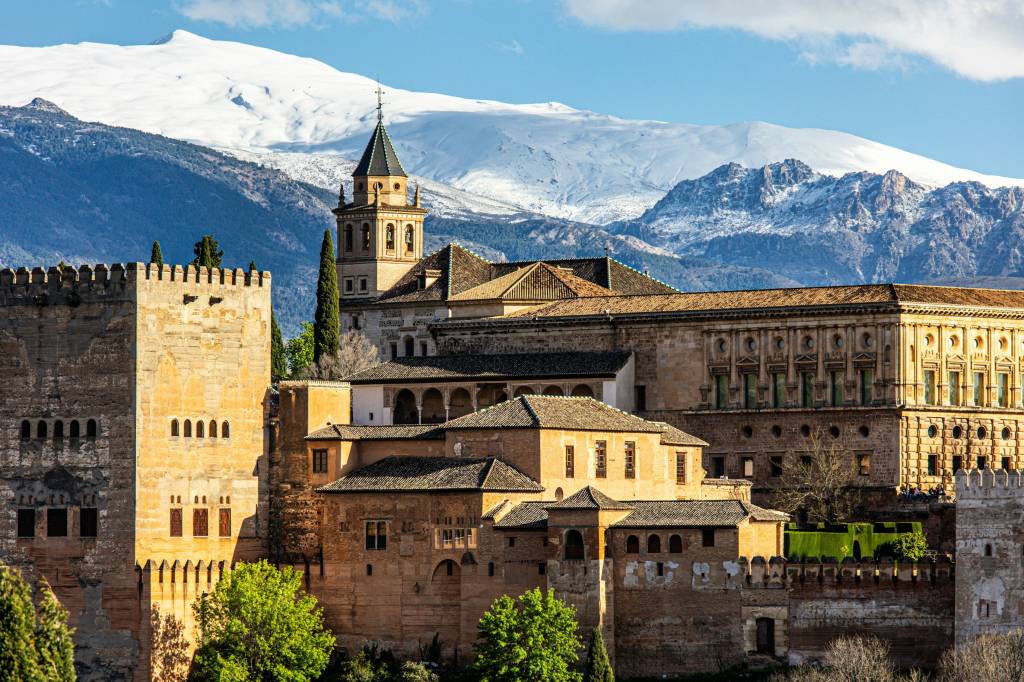
Pico del Veleta in Spain’s Sierra Nevada mountains is another colossal climb with a rocky finish. Towering at 11,148ft / 3,398m tall, it’s Europe’s highest paved road and is too high to be ridden to the top in professional racing. For 26mi / 42km from Granada, you’ll grind up at a six percent average gradient, gaining 8,858ft / 2,700m in altitude. Snow cover often renders the full climb impassable though.
3. Oude Kwaremont, Belgium
Fans of professional road cycling will know Belgium has nearly as many iconic short, steep climbs or bergs as it does punchy beers. It’s tough to pick one, but that sole ascent has to be the Oude Kwaremont for the decisive role it plays in the Tour of Flanders. In this year’s race, both Demi Vollering and Tadej Pogacar launched their winning moves here in the women’s and men’s Monument. As ever in Flanders, the mainly cobbled climb’s stats don’t look too intimidating: 1.6mi / 2.5km at 3.7% average gradient and a maximum of 12.3%. But try riding full pelt up here after a big day out and you’ll know why we’ve included it.
4. Col du Galibier / Télégraphe, France
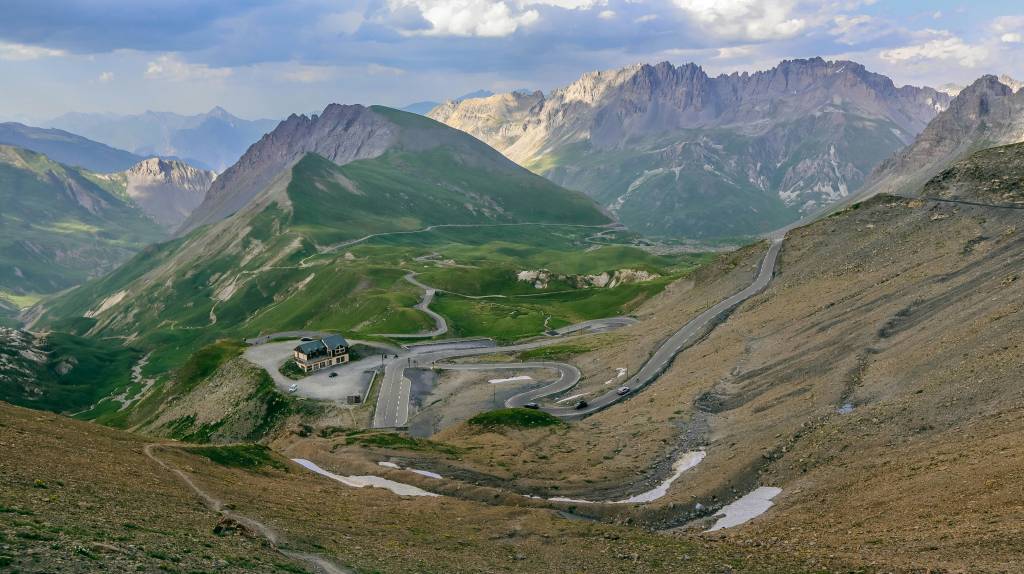
Technically two interlinked climbs, the northern side of the Galibier obliges you to first tackle the Télégraphe. Regularly raced in the Tour de France, this combination starts with the sinuous slopes of the Télégraphe (nearly 7.5mi / 12km at more than 7% average gradient) before transitioning into the Galibier with little interruption. At 8,668ft / 2,642m tall, the Galibier is the eighth loftiest Alpine paved road. You’ll struggle up for 11mi / 18km at a slightly shallower gradient to reach the top. Ride it for yourself in one of Europe’s best cycling events like the Marmotte.
5. Passo di Stelvio, Italy
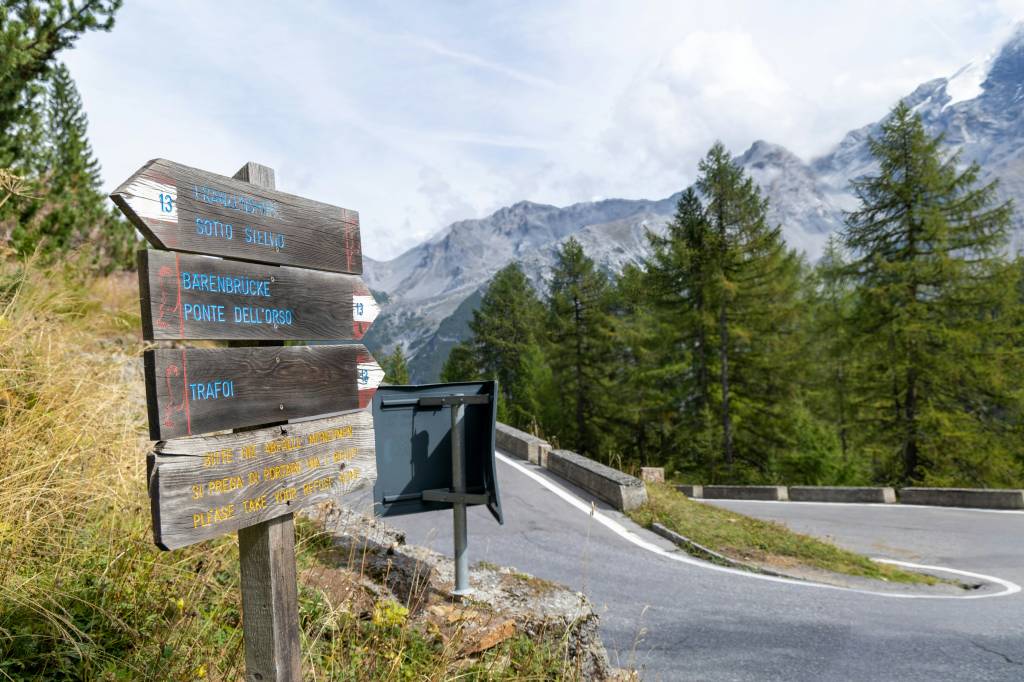
The monstrous Passo di Stelvio is so high that recent Giro d’Italia stages encompassing the climb have been altered due to impassable conditions. To ride to its 9,049ft / 2,758m peak, you’re best advised to pick the summer. Out of the three sides, the climb from Prato allo Stelvio is the hardest and prettiest. The fearsome stats: 15.5mi / 25km at an average gradient of 7.4%.
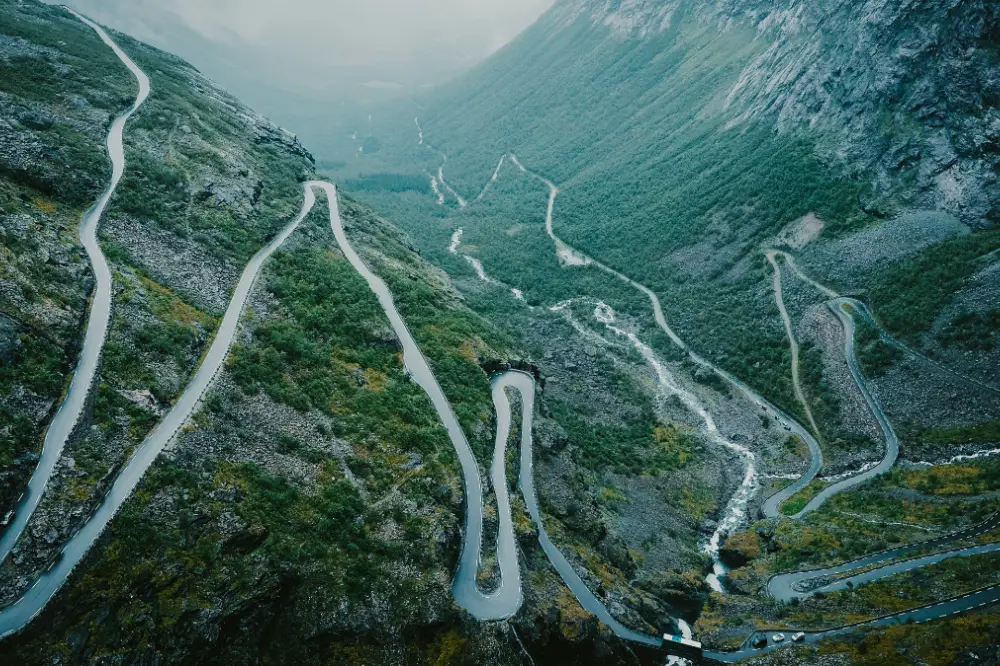
6. Trollstigen Pass, Norway
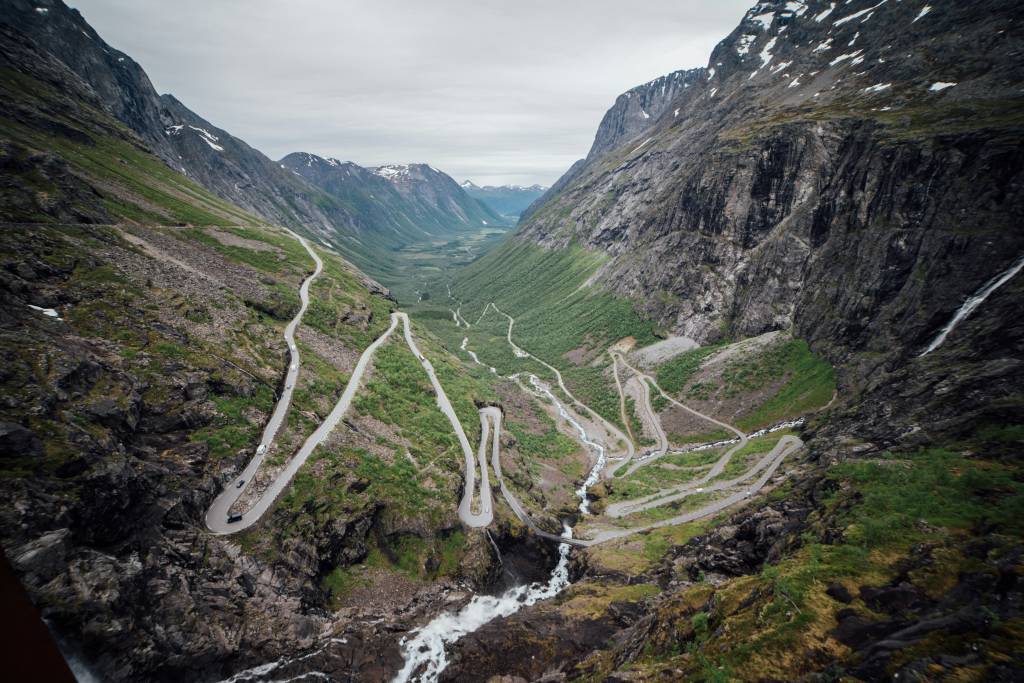
Featuring 11 jaw dropping hairpins up to 2,858ft / 871m in western Norway’s mountains, Trollstigen is one of the world’s most beautiful places to ride a bike. Although not that long by Alpine standards at 4.8mi / 7.7km, the average and maximum gradients (8.2% and 10.2%) should be testing.
7. Alto de Letras, Columbia
In terms of length, Columbia’s Alto de Letras is different gravy. Columbians will tell you it’s the world’s longest bike climb, stretching up for 50mi / 80km at a 4% average gradient. From the start in the town of Mariquita in the middle of Columbia, the Ruta Nacional 50 road ascends 10,564ft / 3,220m to the 12,070ft / 3,679m high summit.
8. Mount Lemmon, United States
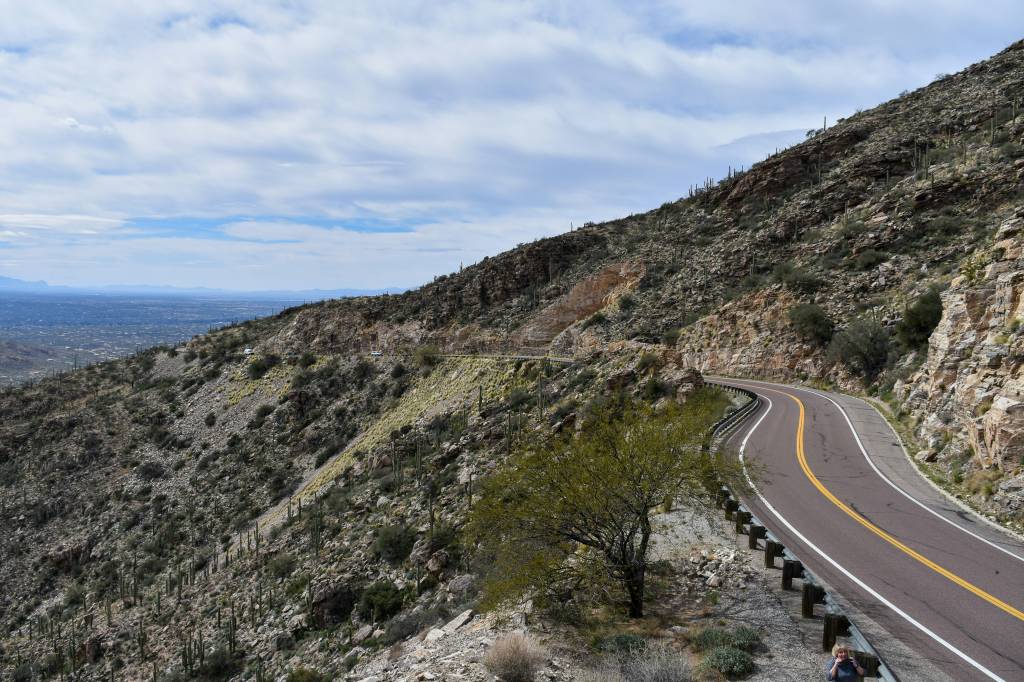
Few climbs bring about as dramatic a change of scenery as Mount Lemmon. From the Arizonan desert near Tucson, North America’s biggest cycling ascent reaches 9,134ft / 2,784m high in 27.8mi / 44.7km. While passing from baking desert through lush pine forest to the barren top, temperatures can drop by 20-30 degrees centigrade.
9. Wuling Pass, Taiwan
The Wuling Pass runs up Taiwan’s Taroko Gorge and hosts the Taiwan KOM – a 105km race and sportive from coastal Hualien to 10,745ft / 3,275m. The average gradient is modest because the length includes a 11mi / 18km flat section to begin. This is counteracted by a 15% maximum incline and a 6mi / 10km stretch at 10%. Throw in Taiwan’s high humidity and you’ve got quite the challenge.
10. Mur de Kigali, Rwanda
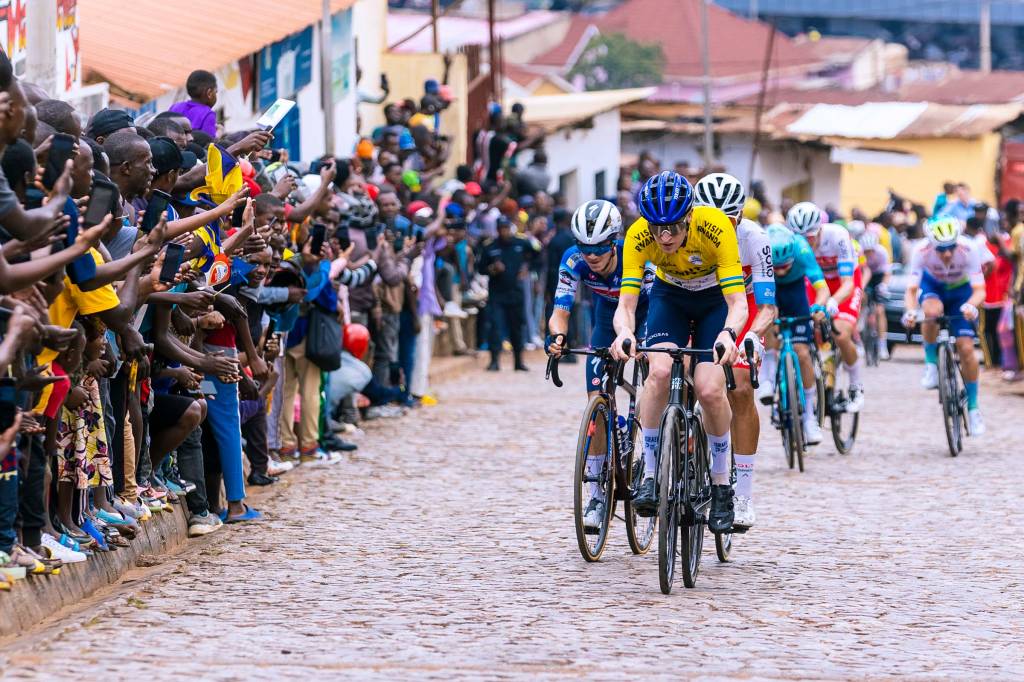
The steep and cobbled Mur de Kigali has appeared in the Tour of Rwanda for years, but only leapt to wider attention during the 2025 UCI Road World Championships. At 500m long and averaging 13.5%, the crowd-lined ‘wall’ was tough enough to lead to splits in women’s and men’s races.


 Jack Evans