10 of the best cycling climbs in Europe
From regulars in cycling's grand tours to lesser known brutes, here are the top ten European mountains you can climb by bike

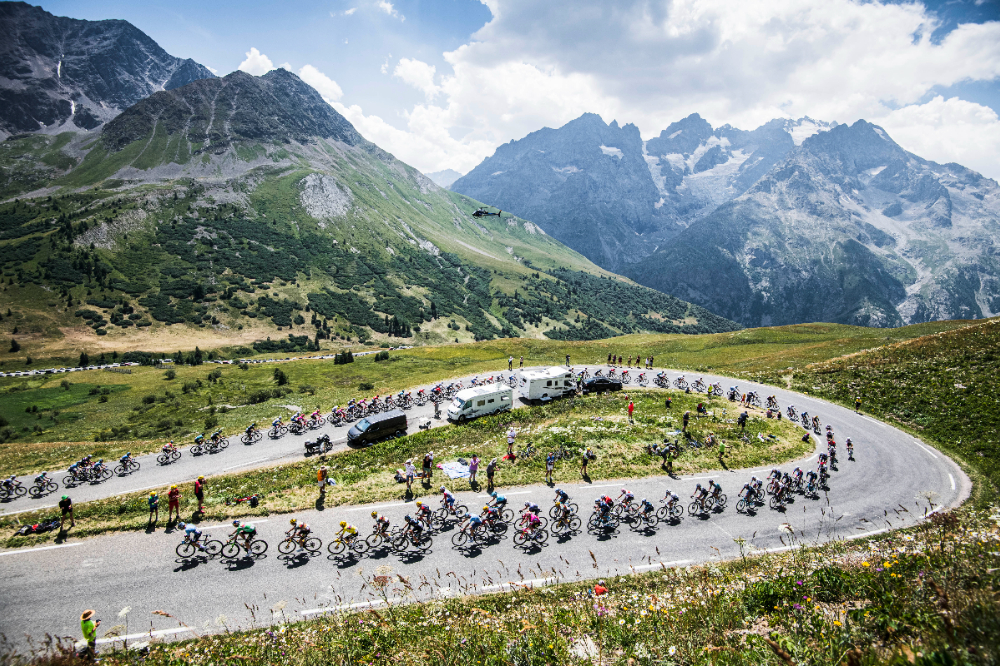
Being a mountainous continent, Europe is blessed with beautiful and brutal paved ascents, making the task of selecting the best cycling climbs in Europe a difficult one.
We’ve done our best by seeking out long, steep and scenic slopes. Our top ten will help you choose the ones to ride the next time you take your road bike on holiday or as part of a cycling event.
As the hosts of cycling’s three grand tours, France, Spain and Italy feature heavily, but we’ve also included a couple from the UK and ventured into central and eastern Europe.
1. Alpe d’Huez
Alpe d’Huez is one of the Tour de France route designers’ favourite ascents. As crowds cover the climb’s 21 hairpins, the Alpe creates brilliant images every time it’s included.
From the bottom at Bourg d’Oisans, you’ll gain 1,120m in 14km to the summit at an average gradient of about 8%. Being a ski resort climb, the slope is pretty constant and only gets just above 10% for the first 3km. The lack of let up is the real challenge.
2. Mount Ventoux

Known as the ‘Giant of Provence’, Mount Ventoux is one of France’s most feared climbs outside of the Alps. British cyclist Tommy Simpson died riding the climb in the 1967 Tour de France. The race has regularly returned since.
Out of several ways to the top, the 21.4km route from Bedouin is considered the classic. An average gradient of 7.5%, amounting to 1600m of elevation gain, doesn’t sound savage. But this conceals steeper pitches and doesn’t account for the region’s high wind. In the summer, the barren moonscape offers little relief from the pounding Provence heat.
3. Passo di Gavia
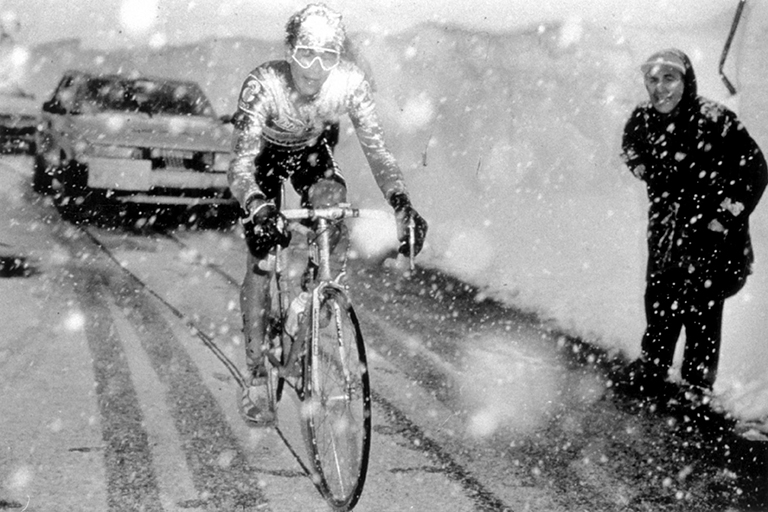
The Passo Gavia is often the Cima Coppi, the highest point of the Giro d’Italia, and is responsible for some of the race’s most iconic images. In 1988, Andy Hampsten took the maglia rosa, the leader’s jersey, after riding away from his general classification rivals in a blizzard.
It’s a hard enough task in good weather. From Ponte di Legno in the Italian Alps, the Gavia extends for 20km at a 7.6% average gradient for a total of 1486m vertical ascent.
4. Monte Zoncolan
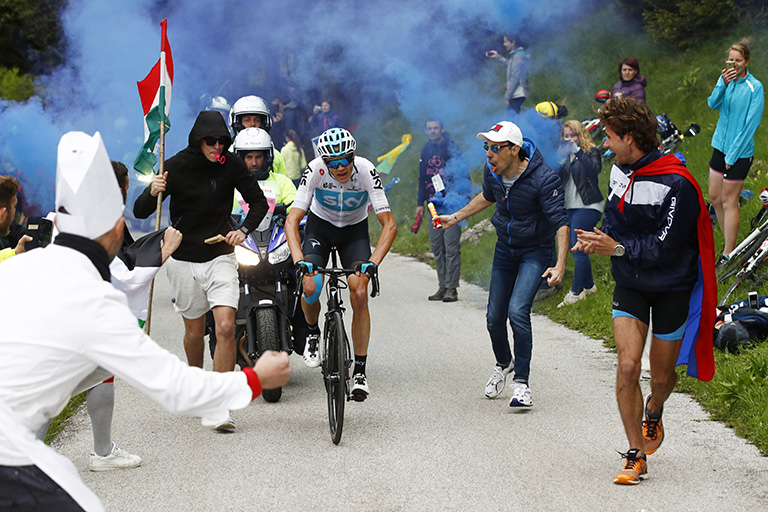
The Monte Zoncolan, in Italy’s Udine region, proves that length isn’t everything when it comes to cycling climbs.
In just under 10km, it sends you up 1206m thanks to its punishingly steep 12.3% average gradient. Its extremely difficult middle section peaks at 20% and there’s only a little respite closer to the top.
5. Alto de l’Angliru
Widely considered to be Spain’s hardest cycling climb, the Angliru’s initial inclusion in the 1999 Vuelta a Espana provoked protests from the racers.
The headline stats of 13km at 9.4% average gradient don’t do it justice. It features incredibly steep ramps, including 500m at 23.5% at kilometre 10.5, and pitches up to 20% again closer to the summit.
6. Sa Calobra
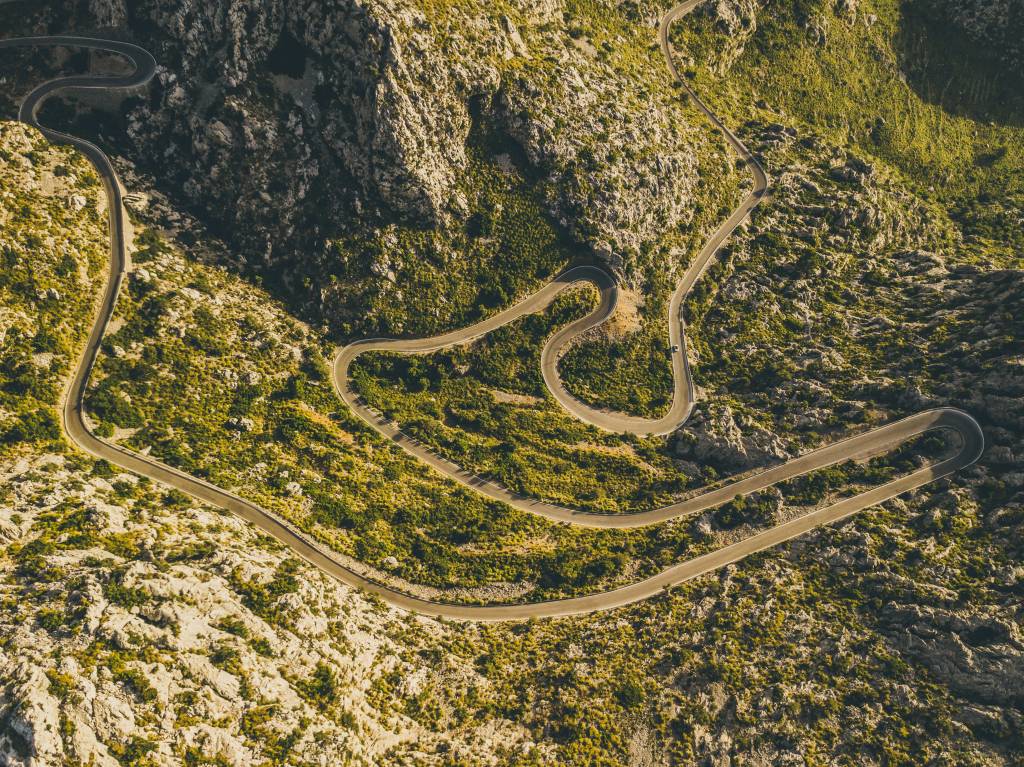
Sa Calobra on Mallorca warrants inclusion for its popularity rather than its difficulty. According to Strava, 186,477 people have posted times on the Coll de Reis segment.
That said, its 9.4km length averages 7.2%, so it’s no pushover. It’ll probably take most amateurs the best part of an hour. Its switchbacks tighten as you approach the top, giving you views of the sea below.
7. Bealach na Bà
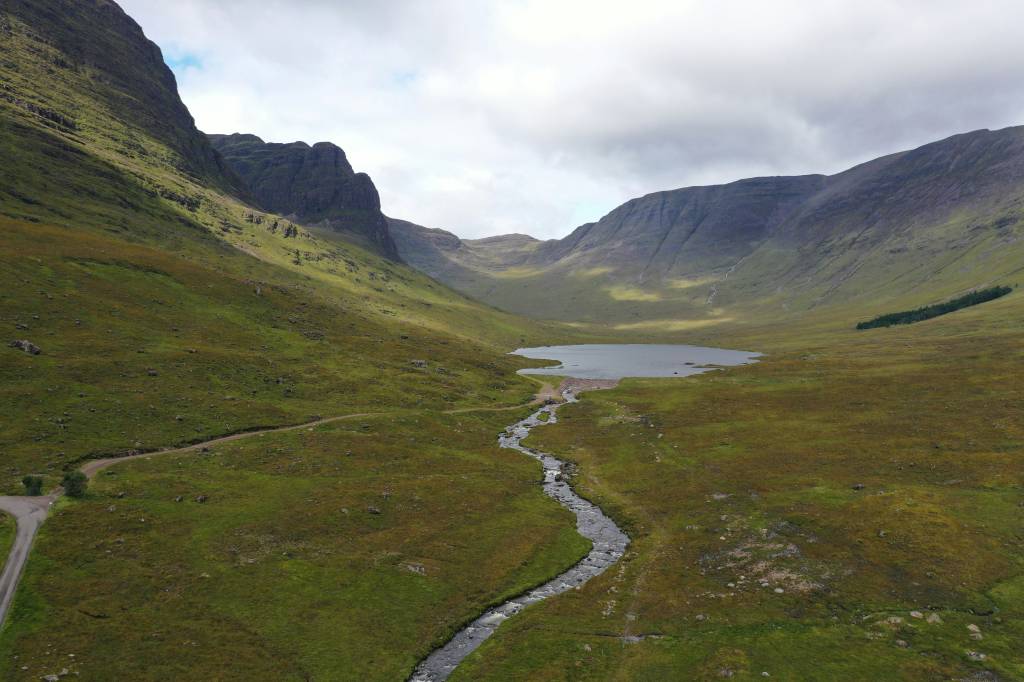
Nestled away in the Scottish Highlands, Bealach na Bà is as close as the UK gets to an Alpine ascent.
Rated 11/10 by 100 Greatest Cycling Climbs author Simon Warren, the ‘Pass of Cattle’ winds for 9.7km in the Applecross mountains, averaging 6.4% and hitting a maximum of 18.4%. That’s a very long climb by Scottish and British standards.
8. Hardknott Pass
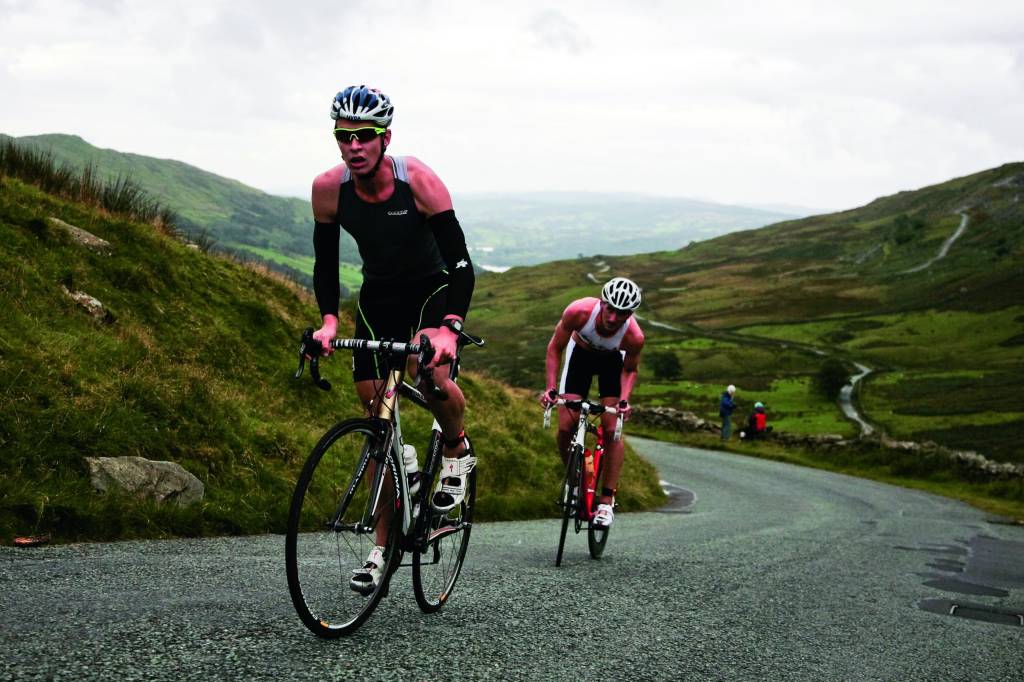
Hardknott Pass is a ridiculously difficult climb in the English Lake District due to its extreme gradients. These reportedly reach 33% on multiple hairpins and it features extended stretches at 25%. Even more cruelly, riders tackling the Fred Whitton sportive meet Hardknott after 90 miles. Fortunately it’s ‘only’ 2km-long at an average of 13%.
9. Transalpina
Transalpina is Romania’s highest paved road, topping out at a lofty 2,145m and averaging about 6% for 25km from Novaci. Length and altitude pose greater problems than its gradient which goes as steep as 9%. Being so remote and exposed, the principal appeal of Transalpina are its dramatic, panoramic views.
10. Grossglockner
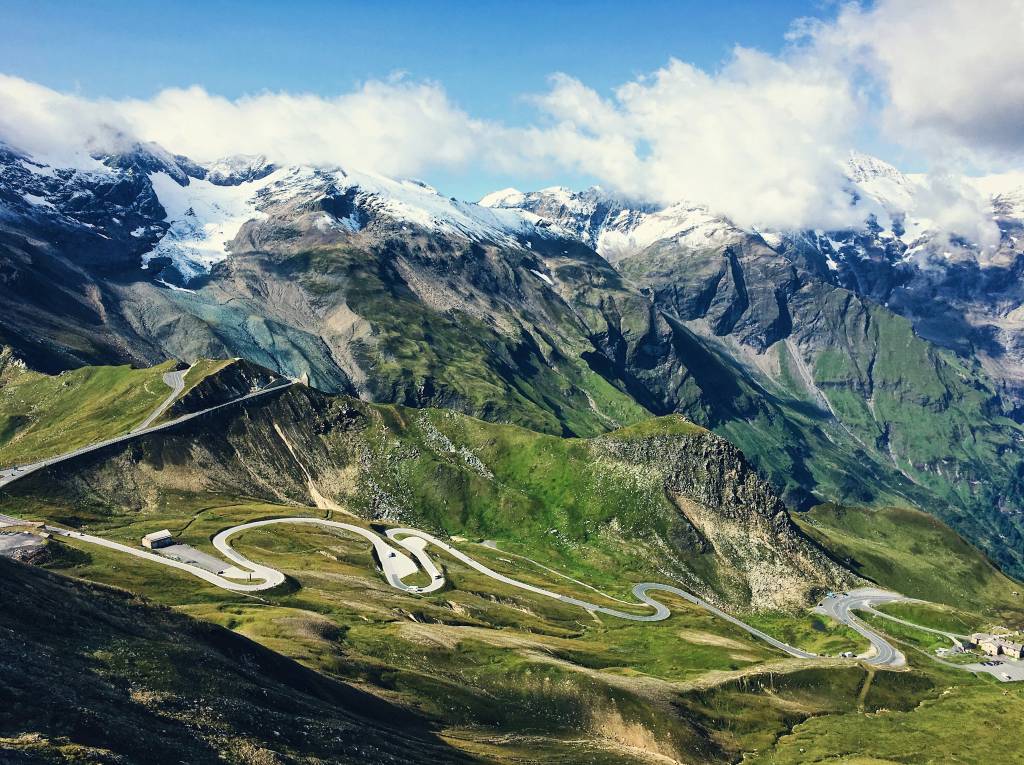
Austria’s Alps aren’t as well known among cyclists as its neighbours’, but they hide hordes of formidable climbs. The best known, if not necessarily the hardest, is Grossglockner, Austria’s highest mountain whose summit stands 3,788m tall. On the bike you can reach up to 2,369m after ascending from Heiligenblut at an average gradient of 8%.
For more inspiration, read our guide to the world’s toughest iron-distance triathlons.


 Jack Evans