A beginner’s guide to off-road running
Running over rough surfaces can trigger many training gains for triathletes. Here's how to get started…

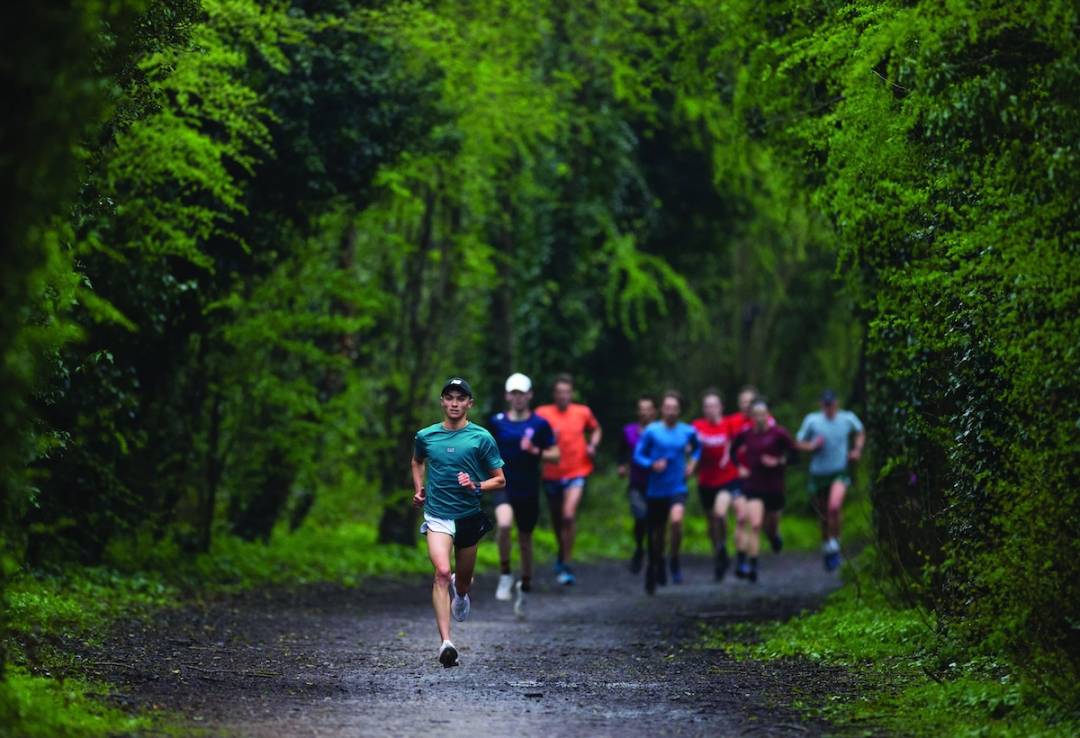
Swapping your best triathlon running shoes for something with a grippier tread and running off-road can reap big rewards when it comes to your performance.
Firstly, after a season of recording training with a running watch on tarmac and tracks you’ll probably want to mix things up and add a little excitement to your off-season training.
Secondly, your usual routes, while functional, will have by now become habitual – they get you from A-to-B as you make all the necessary efforts but you’ll have covered them so many times you can do them without thinking.
But now, in the beginning of the off-season, you can be more open-minded about your run training and have some fun with it.
But if your competitive fires are still burning, there’s a whole world of off-season winter races to take part in.
What are the benefits of off-road running?

Running on new and varied terrain places different demands on your muscles and brain. Every stride you take is different when you’re running on unpredictable surfaces so you need a greater awareness of your foot placement.
You’ll also have to alter your posture to keep your balance as you react to the changes in grip, camber and incline. Your legs, arms, breathing and posture all have to work in sync otherwise you increase your risk of, at worst, falling and injuring yourself, or, at best, ruining your run efficiency and causing your heart rate to skyrocket.
Off-road running places greater demands on your body than running on a track or treadmill does, but it also teaches you to be more efficient and move with more economy. Running on varied surfaces requires more rugged shoes but you don’t need to spend a fortune.
If the shoe can handle the demands of the terrain and keep your feet stable without overly affecting your running style, that’s all you need. Beyond your shoes there are a few more things to consider when you’re gearing up to go off road, check out Essential Equipment on the following page.
Refresh your routine
Don’t make the mistake of thinking off-road running is only for those with fields and fells right outside their front doors. Whatever gets you out and running on something that isn’t your normal route is good enough – all we’re looking for right now is a change from your usual routine, not a whole-scale reorganisation of your run training.
If you don’t have any rough terrain nearby, consider using the cross-trainer machine in the gym, running round your local football pitch in the park, deep-water running at the pool, or jogging while you walk the dog or take the baby out in the pram. Anything that involves running but that isn’t your typical run session will do.
Running on tarmac or pavements exclusively can lead to injury – it’s no coincidence that many elite runners favour training on softer surfaces before carefully transitioning to the road. Yet legions of amateur runners or triathletes just pound the pavements believing all miles are the same.
So use your off-season to give your body a break from the repeated impact and rethink your running, your routes and your training regime. Doing so will not only keep you motivated but also increase your chances of staying injury-free and ready for the demands of triathlon running next season.
Now that we’ve covered the benefits of running off-road, let’s take a look at the specific techniques needed…
Essential off-road running techniques
Run close to upright
The posture will aid your breathing. Keeping your head up and looking ahead allows you to change direction smoothly, so you can save oxygen and keep running efficiently:
Drive your arms
An accentuated arm action lifts your body and helps you coordinate your legs. Keep your hands at the ready to push off things or scrabble up severe inclines:
Experiment with gradients
Do they need to carefully paced or can they be powered over. The more you run on varying terrain the better you’ll become at adjusting your effort to meet the demands of the trail:
Look ahead
Where you’ve been is not important so keep looking forward. Adjust speed to match your alertness level – if you’re too tired to pay full attention, take it slowly:
Keep light on your feet
Think of it like running in 3D, instead of simply going forward and back, and left and right, you’ll be moving sharply up and down. And to handle this you’ll need four-limb drive:
Essential off-road run kit
Off-road or trail shoes

Look for trail running shoes with good cushioning, an outsole that can deal with sharp and slippery surfaces, and that aren’t too expensive so you can get a second pair to use when the first pair is drying.
A good option for winter is the Inov-8 Trailtalon GTX thanks to its winterproofing, traction, multiple width options and cushioning.
Padded socks

When you’re running over rough terrain and steep inclines, your foot moves around more in your shoe (and gets wet more often). A good pair of socks means greater comfort and possibly fewer blisters.
The Smartwool Run Targeted Cushion Ankle excell with their cushioning, comfort and quality construction.
Long/short sleeve base layer

A base layer that wicks sweat and reflects some heat is a great buy. Staying drier and cooler for longer means you can spend more time running. Add a gilet or rain jacket as required.
The comfortable, wram and breathable Falke Long Sleeve Top is the best we’ve tested.
Compression gear
Socks, calf guards and quad guards may help reduce fatigue during your runs or be useful to wear afterwards to help retain heat and encourage greater blood flow to hasten recovery:
LED head torch
Morning, or evening, runs on unlit lanes, footpaths, fields and woods opens up a totally new experience, but do call for the best running head torches.
Look no further than the BioLite HeadLamp 425: a lighweight, comfortable and bright light with good battery life.
While not essential, one of the best waterproof running jackets can be a good investment.


 Joe Beer