Perfect your Ironman build phase with our free 12-week training plan
Step up your Ironman training distance and intensity by following this three-month training plan written by expert coach Dermott Hayes.

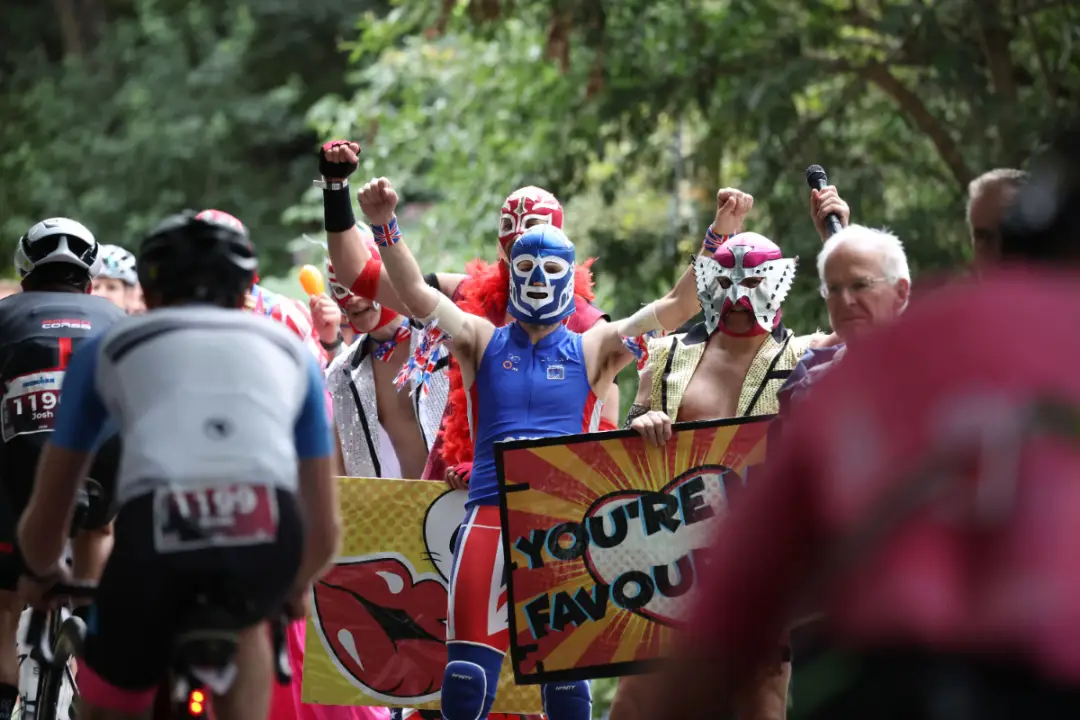
An Ironman build-phase training plan is where the really hard grind takes place before you add the final touches to your triathlon preparation in the peak phase. Luckily, we’ve got all the advice and training plans you might need!
Having executed a solid Iron-base phase, you should have improved aerobic efficiency, be comfortable with the increasing training volume and have spent time looking at your technique. Now the real work starts.
The build phase is the bridging section of Ironman training and is crucial to race-day success. There needs to be a noticeable increase in distances, a greater focus on strength/power development and brick sessions need to be started to help find your race pace.
After finishing this plan, pick another of our triathlon training plans or progress to our free 12-week Ironman peak-phase training plan.
What to expect from a build phase Ironman training plan

You can expect to develop long runs up to 28km/17mi, long rides up to 160km/99mi, plus a long 4km/2.5mi swim.
However, the real benefits are found in the interval and tempo sessions, where the focus is on improving power and strengt. By stressing the anaerobic system, you can better cope with the physical demands of racing over 226km/140mi.
Once your anaerobic system begins to work more efficiently, it will drag your aerobic system up. Your ‘sweet spot’ for racing an Ironman will improve, allowing you to travel faster.
Key to this phase is the promotion of power, so there’s a focus on this in all disciplines. In the swim we introduce pull buoy and paddles as tools to help develop greater upper body power.
On the bike we include hill-specific workouts, spending time both in and out of the saddle. In addition, we throw in ‘overgearing’ – a drill where you cycle at a resistance one or two gears bigger than usual.
The run sessions include hill sessions. Where possible, I encourage you to include rolling hills in the longer endurance runs.
Having not dedicated much time to this intensity of training in the base phase, it probably will feel stressful. So accept that it will take a couple of weeks to adapt physiologically before you see any improvements.
Spend time looking at the course profile and terrain for your Ironman race. Where possible try to simulate the course into some of your longer sessions.
Also note: this plan does not include prescribed open-water swimming. But if you are able to include open-water time, (which I advise) it could take the place of the long endurance sets.
Ironman build-phase training plan tips

Hit the hills
Make inclines your friend. Strength work will pay dividends on race day. Taking on hills in training are the single best way to organically incorporate strength work into your training, without going to the gym. And who knows, maybe you’ll even start to enjoy them given practice!
Go aero
Practise time in the aero position on the bike. Play around with set-ups to find the most comfortable and if you’re unsure, then it’s worth asking tips from a bike fitting expert. A good pair of clip-on aerobars and a slimline top tube bar for nutrition will do wonders to level up your road bike into a more aero, race-ready steed.
Recover right
Recovery between sessions is vital: prepare meals in advance, use foam rollers, and sleep as much as you can. Putting more thought into your meals will lead to a more balanced and nutritionally complete diet to support training.
Meanwhile, foam rollers and massage guns are brilliant tools for diminishing the effects of DOMS (delayed onset muscle soreness) by boosting blood flow and oxygen to sore muscles.
Sleep is oft underestimated yet critical for recovery. Don’t underestimate the restorical effects of sleep, without it you will struggle to progress and make the most of your training.
Know your numbers
Be very clear as to what pace/power/heart rate you’re aiming for in each stage. The best way to do this is to calculate your training zones for each metric.
We recommend taking an FTP and run test to ascertain your current performance level at the start of a plan, as a means to more easily compare and recognise future progress.
For more advice on your journey into triathlon, here’s how long it takes to train for one if you’re starting from scratch.


 Dermott Hayes