Refuel, reflect and cool down (literally): how to recover from a triathlon like a pro
Former pro and current coach Non Stanford explains how to recover from a triathlon so you're raring to go for your next race

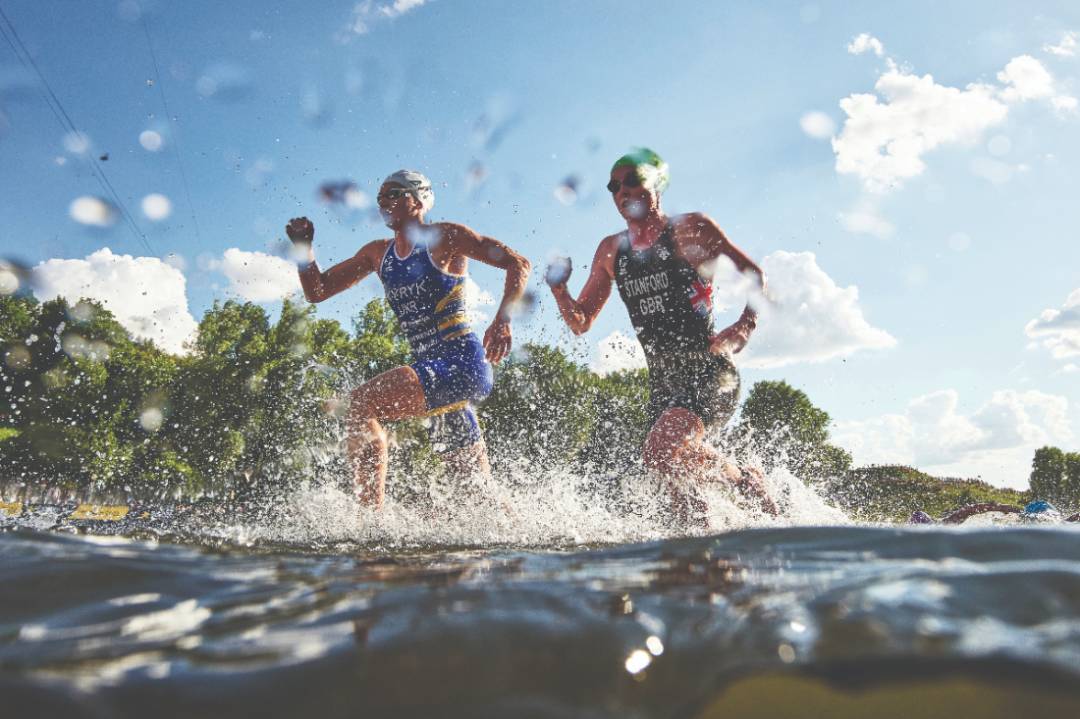
Everyone tells you what to do before and during a race, but how should you recover from a triathlon in the hours following a big outing in your favourite tri-suit?
Because, and especially if you have another race on the horizon, what you do in the immediate aftermath of a race can have a big impact on how well you recover and therefore perform in the days and weeks that follow.
Once you cross that finish line, it’s really easy to throw all your usual discipline out of the window, and to immediately reach for the recovery beers.
But by applying some simple strategies, you can still have a celebratory beverage and also feel tip top and ready to go again in just a few days.
Similar to your pre-race routine, getting your nutrition and hydration right can have a big impact.
Combine that with a few tricks and tips used by the seasoned elites, and you too can be recovering like a true pro.
Meet the expert
I’m Non Stanford MBE, an Olympian and former world and European champion. I have a degree in sport and exercise science from the University of Birmingham. After retiring I moved into a full-time coaching role with British Triathlon at the Leeds Triathlon Centre.
Race recovery done right means you can jump back into full race fitness, ready to go again in no time.
Here are my top pro tips to help you race strong all season…
1. Use the 20-minute window
After a tough race there’s a magic 20min recovery window where your metabolic rate is elevated.
If you get your nutrition right you can capitalise on this and speed up muscle repair.
You should be aiming for 200-300 calories in a mix of carbs and protein (roughy a 3:1 ratio).
A recovery shake along with a banana is a great option as you can easily stash a sachet in your bag.
Carbohydrates are the priority at this point as you’re aiming to replenish your muscle glycogen stores.
While a little bit of protein is needed to begin the muscle-repair process, too much can hinder the body’s ability to absorb carbs.
2. Don’t neglect a cool down

We all know that a post-session cool-down is a must, but it often gets neglected after a race.
If you go behind the scenes of an elite race you’ll find rows of rollers with athletes cooling down after the event.
While this isn’t practical for the majority of us, we could all find 15min to go for an easy jog (or walk if you’re really struggling).
If cycling is an option, aim for 20mins with 4 x 15sec pick-ups to really flush the legs.
3. Rehydrate

Racing is a sweaty affair. Even on a cold, overcast day, your sweat loss during a race is still pretty high.
And even with the best intentions, it’s easy to forget to drink amidst the chaos of a race.
It’s well documented that dehydration is detrimental to performance and, more importantly health, and will therefore slow the recovery process.
Signs and symptoms include muscle cramps, nausea and dizziness – feelings we’re all too familiar with post-race.
Begin the rehydration process as soon as possible by drinking plenty of water and taking on essential electrolytes.
Rehydration tabs are a great option to make sure you’re getting exactly what you need.
4. Reflect on your race
It’s always worth taking 15mins to reflect on how it’s gone for you.
Jot down some thoughts, do a voice note or chat it through with a coach or friend. What do you think went well?
What could you have done better? What are the key learnings you can take away from the day?
Debriefing can help you process the events of the day, find the positives when all you can otherwise focus on are the negatives.
Ensure that even the worst day was an opportunity to learn and improve for the future.
Mental decompression is just as important as physical recovery. In fact, it can even delay your body’s ability to bounce back quickly if you neglect it.
5. Get munching with 2hrs

After pushing your body to the limit, the last thing most of us want is solid food.
However, getting something that resembles a meal within 2-3hrs post-race can seriously aid recovery.
This is where protein intake is really key, along with those all-important carbohydrates and a few vitamin-rich veggies.
It pays to be organised pre-race as race-site food vendors don’t always offer the most nutritious options.
A few ideas to pack in your cool bag are; chicken and salad sandwiches; tuna, pasta salad; bean chilli with rice; falafel and roast veg wrap.
6. Take the plunge

Ice baths are thought to aid recovery by reducing inflammation and muscle damage and therefore soreness, and athletes have used them as a recovery tool for years.
The scientific literature on their effectiveness is mixed, but some people continue to swear by them.
Give it a go yourself by filling up a bath with cold water and throwing in a few bags of ice. Ideally the water temperature should be between 10 and 15°C.
And if you can, try and sit tight for 10-15mins.
7. Book a sports massage

This is a real pro athlete hack, but if you’re lucky enough to have access to a sports massage therapist get yourself booked in within 24hrs.
A gentle flush through of the muscles can help blood flow to tired muscles in order to promote muscle repair.
It can also improve lymphatic circulation to aid the removal of waste products.
8. Wear compression gear

Research shows that wearing high-quality, full-length sports compression wear after exercise improves blood flow and therefore recovery.
By compressing the blood vessels in the body, you help them pump blood more efficiently. A bit like a massage, it aids muscle recovery by improving blood circulation.
Your partner might not approve of your new attire, but your body might very well thank you.
9. Sleep it off

The most underrated yet most effective recovery tool is sleep.
A good night’s sleep is your best chance to recover effectively from a race.
However, it can be challenging to nod off after a day at the races.
Increase your chances by practising good sleep hygiene: limit caffeine, put your devices down, don’t go crazy on the celebratory beers and ensure your room is nice and cool. If you’ve still got the race on your mind, get the thoughts out of your head and onto paper. Writing things down helps rationalise late-night thoughts.
And if you can get a few naps in over the days that follow, then consider yourself a true pro!
10. Ease back into training

The training you do in the first couple of days post-race can be critical.
It can be tempting to jump back into the swing of things straight away, but you have to respect the additional stress racing puts your body under.
Aside from the obvious physical exertion, racing can be both mentally and emotionally draining; from logistics and planning to pre-race nerves and post-race euphoria, racing is a rollercoaster!
So be kind to yourself and limit the risk of injury and illness.
I generally advise a day off post- race with some gentle stretching and mobility, and then a very easy day two days later to get the body moving again.
How long and tough the race was will determine what training will look like after that point, but a graded return over five days is a good start.
If you have more racing to come, use one of our free triathlon training plans to prepare. If not, read our complete guide to off-season training for triathletes.


 Non Stanford
Triathlon coach and former pro triathlete
Non Stanford
Triathlon coach and former pro triathlete