10 tips to optimise your endurance sport fuelling
Choosing a performance diet can feel overwhelming – but it doesn’t need to be. Here are 10 tips to get you started on the way to fuelling like an elite athlete..


The periodised model of nutrition is a popular strategy among athletes where you match your food intake with your training demands at that particular time of year. Those of you who follow a traditional periodised model of training will be aware of the phases ‘base’, ‘build’, ‘competition’ and ‘transition’. Each of these is designed to stimulate a specific physiological adaptation whether it’s to increase stamina (base), boost speed (build), ensure you’re fresh for racing (competition) or ease off training in preparation for the following season’s goals (transition). The periodised model of nutrition is its fuelling mirror where you change macronutrient and micronutrient intake as the year rolls by.
The lower-intensity base period takes you up to spring and, depending on your amount of training, carbohydrate intake should be between 6-9g per kg bodyweight. Six is for athletes on less training with a higher body fat percentage. Protein nestles between 1.2-1.6g per kg with fat around 1.1-1.3g per kg. The high-intensity spring build phase sees carbohydrate intake rise to between 8-12g per kg. Protein intake also increases to around 1.5g-2g per kg. Fat is around the 0.9-1g per kg mark.
Come the competition phase, if you’re racing for longer than 12hrs, in the last four weeks before your race you should increase carb intake from 7g per kg up to a whopping 19g per kg, protein between 1.2-2g per kg, and fat from 0.8-3g per kg.
Other nutritional snippets include following the 80:20 rule, where you eat healthy 80% of the time and ‘less healthy’ the remaining 20%. Also, whatever the time of year, choose foods rich in beta-carotene, vitamin C, vitamin E and zinc to improve immune function. Right, time to serve up your new personal bests.
1. Drink in all weathers
Don’t forget to drink during the cooler months. It’s so easy to neglect hydration levels when you’re out on a frozen ride. But your sweat glands neither disappear or decrease in number, so you’ll still generate heat and you’ll still sweat. If it’s that cold that you really can’t face another sip of your cool electrolyte drink, follow what performance nutritionist Rob Child used to serve up to his riders: a hot blackcurrant drink or tea. You’ll need a suitable vessel to retain heat and fit into your bottle cage, but it could be a Godsend.
2. Pack in the protein

Where once protein used to be inextricably associated with bodybuilders, now we know it’s equally as useful for endurance athletes. This isn’t just down to maintaining and building skeletal muscle, but to boost mitochondrial health and efficiency, too. Mitochondria are the energy powerhouses of the cells and integral to peak triathlon performance. Studies show that protein’s best consumed in regular, 20g doses for breakfast, lunch, dinner and even before bedtime, to stimulate repair and rebuild. Also think about increasing protein intake after running because of the greater physical impact, which causes delayed onset muscle soreness (DOMS). This is especially true of downhill running, which accentuates the eccentric contraction of your gait.
3. Tailor carbs to training
It’s an irrefutable fact that the winter months can mean piling on the pounds. That’s why once we are on the other side of the festive celebrations, it’s worth cutting down on the carbs and (safely) experimenting with glycogen-depleted training. This is where you ride for an hour or two on water only before breakfast. This forces your body to burn more fat for fuel at a given intensity, so you produce less lactate than you would have previously. You also reduce glycogen breakdown, which you can conserve for the harder part of your 2026 triathlons.
4. Eat slow, race fast
Even if you consume the textbook macronutrient and micronutrient content, you’ll add weight – which may not be needed – by overeating. This is especially true around now as you might not be training as much as you will come the peak summer months. Tips to prevent gluttony include: it takes around 20mins for your brain to process the signal that your stomach’s full so eat slowly; don’t eat in front of the television as you can mindlessly consume calories; use a smaller plate; and avoid empty calories like fizzy drinks and alcohol.
5. Fuel for your cycle
During the luteal phase (the second half) of the menstrual cycle, hormonal changes crank up the female triathlete’s metabolism, plus their daily energy expenditure. It’s why you should be aware of feelings of lethargy and even apathy caused by insufficient calorie intake. Frequent periods of under-fuelling has been linked with menstrual cycle dysfunction. Increasing good-quality carb consumption is a simple way to boost daily calorie intake.
6. Train your gut
It’s been shown that you can train your gut to consume greater amounts of carbohydrate per hour during training with adaptations relating to stomach emptying, plus upregulation of the expression transporters that shuttle sugar molecules into intestinal cells. But how often should you ‘stomach train’ to enjoy the benefits of greater energy delivery? A team of researchers had runners undergo 10 days of gut training over two weeks in one experiment, whereby they incrementally raised glucose:fructose intake until they could tolerate 90g carbs per hour with no stomach complaints while enjoying greater levels of endurance. You don’t need to train your gut every day; instead, work on this facet of performance as race day approaches.
7. Eat the rainbow

The chances of picking up a cold or upper respiratory-tract infection rises by as much as 80% during the winter. That’s why half of your lunch and dinner plates should be vibrant with colourful vegetables or salad. They’re a fine source of vitamins and minerals to boost your immune system. Which vegetables are best? That’s where the ORAC scale comes in. This is the Oxygen Radical Absorption Capacity scale, which is a scientific measure of the antioxidant capacity of foods. The higher the score, the greater the health benefit, with top-performing fruits including black plums, dates and figs, while vegetables include broccoli, sweet potato and spinach.
8. Put down the chilli
It seems a way off but when race day approaches, ease off the hot spices to reduce the chances of heartburn or gastro-distress. Also, a day before your race, graze on high-carbohydrate, high-sodium, low-fibre snacks to maintain optimum blood-sugar levels. It’s worth carrying around a rucksack containing foods like malt loaf and cereal bars plus two water bottles, one containing sports drink and the other water.
9. Carb up for racing
When race season ticks around, the majority of athletes will benefit from carbo-loading in their taper if they’re racing for more than 90mins. For reference, the taper is the one- to two-week period up to your goal event where you reduce training volume but maintain intensity. Just be warned that you’ll put on weight when increasing carbohydrate stores, not only due to that extra glycogen but because when you store carbohydrate, you store water, too. That’s something worth remembering if you’re competing over a hilly parcours.
10. Take vitamin D daily in winter
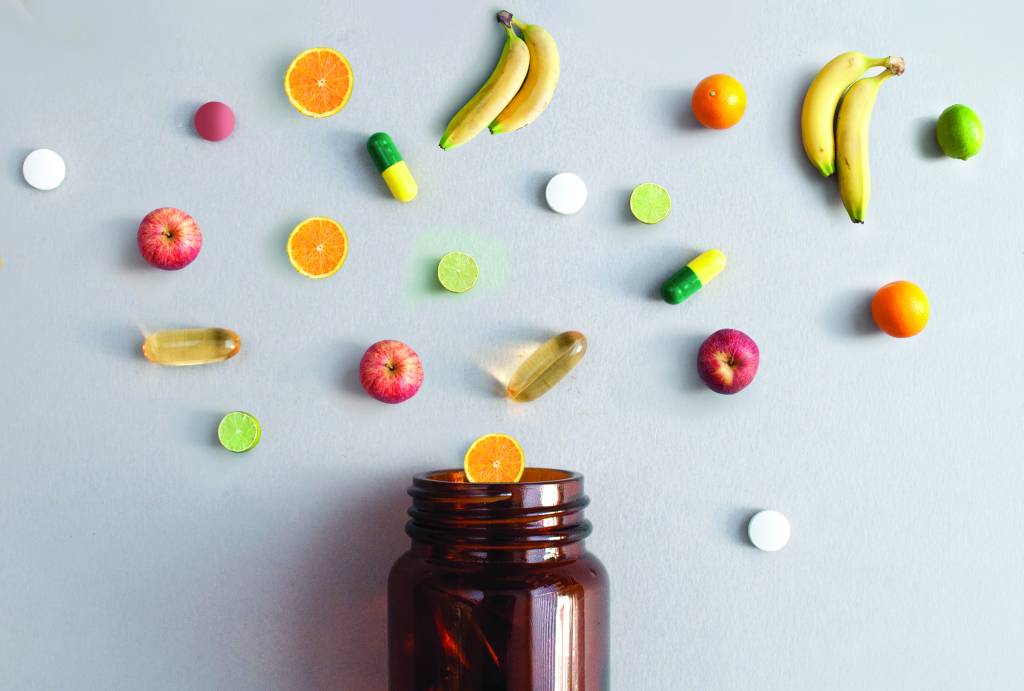
When it comes to supplementation, experts agree that those of us living in the United Kingdom should consume a vitamin-D supplement during the winter months. As it’s synthesised in the skin via sunlight (so not great during long, dark days) and contained in minimal quantities in food, a daily vitamin-D boost is recommended. A multi-vitamin’s not a bad idea, either, to bolster your immunity when the season keeps us inside more.


 James Witts
Freelance sports writer and author
James Witts
Freelance sports writer and author