How winter riding can transform your triathlon bike handling
The off-season shouldn’t mean an automatic retreat indoors. In fact, cycling opens up a whole new world of options and possibilities. Triathlon coach Ben Bright explains…

Instead of getting down about winter’s short, cold and wet days, look at them as an opportunity to improve your bike handling skills for your next triathlon season.
Believe it or not, winter also provides much more in the way of variety and training options as the summer does. And by exposing yourself to different stimuli and training intensities, you can build a great bike fitness platform for summer success. Let’s have a look at some ways to use the winter to sharpen your triathlon bike skills.
Mix it up with some mountain biking

Mountain biking is well established with a huge network of specific trails and locations around the country. Because of the levels of concentration needed, time tends to fly by.
The efforts you need to make on technical trails are very stochastic (meaning your power spikes up and down). This contrasts with typical off-season bike and run sessions.
Mountain bikers tend to have extremely good pedalling efficiency due to the need to find grip at all times. Therefore, mountain biking can help sharpen your bike handling skills in the off-season as well.
If you’re looking to compete, events range from 90 minutes up to 24-hour enduros where you can race in a team relay. If you’re keen to give it a go, then we’ve explained how to improve your mountain bike skills here.
Draw the cyclocross wildcard

Similar to mountain biking, cyclocross has been around in the UK for decades.
If you’ve never attended one or raced a ‘cross event, it’s very similar to the atmosphere of a cross-country running race. Expect a very down-to-earth, welcoming and a lo-fi atmosphere.
For cyclocross, you race on a drop-bar bike, which requires a similar handling to road riding.
But with it being off-road you get a lot more slipping and sliding – great for improving your bike handling skills for triathlon. Don’t worry if you fall off, it’s almost always a soft landing.
Races tend to be between 45-60 minutes long. If you have children, they almost always have shorter races in the programme so you can make a family day of it.
Gravel it up
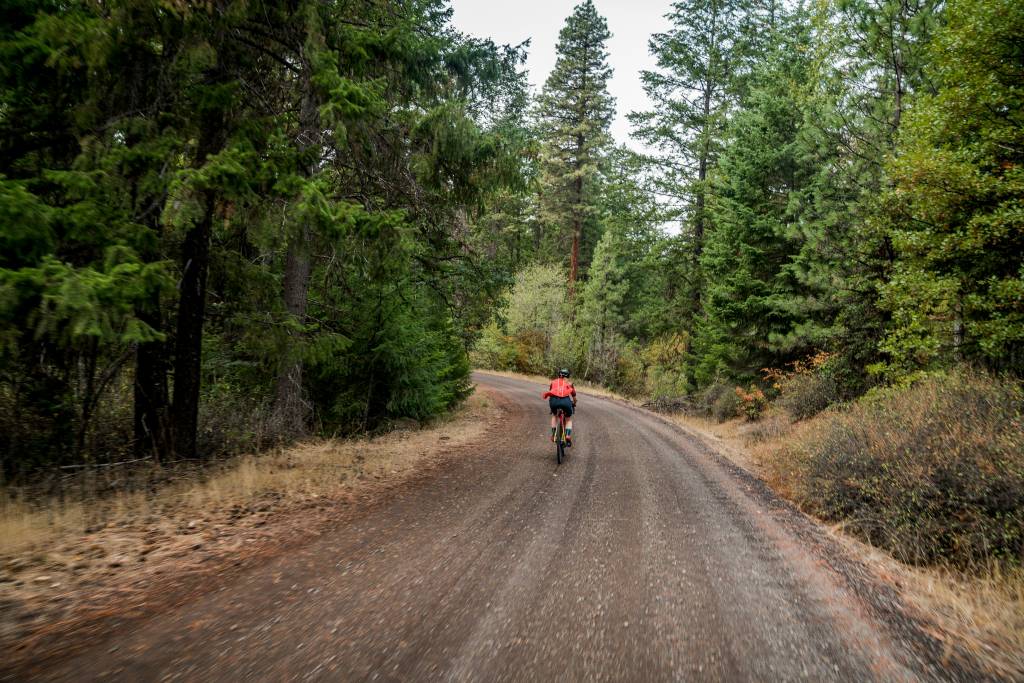
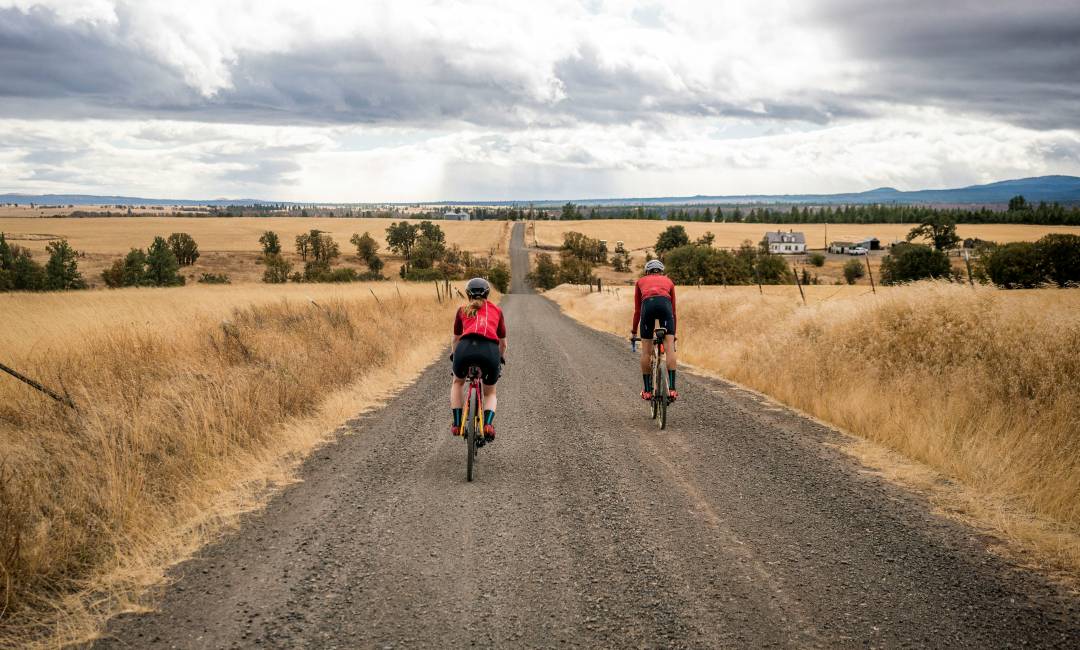
Gravel is the newer kid on the block when it comes to off-road riding. It’s riding your bike wherever there’s a bit of unsurfaced road or a path.
The beauty of bike technology these days is you can feasibly have one gravel bike that you could use for cyclocross, gravel and road just by changing tyres.
The gravel season tends to be more in the summer, but there are still plenty of riding and racing options through the winter.
Gravel races tend to be longer, in the three-five hour or more bracket. This is great for your endurance and you will see parts of the countryside you otherwise never would.
Set-up your own pain cave
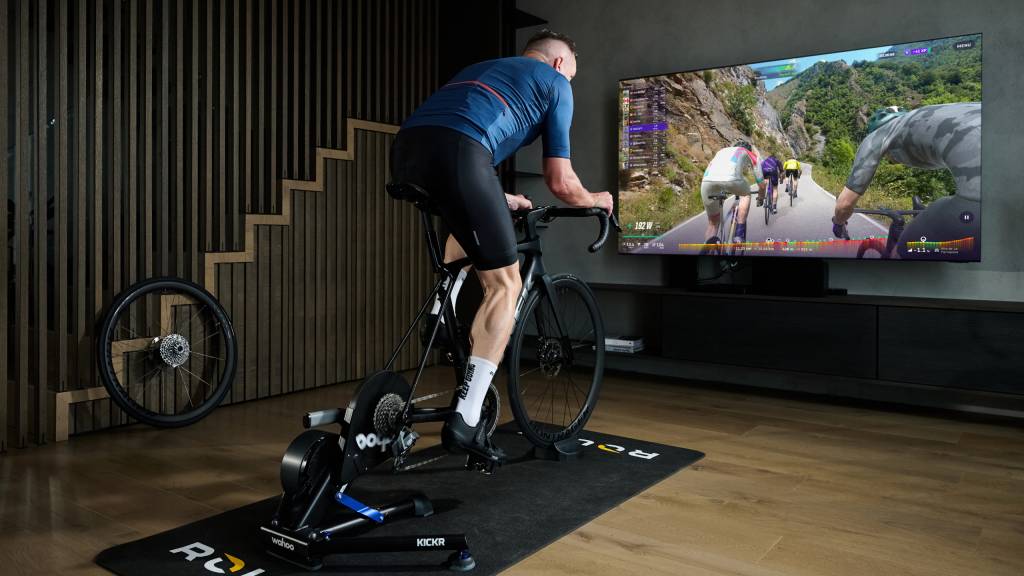
Covid saw indoor cycling software platforms and hardware explode in popularity and opened a lot of people’s eyes to a world and community they never knew existed.
The benefits of indoor riding include time efficiency and the ability to just focus on pedalling, not running into something.
Using an online race as a high-intensity session also means you get more out of yourself. The suffering is more manageable too.
Get your own turbo trainer set-up and your pain cave prepared for some serious winter training.
Our winter cycling wisdom
To sum up, if you’re feeling a bit demotivated by the thought of that long ride in the rain on potholed roads, try something different.
Variety within your off-season training plan is valuable both physically and mentally. You’ll also encounter new cycling communities.
Maybe the experience will even convince you to take up off-road triathlon?


 Ben Bright
Triathlon coach
Ben Bright
Triathlon coach