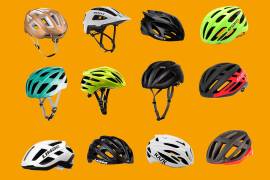
What do all the different bike helmet safety certifications mean?
Confused about all the different bike helmet safety certifications, and whether all countries adhere to the same standard? Nik Cook has this advice

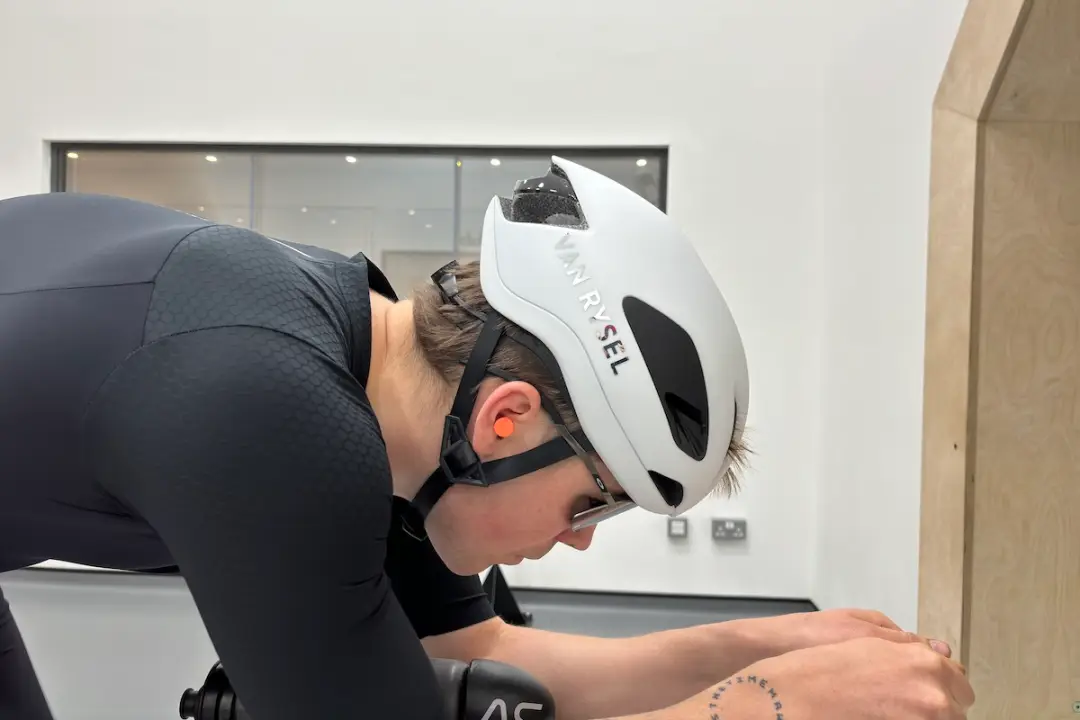
If you’ve bought one of the best aero road helmets, you know it’s fast. But is it safe? The short answer’s yes, because manufacturers have to meet minimum protection thresholds.
We’ll now explain what these are and how they differ from optional but potentially valuable extra safety technology, such as MIPS.
To help you understand what to look for in a bike helmet, we’ll run through the different helmet safety standards and the different protective tech on the market.
What are the bicycle helmet safety standards?
In the past, different jurisdictions stipulated that bike helmets for sale in their area achieved distinct safety criteria.
Sometimes this meant manufacturers had to adjust the design of a helmet to sell it in certain territories. This had the unfortunate consequence of limiting choice and raising costs for consumers.
But now these criteria increasingly converge and the regional authorities recognise each others’ standards.
Europe and UK vs North America

The EU and the UK use the EN 1078 standard and North America’s equivalent is CPSC 1203.
These standards are very similar although CPSC 1203 requires helmets to withstand more impact force.
In theory, this permits manufacturers of EN 1078 helmets to make them lighter than CPSC-compliant helmets.
But brands usually make helmets meet the more rigorous standards so they can be sold in both markets in the same form.
Both the EN 1078 and CPSC 1203 also cover aspects of helmet design, including shock-absorption, strap function and line of sight.
No changes to this standard have been made in 2025.
Australia and New Zealand
It is a legal requirement to wear a helmet while cycling in Australia and New Zealand. The countries have their own safety standard: AS/NZS 2063:2020.
As of March 2024, these countries recognise European and North American standards as well. The standard is otherwise unchanged in 2025.
Which helmets are safest?

Each brand claims their helmets are very safe, but it’s unfeasible for journalists to put these claims to the test due to cost constraints.
Fortunately, Virginia Tech University in the US independently tests bike helmets using its own safety protocol. It assigns them a score with a lower number denoting a safer helmet. On its website, 244 helmets have ratings in 2024.
Virginia Tech says it evaluates a helmet’s ability to minimise linear acceleration and rotational speed of the head from a range of impacts a cyclist may receive: in other words, to lower your risk of concussion.
What extra safety features do helmets use?
On top of this legally required standard, manufacturers can add safety technology to their helmets, usually designed to lessen the risk and severity of concussion.
MIPS
MIPS (multi-directional impact protection system) is the best known technology some brands incorporate into their helmets. It is claimed to reduce concussion risk from head impacts by diminishing rotational forces.
It’s not the be-all and end-all for helmet safety though. The first (Giro Aries Spherical) and third (Specialized Prevail 3) safest road bike helmets according to Virginia Tech don’t have MIPS.
Proprietary helmet safety technologies

Several brands have their own concussion-preventing technologies.
- Wavecell: Trek/Bontrager
- Kineticore: Lazer
- WG11: Kask
Which helmet safety standards and technology should you choose?
Where does this leave you?
Increasing uniformity of minimum helmet safety standards means any helmet from a reputable brand should meet the national requirements wherever you ride.
Whether you opt for MIPS or a brand’s proprietary technology is up to you. As you can see from Virginia Tech’s website, these features don’t appear to guarantee a high ranking from independent safety testers.
If you can afford it, we’d recommend picking a helmet that fares well in Virginia Tech’s lab. If not, you should have no concerns about the safety of the best budget bike helmets.
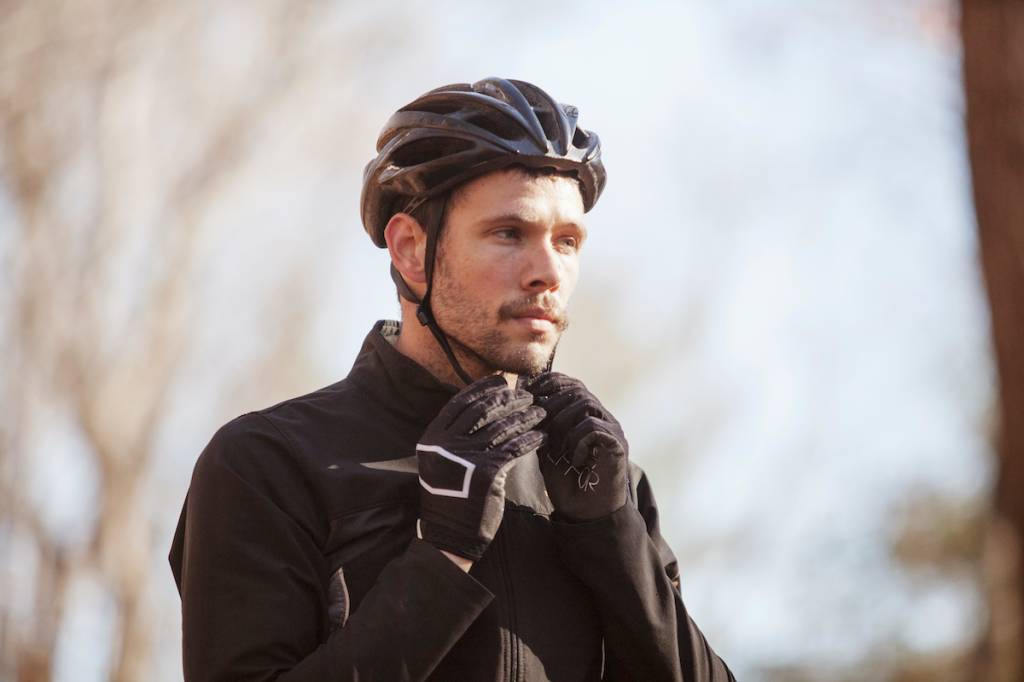
But the simplest advice we can offer is to stick to well-known and established brands and, most importantly, try before you buy to find a helmet that fits correctly.
But if yours is perched jauntily on the back of your head or doesn’t fit securely, it isn’t going to do its job if you have an off.
Another good way to protect yourself in the event of a crash is to wear a pair of the best cycling gloves.


 Nik Cook
Freelance bike writer
Nik Cook
Freelance bike writer