Pick the right aero triathlon helmet to supercharge your racing
Wondering how to choose the right triathlon aero helmet? We explain what you should take into account from course profile to riding style

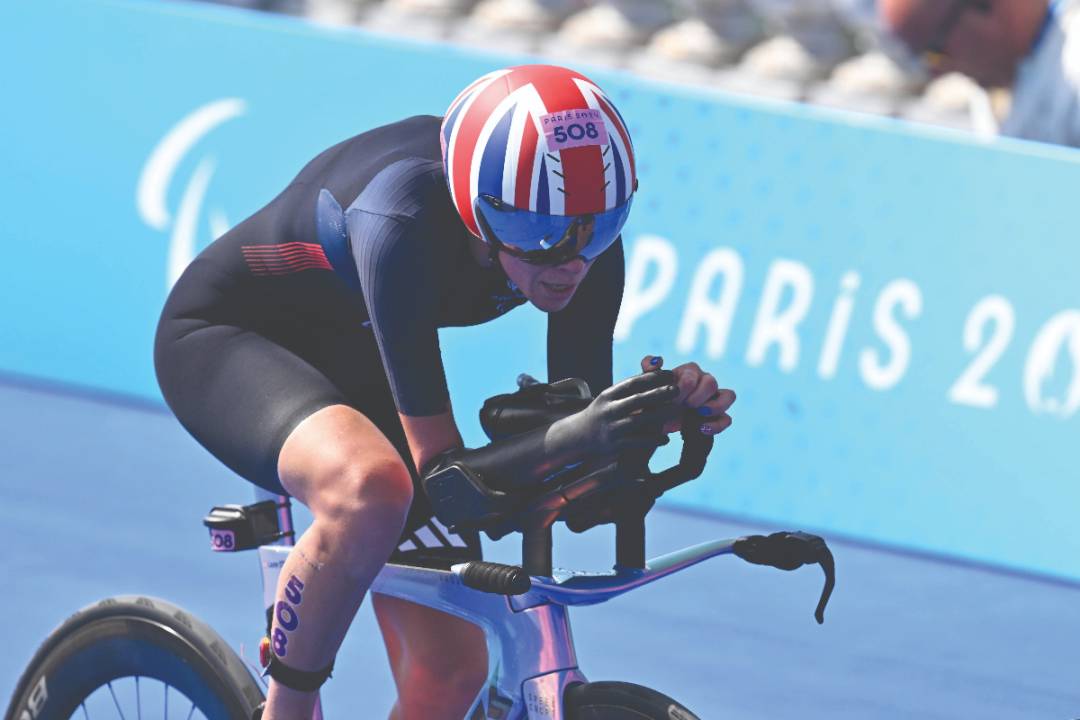
Knowing how to choose the right triathlon aero helmet requires you understand consider aerodynamics, your riding style and the characterstics of your bike leg.
When it comes to aerodynamics, you need to look at the bigger picture.
Rather than going for the most minimal profile possible, designers of the best aero helmets have discovered that with a wider, minimally vented construction it is possible to drive air out and around the shoulders of the rider, giving a greater aerodynamic performance.

And, if the rider stays low and disciplined, that’s when they’ll get the most benefit from wider and longer-tailed helmets.
What if you want a more comfortable ride without compromising on performance? That’s where a different aero helmet shape comes in.
Highly versatile, narrower-profile TT and triathlon helmets with a short-tail design allow you to move more freely but still turn in a good time.
The Ride
The helmet you choose also has a lot to do with the terrain you’ll be encountering on your ride.
If a wider aero helmet achieves the optimum performance in a straight line, a smaller aero helmet is more efficient on a twisty road or when tackling crosswinds.
Better still in these conditions may be the best aero road helmets. On the hottest days, a vented road bike helmet may be optimal.
Not all aero helmets are created equally, of course. When we pitched the supersized Giro Aerohead Mips 2 against the more diminutive Lazer Victor KinetiCore, we found the latter was superior for triathlon racing.
At 20.1oz / 570g, the Aerohead Mips 2 is simply too bulky to wear for the prolonged periods encountered in long-distance triathlon. Given it was designed for shorter Tour de France time-trials, this is unsurprising.
By contrast, the lighter and less bulbous Victor Kineticore is easier on the neck and less likely to harm aerodynamics when you inevitably have to move your head.
Because the drag reduction or increase of aero helmets is so rider-dependent, the answer to the question ‘Do I need an aero helmet for triathlon?’ is best answered in a wind-tunnel. Yes, these testing sessions are expensive, but so are these helmets.
The Fit

A helmet testing session also provides the opportunity to try on multiple helmets for fit.
Performance is important, but comfort is crucial too.
You’ll want to get an idea of how comfortable the padding will be after hours and gauge the efficacy of its ventilation.
Thanks to the wide body construction featured in both types of aero helmet, there’s more room for your ears – so you’ll feel pleasantly protected without feeling claustrophobic.
And with a broad field of vision your eyes will have a greater focus with no unwanted restrictions.
Horses for courses

Before deciding how to choose the right triathlon aero helmet, ask yourself these questions:
What type of course will you tackle: hilly, straight, with possible crosswinds? For lumpy courses in hot weather, some aero experts will question if you need an aero helmet.
What position do you adopt on your bike and can you maintain it for a long distance?
Are you looking for a versatile helmet or a very specialist one?
Now learn more about the differences between road, aero road and TT cycling helmets in our explainer.


 Matt Baird
Editor of Cycling Plus magazine
Matt Baird
Editor of Cycling Plus magazine