My morning workouts were rubbish until I made these changes
Trial and error showed me the importance of fuelling, sleep, location and choosing the correct intensity .

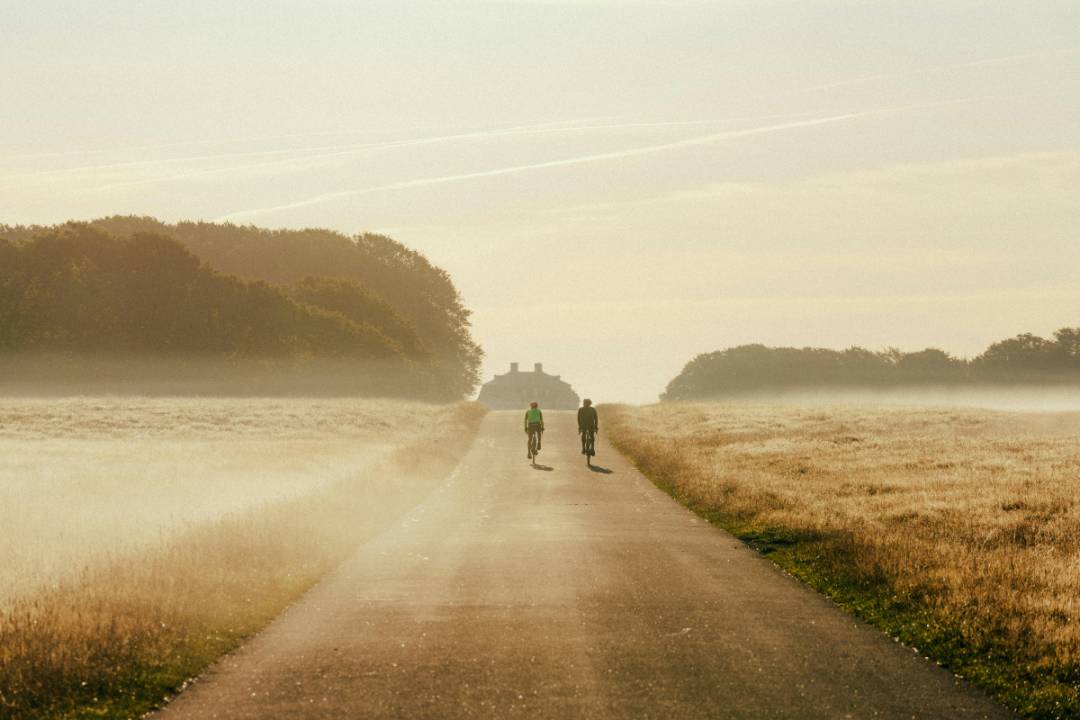
I’m a morning lark when it comes to life and my cycling training, but I haven’t always done morning bike sessions very well.
This was down to a combination of underfuelling, poor sleep, training location and ill-judged intensity.
Having adjusted these things, I can maximise the quality of my pre-work rides and not droop into an exhausted slump in the afternoon.
Personally, ahead of a busy day, before work is often the best time to train – you’ve got it done before work and other commitments can derail your plans.
If you agree, need convincing, or are interested in changing the time of your training, read on to learn from my mistakes.
Carbs, carbs, carbs

When you get up to train at 6am or earlier, the prospect of eating anything is usually unappealing.
As a result, I used to do a lot of fasted training while thinking this would improve my ability to burn fat.
Scientifically, the jury’s out on the benefits of low-carb training. But for me the negatives far outweigh them.
When you exercise before breakfast, your blood sugar is low, so your body has to use fat and stored glycogen for fuel.
While this is fine for easy, short workouts like a gentle jog or spin on the bike, as you work harder for longer you’ll deplete your glycogen reserves.
This limits the quality of your training, raises your perception of effort and puts your body under stress through raised cortisol levels. This may be why fasted training is linked to lower immunity.
I also think that starting the day with a massive calorie deficit, even having refueled after breakfast, led to a big afternoon energy slump.
When I was wearing a Supersapiens continuous glucose monitor, I observed dramatic swings in my estimated blood sugar levels following such low-carb sessions.
Fuel the fire

A far better way to train early in the morning is to have a small, high-carb snack (a slice of toast or banana is ideal) less than 15 minutes beforehand – avoid eating between 15 and 60 minutes before because your insulin levels won’t have stabilised.
The idea is to give your muscles and, as importantly, your brain a little fuel boost so you’re not tapping into stored energy straight away.
Then depending on the duration and intensity of my session, I’ll also fuel it with 60-90g of carbohydrates.
This has been massively beneficial for me. The training feels easier, I can work harder and don’t feel that hungry and certainly not light-headed after. It also maintains my energy levels throughout the day.
The added carb intake before and during the workouts means that to stay in an energy balance I have to eat less for the rest of the day.
In reality, this comes naturally and I actually find it easier to drop weight for target events if I fully fuel my training.
Dial back the intensity

Nonetheless, your glycogen levels are always going to be on the low side before a proper breakfast, so I’ve learnt to tailor my training accordingly.
Zone 2 and tempo riding feels absolutely fine, which is likely because your body can still use a lot of fat at these intensities.
Up to and around threshold is usually okay as long as I’ve had some carbs for dinner the night before.
But at this time in the day, VO2 max intervals are pretty hard to do and anaerobic work is out of the question.
The power numbers seem far harder to hit without a full tank of fuel, so I now schedule them for later in the day.
These are mentally and physically demanding sessions that can deliver huge fitness gains, but only if you keep the quality high. So for me it makes sense to do them at a more optimal time.
Hit the hay

As obvious as it may sound, if you’re waking up earlier than usual to train, you’ll have to go to bed earlier as well.
If not, you’re limiting your body’s ability to recover and get fitter, which is the whole point of the training.
I say this because it’s a mistake I’ve personally made. As a runner at the time, early starts were enabling me to build up volume around a long-hours job.
And yet probably because I knocked an hour off my nightly sleep, I wasn’t getting much faster.
In retrospect, I should have slept more, accepting I’d have less time to train. I can’t say for sure, but I imagine this would have delivered as much if not more fitness benefit.
Favour indoors over outdoors

In light of my last point, time is at a premium for pre-work exercisers. Now I no longer ride to work, I increasingly favour the turbo trainer over an outdoor session, even on lighter mornings.
If I have a two-hour window from getting up to when I need to be back, a 90-minute ride is doable.
Riding outside means I’ll spend about 30 minutes of that time getting to and from decent roads. In Birmingham traffic, this isn’t very productive, not to mention safe or relaxing.
Whereas the turbo cuts that out, so I ride for 90 minutes at the intensities I want. It also reduces pre- and post-ride prep because my road bike is set up the night before.
Staying on the topic of preparation, I also lay out my kit, prepare nutrition, fill bottles and ensure devices are charged in advance.
When I wake up this means there are few obstacles in the way of a great workout.
Find more tips on how winter riding can transform your triathlon bike handling.


 Jack Evans