How to deal with tides when open water swimming
Open water swimming can pose a challenge even for the experienced pool swimmer. John Wood talks us through the best techniques and practices for training and racing with tides.

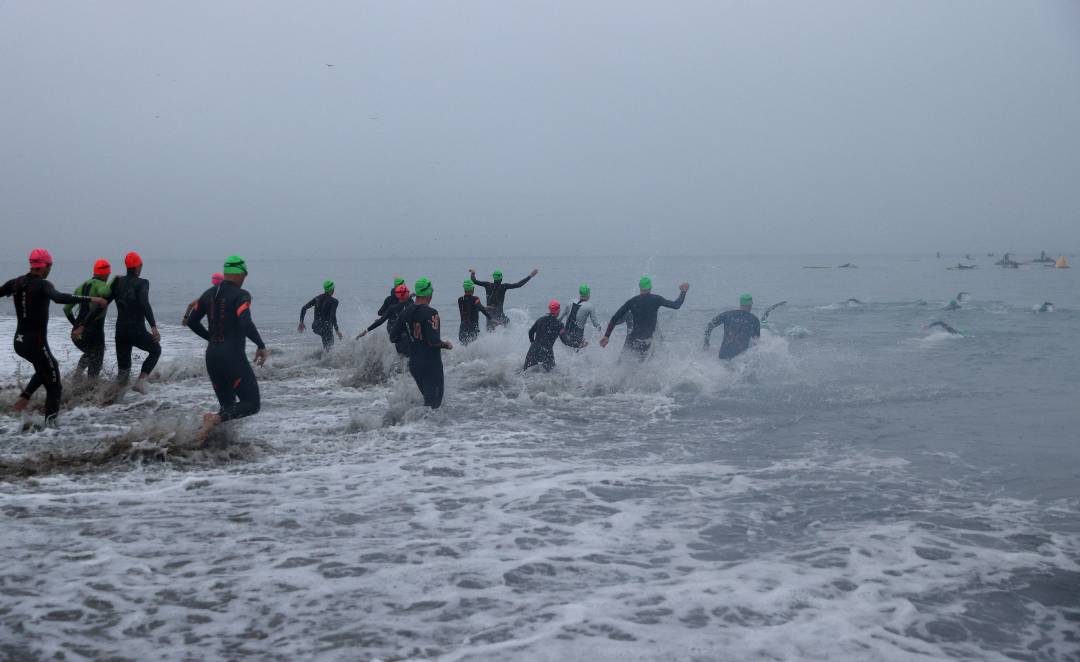
Many of the skills required to tackle tides are focussed on observation and knowing the water around you. Sea swimming can be a completely different ball game to still-water and pool swimming, so ensure you have the right skills in your toolkit to tackle any issues that may arise in the water. Open-water swim expert John Wood talks us through how to deal with tides.
Before you even dip a toe in, stop and notice how the surface moves against something solid. It could be a buoy, a pier leg, a patch of seaweed, or even a moored boat. Watch long enough, and you’ll start to see patterns like the push and pull of the current and how waves rebound off rocks.
This quiet pre-swim ritual does more than calm nerves, it gives you a mental map of what’s happening beneath the surface.
If the water’s drifting left to right, plan your line accordingly. You might start your swim slightly into the current so the tide carries you back on target.
Sea swimming as a beginner

If the idea of open water makes your heart race (and not in a good way), you’re not alone. The sea can appear vast, unpredictable, even a little intimidating. The secret to confidence is exposure, but smart exposure.
Start small. Wade in on calm days, or swim close to shore in shallow water with a buddy. Use bright tow floats so you feel visible and safe (this is a good safety tip for all levels of swimmer).
Sea swimming highlights the benefits of being able to breathe to both sides. This doesn’t necessarily mean bilateral breathing (every three to five strokes), but rather being able to alter which side you are breathing dependant on where waves are breaking and any splashing in the water.
It also means that if you’re planning on swimming parallel to a beach, you can always keep a reference on where you are and make sure you’re not swimming further and further out to sea.
Sight smart to swim strong

Aim to sight as you feel yourself rise on the crest of waves, as this is when you’ll enjoy the best view of where you’re going. You may have to lift your head higher than you might in a lake or other flatter water, so it’s a good idea to kick your legs harder for a moment so you don’t lose momentum as your legs sink.
Because the water is moving around so much compared to more contained swims in areas such as lakes, you really need to keep your arms moving. While we like to get maximum length on our strokes, we definitely don’t want to have dead spots or gliding; this becomes more important in the sea, as any points where we slow down are likely to increase the chance of being pushed in odd directions.
For more open water swimming advice, check out our tips on how to spot currents and stay safe when open-water swimming.


 John Wood
Swim coach
John Wood
Swim coach