Wim Hof Method: what is it and can it help your swimming?
Heard of the Wim Hof Method but don't know what it is? John Wood explains how this breathing method can help with the cold and stress of open-water swimming

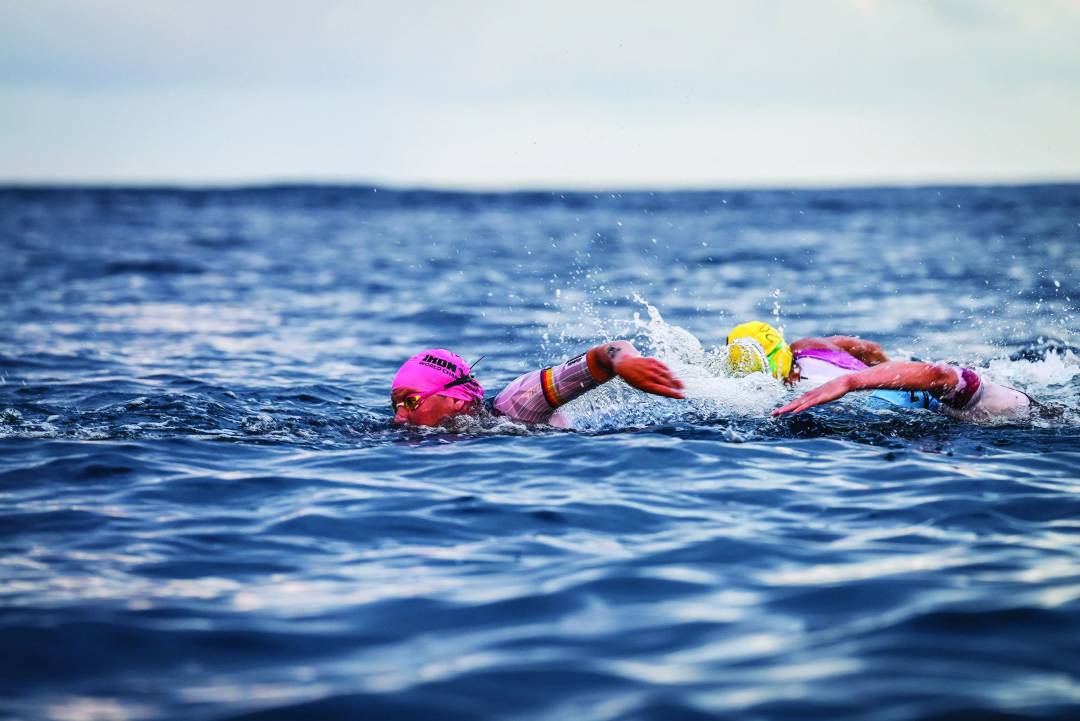
In order to prepare for open-water swimming with or without a triathlon wetsuit, you may want to learn the Wim Hof Method, especially in cold conditions.
The Wim Hof method is a means of learning to control the involuntary nervous system and improve energy and awareness, by employing the practice of breathing exercises and graduated exposure to cold temperatures.
Wim Hof, a Dutch extreme athlete noted for his ability to withstand freezing temperatures, suggested that his breathing method helped lower the primal desire to run from pain and fear – and from the cold. It’s very much a meditative state of being.
There are two main areas of focus to Hof’s methods, the first of which is the cold. Spending time in the cold has considerable potential benefits if done correctly. Secondly comes the breathing; a more mindful, deeper, slower and controlled breathing, according to Hof, heightens blood oxygenation and in turn reduces stress levels.
The Wim Hof method is designed for acclimating and spending time in cold water. So whether you fancy swimming throughout the winter in open water, try the sport of wetsuit-less winter ice swimming, or you’re someone who struggles getting in the lake in May, it may be something that you consider to help improve your awareness and comfort.
What are the stages of the Wim Hof Method?
Wim Hof’s process consists of three main parts.
Breathing exercises

Controlled, deep and fast breathing (as known as controlled hyperventilation) precedes spells of breath retention (holding your breath as you exhale).
After 30 or so deep breaths, hold your breath until you need to breathe again. Then take a large breath, letting your stomach expand and holding for 15 seconds.
This amounts to one round, which you can repeat two to three times.
A word of caution: this process can leave you feeling light-headed and experiencing tingling feet and hands. Hof says these symptoms are harmless and transitory.
According to Hof, these breathing exercises raise the oxygen levels in your blood. Claimed benefits include faster recovery from exercise, improved sleep, better creativity and enhanced focus.
Cold exposure

Exposure to low temperatures is the second part of the Wim Hof Method.
You’d start by taking cold showers before stepping up to ice baths and frigid water immersion.
The goal is to boost your cardiovascular system, lower inflammation, cope with stress and improve circulation.
The aforementioned breathing exercises can help you deal with the shock of the cold, according to Hof.
Commitment and mindset
The third and final part of the Wim Hof Method centre on the dedication, perseverance and determination necessary to master the previous two aspects.
With improved willpower, Hof says you can influence the autonomic nervous system and the innate immune response, previously thought to be beyond our control.
Does the Wim Hof Method work?

The Wim Hof Method has legions of devotees and the Iceman himself tours the world giving talks and workshops. But does it actually work?
In 2024, researchers from the University of Warwick tried to answer this question. Dr Omar Almahayni and Dr Lucy Hammond published a systematic review of eight published trials on the technique.
They found that the most common changes observed in Wim Hof Method practioners were rises in the stress hormone adrenaline and cytokines (anti-inflammatory chemicals), a drop in cytokines (pro inflammatory chemicals). Evidence of better athletic performance was less clear cut.
Almahanyi and Hammond called for additional research into the Wim Hof Method’s impact on stress, inflammation and general health, as did Dr Matthijs Kox. The immunologist from the Radboud University medical centre said that the Wim Hof Method needs to be tested in a randomised control trial of patients with inflammatory conditions. For the moment, he believes the anti-inflammatory effect of the Wim Hof Method is short-lived.
Professor Mike Tipton from the University of Portsmouth’s Extreme Environments Laboratory agrees that the that the efficacy of the Wim Hof Method needs to be compared to other forms of activity. Studies published so far have tended to compare it to inactvity.
Moreover, he underlined the risks associated with cold exposure and questioned whether similar benefits could be derived from safer, more accessible forms of exercise.
Will the Wim Hof Methof improve my swimming?

As outlined above, the lack of quality independent research on the method makes it hard to draw firm conclusions.
If you plan to swim in cold water, it follows that, even when wearing a thermal wetsuit, incremental increases in your exposure to the water (in terms of duration and intensity) will help. The Wim Hof Method could prepare you, but it’s not the only way of doing this.
Evidence that the Wim Hof Method improves your cardiovascular system and respiration is largely anecdotal though, ie not supported by scientific evidence.


 John Wood
Swim coach
John Wood
Swim coach