I swam a mile in icy water – and it’s one of the hardest things I’ve ever done.
With the annual ice swimming championships coming up, here’s a deep dive into the sport and the challenges that Spencer Matthews faces in his Antarctic triathlon attempt.

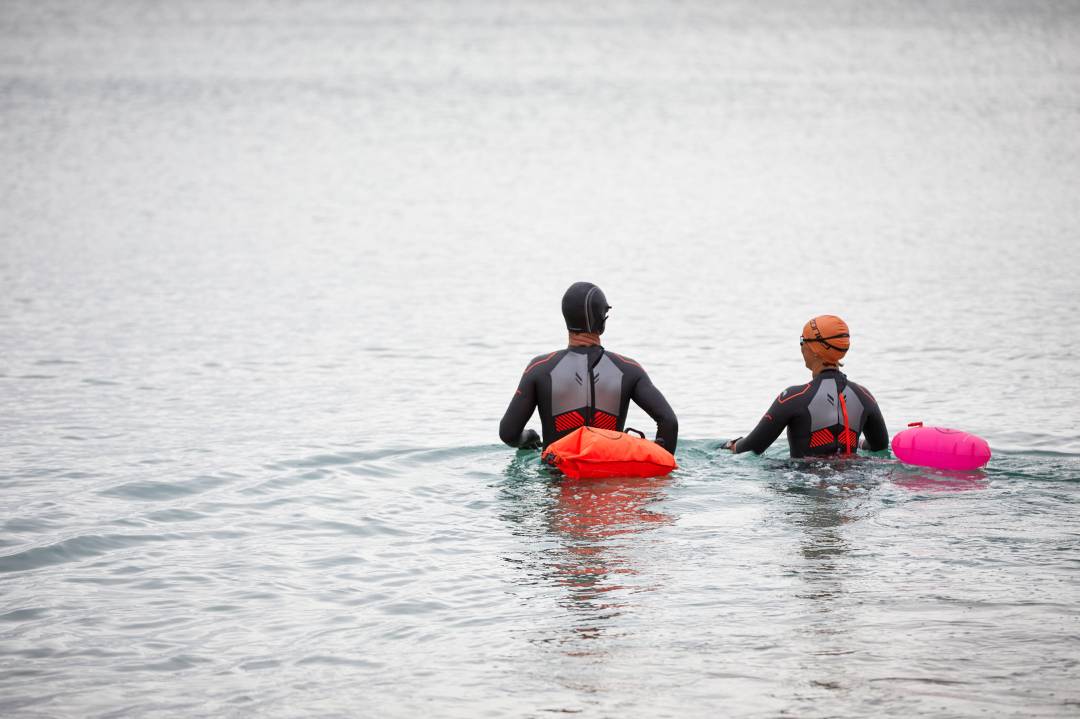
Winter swimming in open water is a sport that demands experience and plenty of respect – and it isn’t for everyone, says open-water swimming coach Helen Webster.
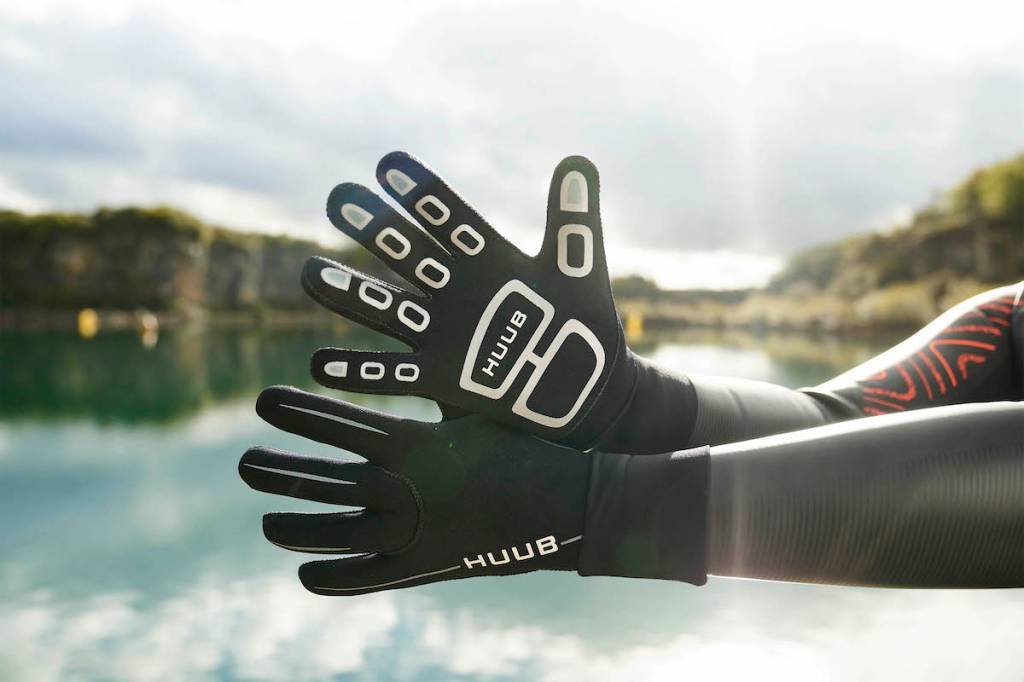
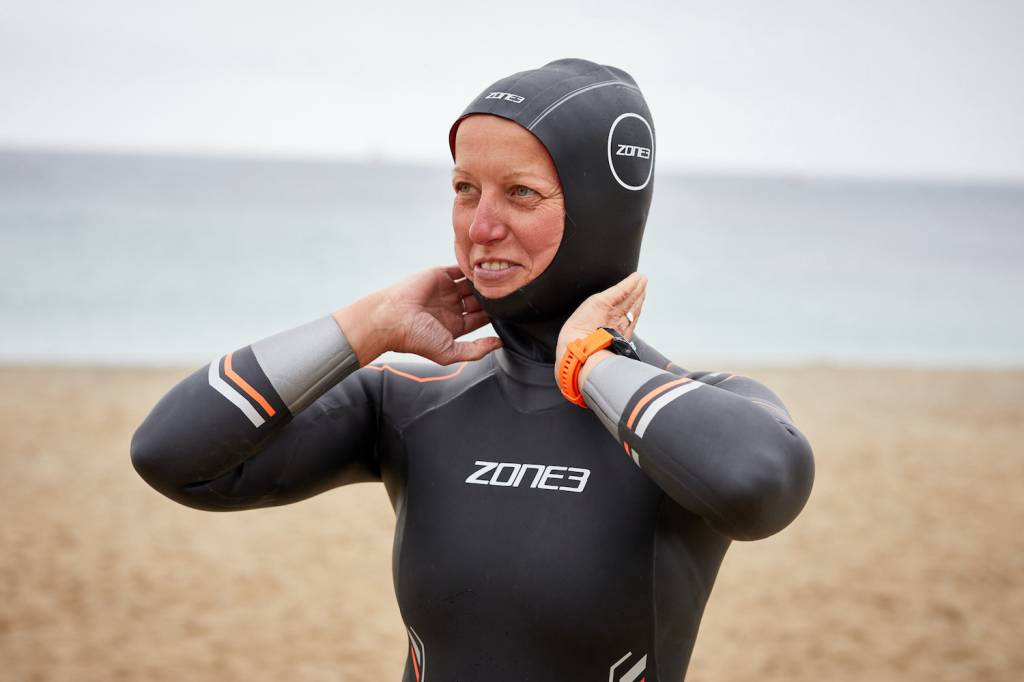
Pulling on my wetsuit, as well as my neoprene gloves, socks and hat and watching the mist rise from the chilly lake, it’s fair to say I was pretty nervous. The challenge? Swimming a mile in water temperatures under 5°C, often referred to as an ‘ice mile’.
A little housekeeping at the top of this article though. It’s important to state that under official guidelines set by the International Ice Swimming Association (IISA) what I was doing didn’t actually qualify as an ‘ice mile’ – and it’s all that neoprene that put me out of being officially ratified.
In order to swim a recognised ice mile, the rules state very clearly that women are only permitted to wear a swimsuit that doesn’t extend below the knees (trunks or jammers for the men), a normal silicone or latex cap and a normal set of swim goggles. By covering myself in every kind of thick insulating fabric I could get my hands on, I definitely wasn’t playing by the rules.
That’s fine though. My neoprene-clad ‘ice mile’ wasn’t to achieve the goal of doing what so many amazing swimmers before me have.
As an open-water swim coach and lifeguard, as well as a 220 writer, I was more keen to see how it felt to swim a mile at those temperatures – but within the parameters of what felt appropriate for me.
I know I don’t enjoy swimming in very cold water without a wetsuit and I know my own limits, plus damage to my fingertips means once temperatures drop below 10°C I’m firmly in neoprene gloves, no exceptions.
What is ice swimming?
With former Made In Chelsea star Spencer Matthews about to attempt an iron-distance triathlon in Antarctica with water temperatures at sub-zero, there’s renewed attention in the media on swimming in very cold water. So let’s start with defining some terms.
For those wondering, ice swimming means swimming in temperatures under 5°C. In the UK we classify water under 15°C as ‘cold water’, under 10°C as ‘very cold water’ and below 5°C as ‘ice swimming’. All this isn’t to say that water above 15°C won’t feel cold though, especially to beginners – if you remember our core body temperature is around 37°C while the average indoor swimming pool is around 28°C, then you can start to understand why open water feels so chilly most of the time.
Below 5°C feels especially brutal though and here our body will stimulate pain receptors as well as temperature receptors. So if you’re reading this as a beginner to open water and colder temperatures, I can’t stress enough here how important it is to start small and seek advice from experienced cold water swimmers and experts.
Also if you have any health conditions, it’s crucial to seek sign-off from your GP before getting into cold water. You can find some advice from the UK’s leading expert in this topic, Professor Mike Tipton, in this article.
So back to ‘ice swimming’. Yes, it is a sport with its own rules and regulations, that brilliant governing body and plenty of competitions you can enter including the annual ‘ice swimming championships’.
What are the ice swimming championships?
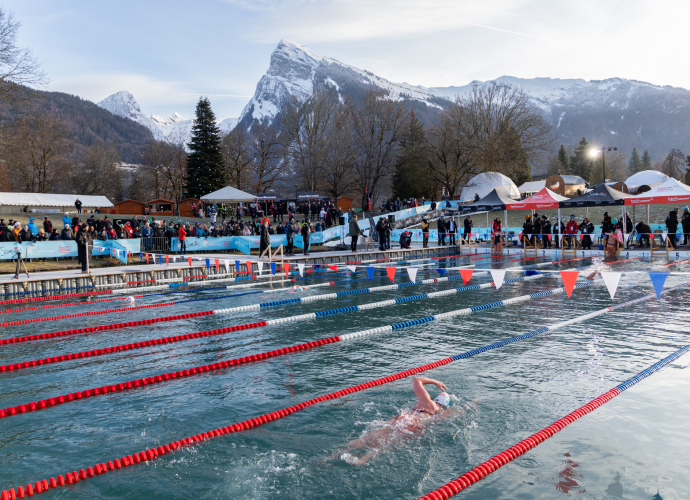
The IISA World Championships are next set to be held in Molveno in Italy over the 3rd to 7th February. There are many events to enter encompassing different distances, a relay option and different strokes.
There are other events all over the world though – some incorporating fun categories too like ‘best swim hat’ (honestly the only cold and icy category I could be in with a shout of winning). I’d really encourage you to visit the IISA website for more information on ice miles, ice swimming championships and the health and safety advice around both.
As well as that Ice Mile, there is also a chart of swimmers who have completed an Extreme Ice Mile (water under 2°C or with certain wind chill conditions) or an Ice Zero swim (water under 1°C) as well as fastest ice mile, long distance ice swims, Arctic swims…. Once you get into swimming in very cold water, it seems there’s a lot to keep you busy.
More events to consider
There’s also the International Winter Swimming Association, which exists to support and foster the love of winter swimming and to develop camaraderie amongst those who come alive when the snow starts to fall and the water becomes somewhat less than tropical.
There are events to enter here too – though not always at quite such cold temperatures (the winter swimming champs in Scotland, for example, is expected to see temperatures of around 7-10°C). Again, no wetsuits are worn but the events are held in a pool and there are distances available from 25m.

Support on hand
Sadly for me though, there are no official IISA categories for people who like to wear a lot of neoprene. That’s fine with me though – I have done short cossie-only swims in very cold water in previous years and it’s always made me feel vulnerable and a bit emotional (and not in a good way). I’m more than happy to watch my warrior-like friends stride into the water in their swimsuits or jammers with more than a touch of awe, while I zip myself into my trusty wetsuit.
As an open water swim coach my absolute mantra is to ‘do what is right for you’ and I live by this. So as I pull my kit on for that neoprene-clad-ice-mile I have no regret. This doesn’t mean I don’t feel apprehensive though. It’s early in the morning and mist is rising from the lake as a weak, pale, winter sun peeks anaemically through the trees.
The thermometer is fluctuating between 4.8°C and 4.9°C (so as close to that magic 5°C as I can get – I’m not daft!) and I have two friends with me on a safety boat for support. I’m not expecting them to need to do anything dramatic as I have good acclimatisation and a lot of experience in cold water and am confident I will be ok – but it’s still wise to have people on hand who know you well and will know what to do if there is a problem in these situations. I will likely need their help once I get out to help strip all my kit off when my hands are numb, too.
Into the water and I do a short warm-up to get used to the temperature before I start to swim. Entering the water gradually yet purposefully I allow a little water inside my wetsuit, drop my shoulders and breathe and relax through the initial biting cold – it’s crucial to avoid cold water shock, so I splash my face and do a little doggie paddle until my breathing has settled and I’m ready to fully immerse my face and swim front crawl.
Feeling the freeze
I would love to tell you that there was a point I really started to enjoy my swim, but the reality is it just felt hard. I find it difficult to make my brain go quiet in very cold water. Some swimmers report that feeling of true euphoria, while for me I’m on hyper-alert, checking in with myself, running through the symptoms of being too cold, constantly wondering how far I’ve swum and if it’s over yet.
There is an upside to this. If you struggle with stress or anxiety (as I do) then there is a wonderful upside to cold water swimming. When you are so focussed on your own body and tuning in to how you are feeling, it’s impossible to worry about anything else. Plus doing something so hard can make you feel like a badass for the rest of the day!
The other good news is that we don’t actually need to spend a lot of time in cold water (so under 15°C) to get the benefits. Professor Mike Tipton shared with us that in fact, a couple of minutes is enough – so think dip, rather than swim – and anything over that is either because you enjoy it (not sure I do) or because you’re training for something specific (the aforementioned ice swimming maybe?).
With my mile coming to an end, I remember the main feeling being of relief, with a side of exuberation to have completed something I knew I would find hard. I also have increased admiration for those swimmers who take part in these kind of events and challenges under the rules and watchful eye of the International Ice Swimming Association.
As for those who go and swim in sub-zero conditions at the Arctic? New level of respect unlocked. Do I ever want to do it though? Absolutely bloomin’ not…


 Helen Webster
Editor, 220 Triathlon
Helen Webster
Editor, 220 Triathlon