Omega-3 is extremely beneficial to endurance athletes: are you eating enough for health and performance?
We're all aware of omega-3 but what are the best sources, what are the benefits for triathletes and how much should you be eating? Kate Percy has all the answers on this all-important fatty acid…

Omega-3 fatty acids, especially those found in fish, are vital nutrients for endurance athletes like runners, cyclists, and triathletes.
Adequate consumption of omega-3 is linked to lowered injury and infection risk, and better exercise recovery and cardiovascular efficiency.
Below sports nutrition cook Kate Percy explains what omega-3 is, what it does, how much we should consume and the best sources to get it from.
What is Omega-3?

Before we get to omega-3, let’s start with fat. Fat is one of the three macronutrients, alongside protein and carbohydrate, that we need to live.
Fat helps the body absorb the fat-soluble vitamins A, D and E.
We need fat for energy, to produce important hormones, for our immune function, healthy skin and nerve function.
The main types of fat are saturated and unsaturated, and indeed most fats and oils contain both in different proportions.
It is recommended that men consume no more than 30g saturated fats, and women no more than 20g a day, and to replace saturated with unsaturated where possible.
These can reduce the risk of heart-related disease, as well as improve immunity levels, mood and brain development and (good news!) sports performance.
That’s where omega-3 comes in. Part of the ‘unsaturated’ family of fats, it is vital for everyday health, whatever our age or level of activity.
There are different types of omega-3 fats, each with a specific chemical structure. ALA (alpha linolenic acid), is found mainly in plant-based foods such as vegetable oils, nuts and seeds. EPA and DHA (eicosapentaenoic and docosahexaenoic acid) are long-chain fats that can be made from ALA in our bodies. These have the most direct health benefits and are found in oily fish.
What does Omega-3 do?
Eating foods high in omega-3’s can help in many ways; from lowering the level of ‘bad’ LDL cholesterol in your blood, helping to prevent heart attacks and strokes to having a positive impact on cognitive function, skin, vision, joints and your bones.
Is Omega-3 important for athletes?
| Benefit | Mechanism | Impact on Athlete |
| Recovery | Reduces cytokines and inflammatory markers | Less muscle soreness (DOMS) |
| Economy | Lowers submaximal heart rate | Less energy expended for your effort |
| Immunity | Supports white blood cell function | Fewer missed training days due to illness |
| Cognition | Enhances neural transmission | Better focus during long, fatiguing races |
For athletes looking to improve performance there is growing research to support the link between omega-3 and sports performance.
The anti-inflammatory properties of EPA and DHA help combat muscle soreness (DOMS) and post-exercise muscle swelling.
They are also linked to benefits such as stimulating muscle growth influencing the fat to muscle ratio in your body and improving recovery of muscles after intense exercise .
Some studies suggest EPA and DHA reduces the demand for oxygen during exercise so our body needs less energy during endurance exercise.
The benefits to your immune system of omega-3 are believed to come from the role EPA and DHA play in making disease-fighting white blood cells and regulating immune responses.
In addition, omega-3 has been found to minimise lean muscle mass loss during spells of inactivity caused by injury.
How much Omega-3 do athletes need?
Good question! There is no recommended daily intake for omega-3, although we are advised to eat 2 portions of oily fish a week (around 140g) to ensure we eat enough.
Should I take a supplement?

Real food is best! It’s preferable to get nutrients from foods rather than supplements, so try to eat your two portions of oily fish per week first.
Supplement use is currently not recommended in healthy adults and children, so talk to your GP before taking them. Omega-3 supplements usually contain vitamin D and A, so it’s important not to take them along with other supplements such as a multivitamin or to take during pregnancy.
What foods are rich in omega-3?

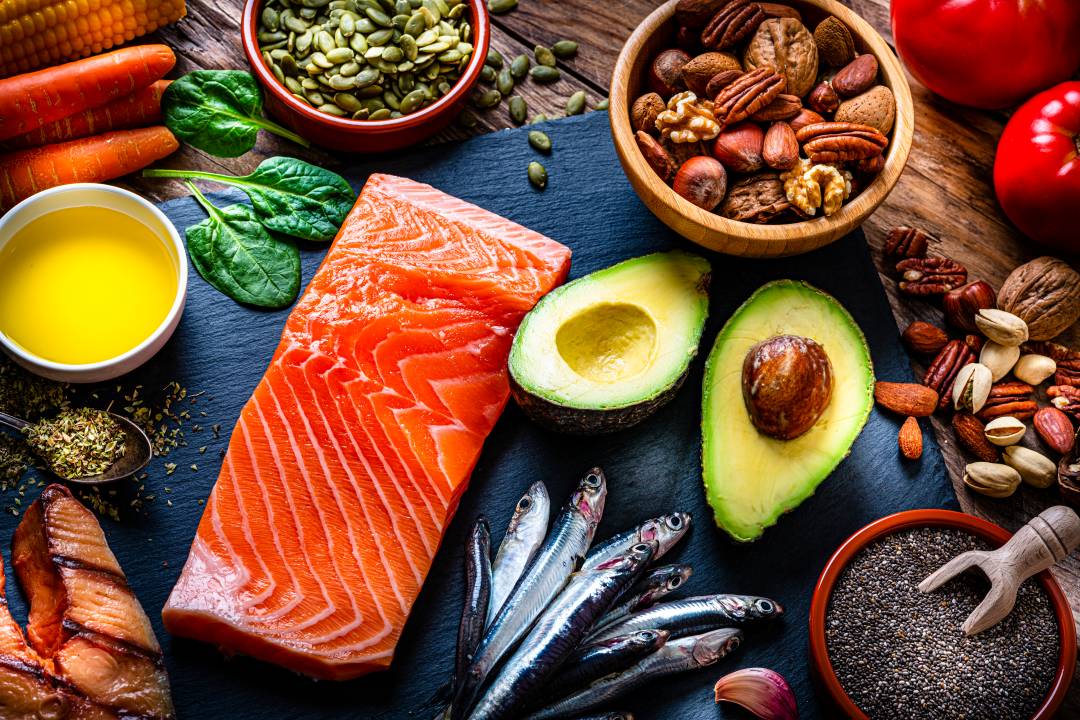
The best source of EPA and DHA is fish, especially oily fish such as mackerel, kippers, pilchards, trout, salmon, herring, crab (fresh), whitebait and sardines.
Vegetable sources of omega-3 (ALA) include seeds, especially flaxseed, pumpkin and chia seeds, and nuts, particularly walnuts, soya and soya products such as tofu, green leafy vegetables, seed oils such as rapeseed oil and eggs enriched with omega-3.
However, making EPA and DHA from ALA (vegetable sources) happens slowly and only small amounts are formed, so fish is better.


 Kate Percy
Sports nutrition cook and author
Kate Percy
Sports nutrition cook and author