How to prevent muscle cramp during exercise
Cramp comes to nearly everyone sooner or later – here are some tried-and-tested remedies.

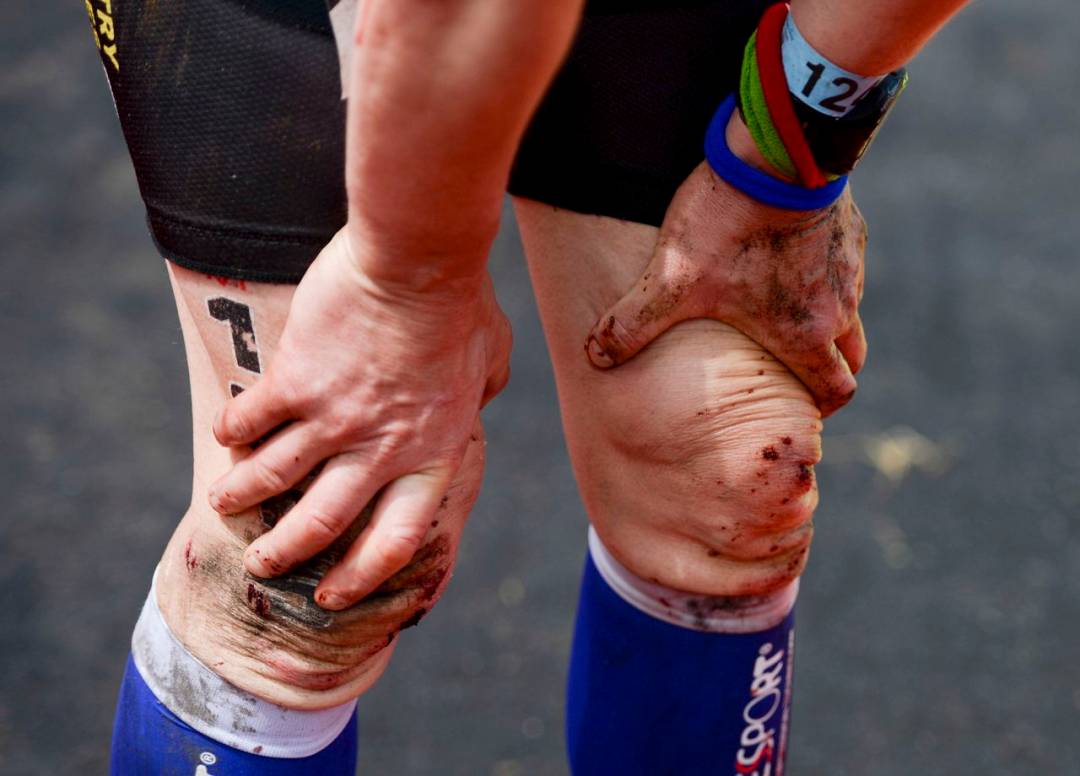
Suffering from seizures during triathlon races and wondering how to prevent muscle cramp during exercise?
Triathlon coach Mark Kleanthous has the answers to this common issue among endurance athletes, and particularly triathletes.
There are believed to be multiple types of exercise-associated muscle cramping (EAMC) and related causes. It can be easier to prevent if you know which type affects you.
What causes exercise-induced muscle cramping?
Everyone is different and certain individual factors increase the chances of cramp occurring exercise: muscle fatigue, electrolyte imbalance, changes in gait, tight muscles and tightness in the surrounding area, and bike fit.

Muscular fatigue
The site of a cramp will often be an area that’s not able to cope with the demands placed on it at that particular time.
Calves commonly cramp because they’re generally one of our weakest muscles. You can address this weak spot with strength training
Muscle weakness and tightness are closely related, so you should also consider stretching exercises like yoga.
Regular massage can also prevent cramp, as will compression clothing worn during training, racing and recovery.
A related cause is overexertion. Athletes often experience cramp in their race rather than in their training because they don’t train at their race-specific pace.
Heat can also play a role in overexertion if you haven’t done enough heat training.

Electrolyte imbalance
Loss of electrolytes in our sweat is linked to increased cramping risk because sodium, which we lose most of, is responsible for muscle contraction.
The thinking goes that low sodium levels can cause uncontrolled muscle contraction, ie cramping.
Pre-race remedies include drinking the correct amount of fluids based on your daily requirements and sweat rate.
Get a sweat test – knowing your sweat rate and salt loss for the duration and intensity is vital in preventing dehydration.
Based on this information, you can ensure your electrolyte drink mix contains adequate sodium to prevent an excessive deficit.
Supplementation, such as magnesium, can restore electrolyte imbalances within 48hrs.
If you’re already taking magnesium tablets, also make sure that your diet contains plenty of naturally-occurring magnesium-rich foods, such as avocado, dark leafy greens, nuts, pumpkin seeds, fish, bananas and dark chocolate.

Gait changes
Over- or understriding as our legs tire can work different muscles to those we are used to, raising our cramping risk.
Ingesting carbohydrate during exercise, through energy gels, can help to produce normal gait patterns when energy levels become low.

Bike fit
During long-distance triathlons, improper bike fit could lead to cramp during the bike leg itself.
Your neck and shoulders might cramp if you can’t support them for hours on end, for example.
Later on, an excessively aggressive position that strains your glutes and hamstrings could provoke cramps in these areas on the run.
As a result, a good triathlon bike fit is comfortable and sustainable on and off the bike.
Anti-cramping takeaways
In a triathlon, the adaption between each discipline places great strain on the muscles, so consider the following remedies to prevent cramps reoccurring when racing:
■ Always allow plenty of time for a pre-race warm-up: 3-5mins in each discipline.
■ During the race, make sure that you’re well-hydrated and increase your electrolyte intake. It’s better to drink little and often than to drink a lot but infrequently.
■ Always build your pace in each discipline – don’t start fast.
Now learn about the most common run injuries and how to prevent them.


 Mark Kleanthous
Mark is an athlete and coach, with 500+ triathlon finishes to his name. He's also the author of 'The Complete Book of Triathlon Training'.
Mark Kleanthous
Mark is an athlete and coach, with 500+ triathlon finishes to his name. He's also the author of 'The Complete Book of Triathlon Training'.