I test cycling kit for a living and these are the products I buy with my own money
Lots of testing experience makes me picky when it comes to my own equipment.

As a cycling tech journalist, I get to test some of the best kit out there. As good as $14,000 road bikes, $4,000 wheelsets, and $300 bib shorts are, they don’t always meet my own needs, not to mention my budget.
When I’m shopping for myself, I use my discernment gleaned from reviewing dozens of bikes and products and riding 15,000km a year to drop down in price yet, as far as possible, not in quality. Often I’ll like the idea if not execution of something I’ve tested, and seek out a more polished alternative, informed by other people’s reviews.
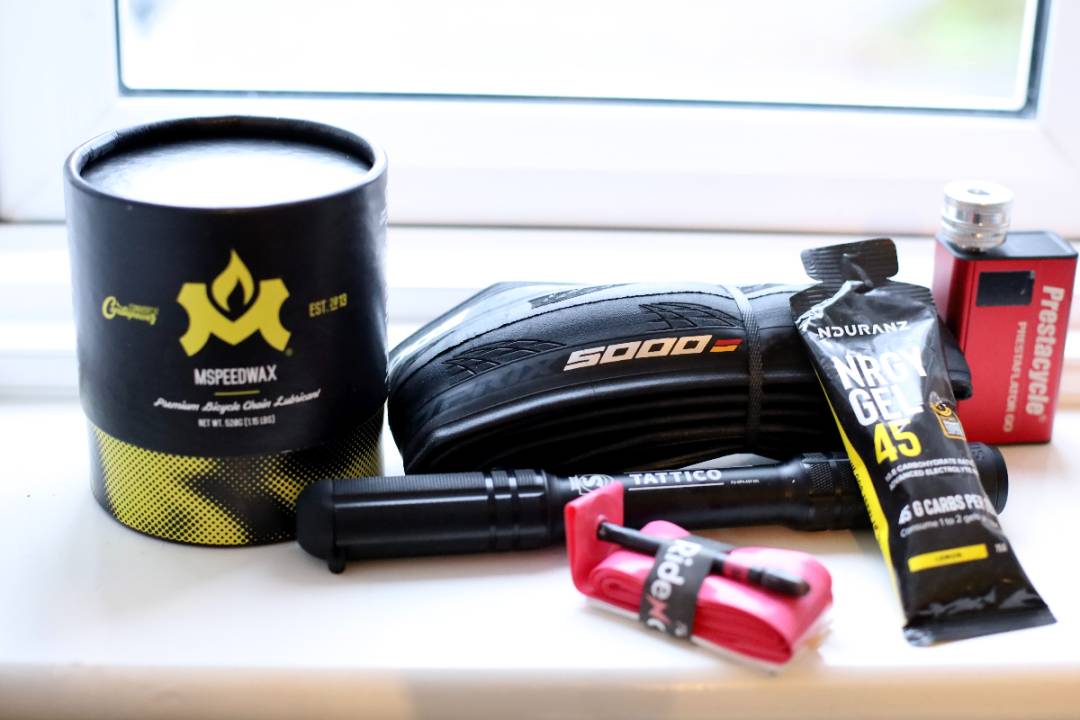
Below you’ll find a selection of gear I buy with my own cash because they work better for me than test samples I’ve received.
Endura Pro SL long leg bib shorts
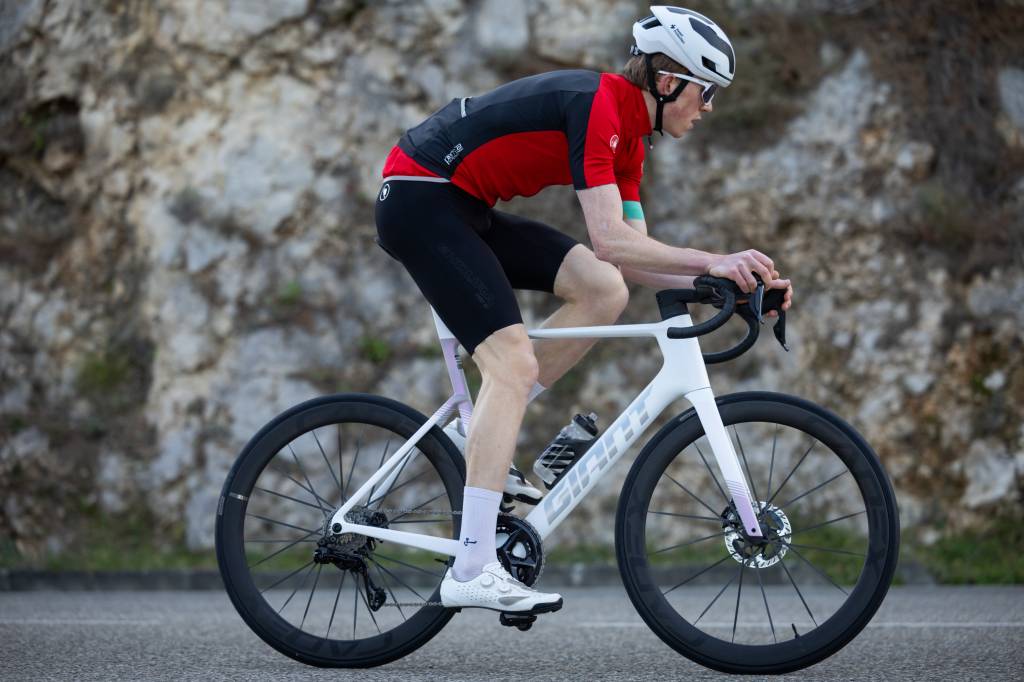
Taller cyclists (I’m 6ft 3in/190cm) are sold short by most cycling bib shorts. Typically their lack of length causes them to ride up to my mid-thigh, à la Thomas Voeckler circa 2011. Lacking the Frenchman’s panache or bronze tan, but not his gurn, my preference for a longer inseam and knee-length cut. This is ever so hard to find in the small and medium sizes I wear.
Rapha and Le Col do a decent job in some of their shorts, but Endura does it best with the long leg version (4cm longer than standard) of its Pro SL bib shorts. I like them so much I own three pairs and give away most of the bib shorts I receive for free. Silicone grippers keep the lazer-cut ends where I want them without causing irritation, the compression is spot-on for a racy but not constrictive fit, the well-positioned, relatively thin chamois shows that pads don’t need to be bulky to be comfortable, and the wide straps sit flat and have never rubbed. What’s more, even at full price, I consider them good value for the quality.
Amid news of Endura’s financial struggles and its relocation from Scotland to London, I hope the brand and especially these bib shorts survive for the sake of fellow lanky rouleurs.
Ride Now TPU inner tubes
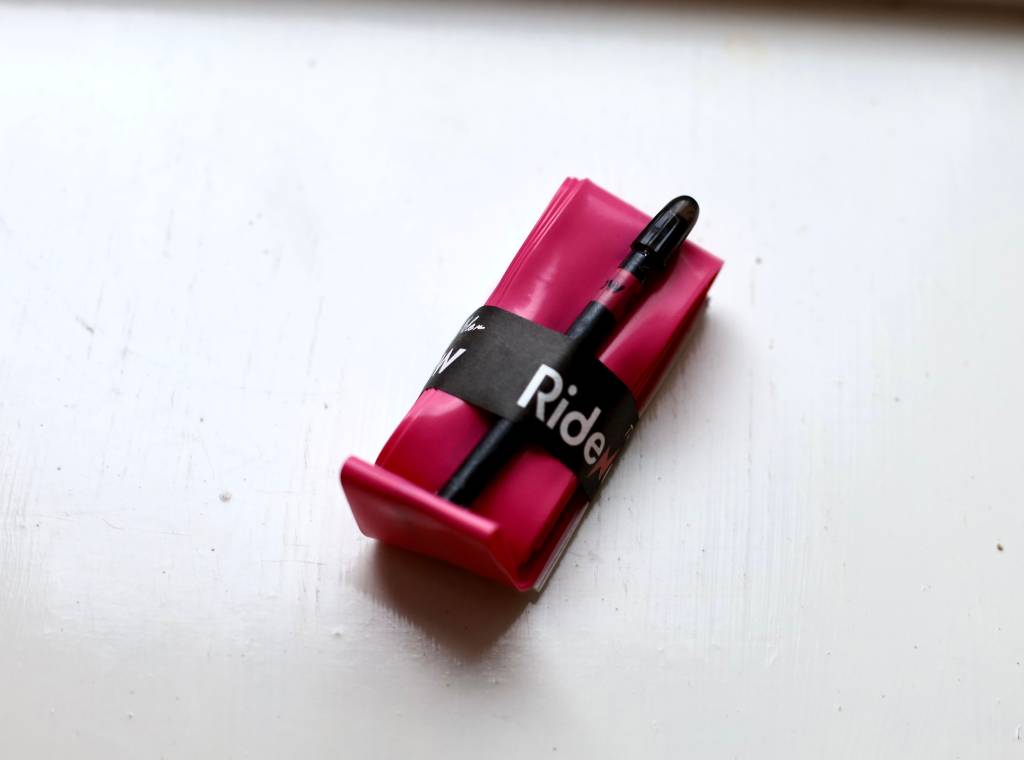
TPU inner tubes are substantially lighter and faster rolling than standard butyl inner tubes, making them a better option for performance and carrying as a spare. Although they roll a little slower than a latex inner tube or a tubeless set up, they hold air better than the former and involve less maintenance than the latter.
Many major tyre and wheel brands now sell TPU inner tubes. I’ve tried most of them and I’m often disappointed by their quality. Being so little and fragile when uninflated, TPU inner tubes can be prone to failure, especially around the valve. Several I’ve used have started to lose air from this area after a few rides.
Somewhat surprisingly given the reputation of some goods sold on AliExpress, I’ve had much more luck with Ride Now tubes bought from the Chinese retailer. The latest versions have reinforced valves, which seems to have improved reliability – last year I covered 4,000 puncture-free kilometres on a set. And as you’d imagine, you can buy a handful for the price of one from mainstream companies.
This tube pictured is available in 45mm, 65mm and 85mm valve lengths to fit your deep-section triathlon wheels, and five different widths from from 18c to 32c.
Nduranz Nrgy Gel 45
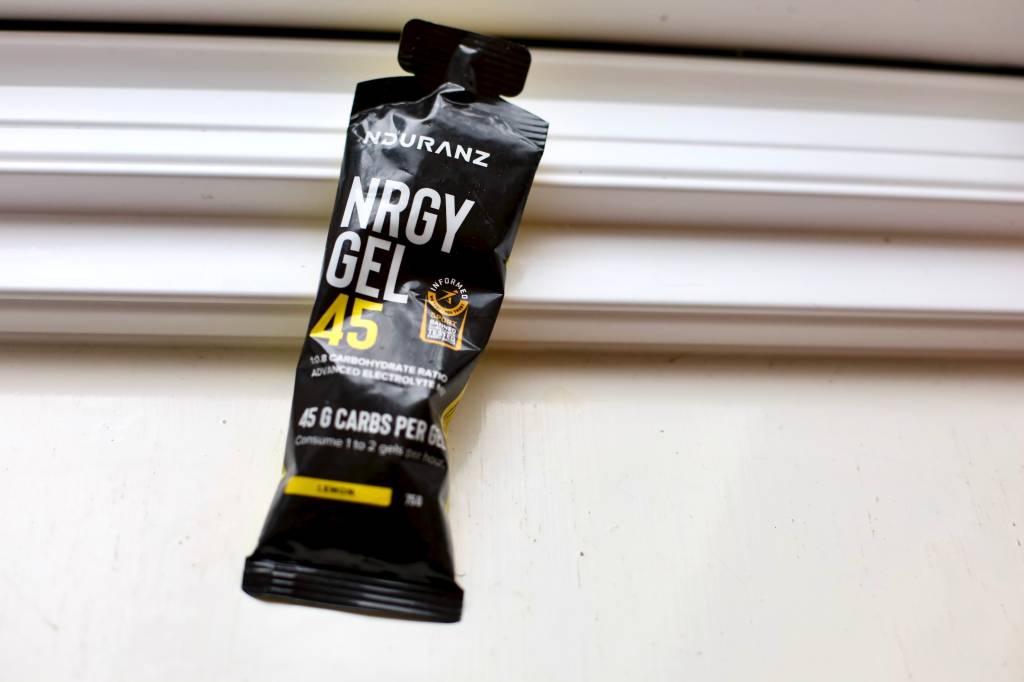
Small energy gels are a waste of time and money in my eyes. When you reach into your jersey pocket, it might as well be for a large hit of carbs. Plus, when you compare grams of carbs per pence/cents, these larger gels are usually better value.
Step forwards the Nduranz Ngrgy Gel 45, with 45g of carbohydrates in a 1:08 glucose to fructose ratio that’s scientifically validated for optimal absorption. The gel also contains an electrolyte mix, but only those you actually lose in your sweat, for example sodium. I can vouch for the good taste of the lemon, orange, and tropical flavours. There’s also strawberry.
On longer and more punchy rides, I’ve slurped down up to two of these an hour without GI issues, and really felt the benefit in terms of reduced fatigue and better recovery. If you’re looking for high carb gels, I’d also recommend SiS BetaFuel and Styrkr’s Gel 50, but being less viscous and easier to open, in my experience, I prefer Nduranz.
Prestacycle Prestaflator Go
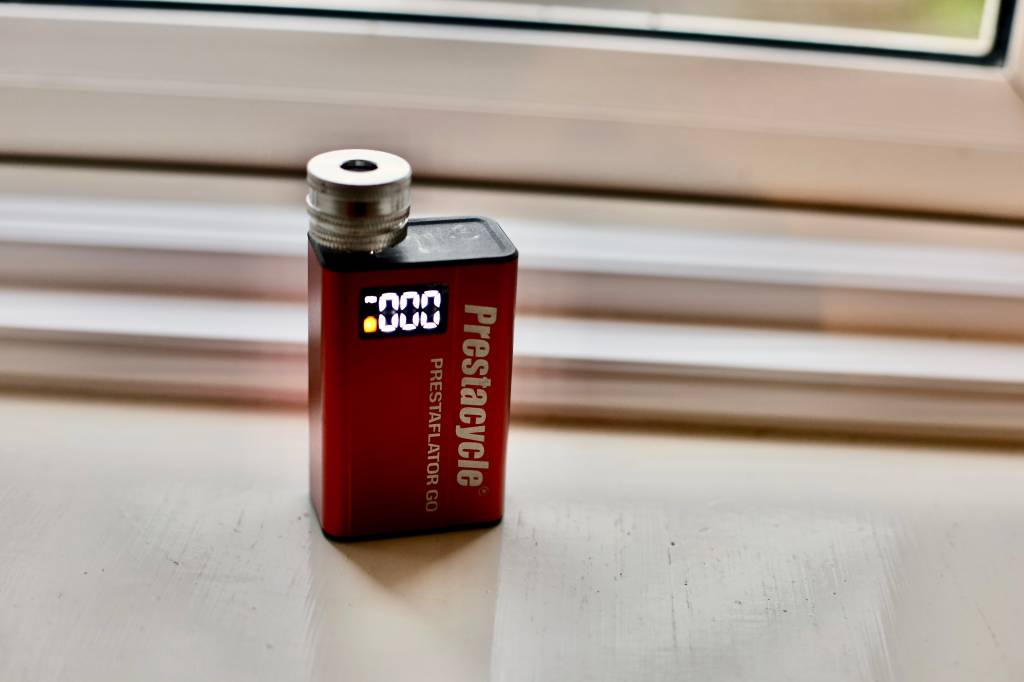
We’re spoilt for choice when it comes to electric bike pumps or inflators these days. First dominated by Fumpa, smaller brands and household names alike have muscled in on the market, increasing competition and quality.
Having tested extremely portable sub-3oz/100g options without a gauge and heavier versions with gauges, I’d recommend going for the latter. A gauge-less electric bike pump is only suitable for emergency road-side reinflation, while a gauge-equipped inflator is more versatile.
For example, I mainly use the Prestacycle Prestaflator Go I bought to set pressure before a ride. By using the pressure preset function, it will stop inflating once it reaches your target pressure. It measures from 4-120psi in one psi increments, and its readings align with my Topeak digital pressure gauge, which is accurate as far as I can tell.
Weighing 5oz/150g, the Prestaflator Go won’t weigh down your jersey pocket or saddle bag. It can inflate many more tyres than a CO2 canister. On a full charge, Prestacycle claims it can fill four 700x28c road tyres from flat to 80psi in 55 seconds, which I have no reason to doubt. Clearly that’s much faster than a hand pump. Unlike some electric inflators, Prestaflator Go doesn’t get too hot, thanks to its aluminum casing, while its alloy head won’t melt TPU inner tubes when used without a hose. It is noisy though, as are many of its competitors.
When you fly with your bike and aren’t allowed to carry CO2 canisters, a larger portable electric bike pump like the Prestaflator Go is ideal. This year I’ve used mine to inflate tyres at my destination and carried it on rides. Back at home, I’m confident enough in it to leave my manual pump behind on shorter rides.
Silca Tattico mini pump
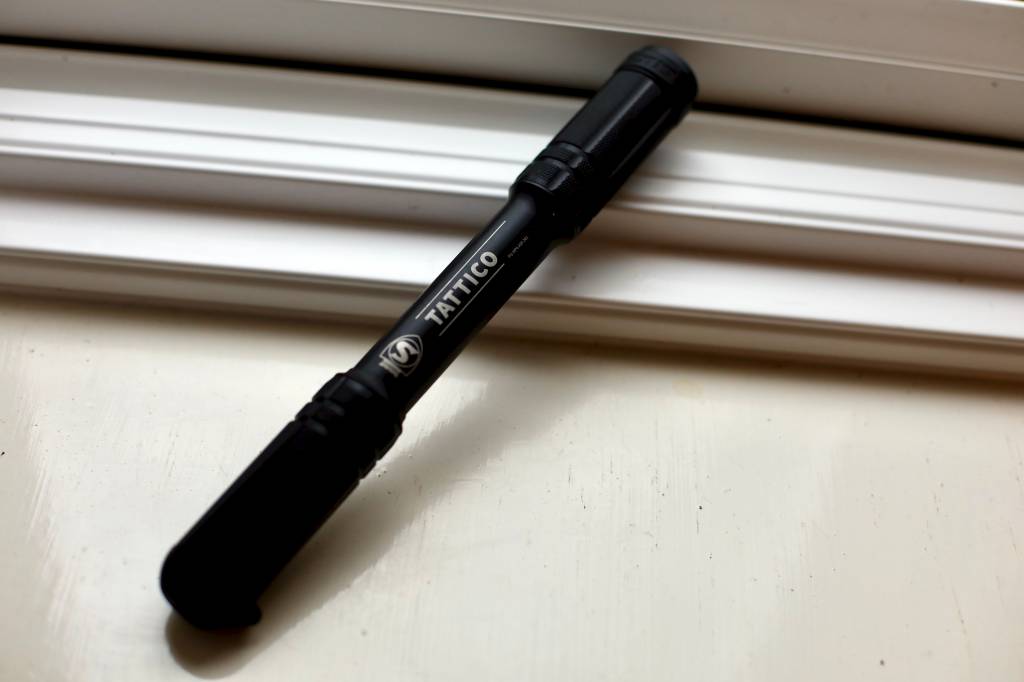
When I carry a hand pump on road and gravel rides, I swear by the Silca Tattico. Measuring 9.4in/24cm long and weighing 97oz/168g, it’s not that ‘mini’. But its inflation speed, usability and build quality justify its size.
Having used and tested more portable pumps for years, I wish I’d switched to the Tattico sooner. After a puncture, it can get a road tyre back to a rideable pressure without tiring your arms or scorching your hands.
The expandable hose keeps your hands away from your wheel spokes and increases leverage. The locking chuck fits securely on to the valve and minimises air escape. Silca supplies a bottle-cage mounting bracket, but I don’t find it too heavy to carry in my jersey pocket. Like most Silca products, the Tattico isn’t cheap, but looks built to last and you can service it yourself.
Continental Grand Prix 5000 clincher tyres
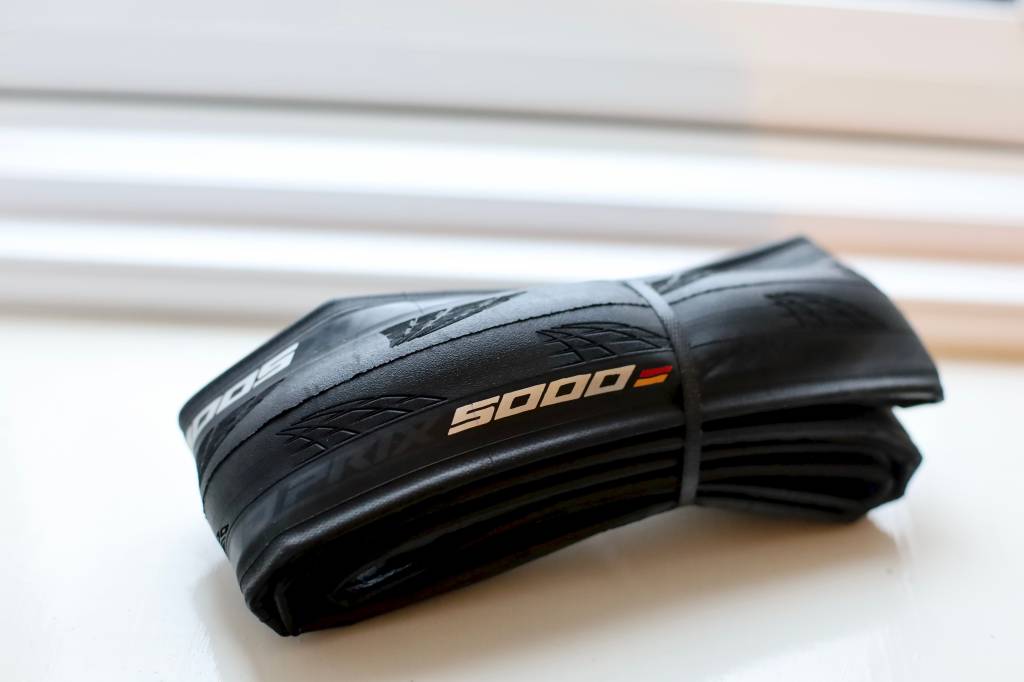
I’ve ridden some of the world’s fastest road bike tyres, such as the Continental Grand Prix 5000 S TR, Vittoria Corsa Pro and Cadex Aero. In 2026, these are almost exclusively tubeless, ie designed to be used with sealant, as opposed to clincher tyres, which only work with inner tubes.
I love these tubeless tyres’ speed, comfort and grip but don’t use them on my own road bike. That’s not for compatibility reasons – these modern options would work with an inner tube on my bike’s rim-brake, clincher wheels. Instead I continue using old-fashioned clincher tyres, with the Continental GP5000 being my favourite.
Because I like optimising my bike for fast riding and time trials, it would make sense to use the tyres brands are developing for WorldTour bike racing. By contrast, innovation into clinchers has stood still for years. Tubeless tyres aren’t without their downsides though. Being optimised to fit securely to a rim when filled with sealant can make them extremely hard to fit with an inner tube. When you puncture on the road or want to switch tyres at home, this is far from ideal.
The cost is less of an issue because once they’ve been out for a while you’ll find them online at a similar price to a quality clincher. For example, Continental’s GP5000 S TR is faster than the clincher GP5000 and only fractionally pricier. Nonetheless, the combination of the clincher and a latex inner tube should cause minimal rolling resistance, while feeling supple and confidence-inspiringly grippy.
Molten Speed Wax
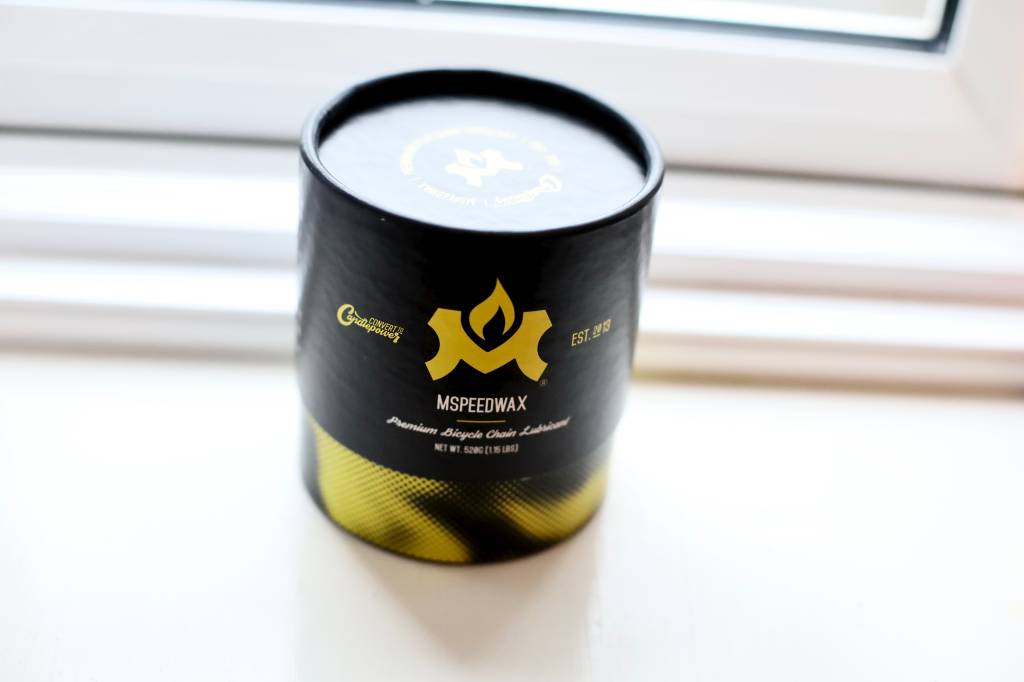
Since dipping my first chain into Molten Speed Wax in 2024, I haven’t looked back. I now run waxed chains on all my road and gravel bikes due to wax’s cleanliness, efficiency and longevity.
For the uninitiated, immersive chain waxing involves taking your chain off the bike and submerging it in hot wax. This lubricates the chain’s rollers, then you hang it to dry before reinstalling. In dry conditions I rewax every 250km to 300km. Efficiency drops off after this point although a waxed chain can last much longer. Contrary to what some people believe, wax works well in the wet, but you need to rewax or top up the chain with wax-based chain lube after drying the chain when you get home.
I don’t find waxing a faff either. The time I expend cleaning the chain before its initial wax (something you need to do with other lubes anyway) and rewaxing in my $10 slow cooker I save in drivetrain cleaning. Wax attracts minimal dirt, so I never have to degrease my drivetrains. A flush of hot water usually does the job. Plus, I like knowing I’m using one of the fastest drivetrain lubricators, saving every last watt, and barely wearing down potentially expensive parts.
When I tested Molten Speed wax, I was so impressed I’ve restocked with my own money countless times. One 250g puck costing $17 lasts my several months, working out far cheaper than replacing a SRAM Red drivetrain more often than necessary.


 Jack Evans