Don’t let swimmer’s ear derail your training

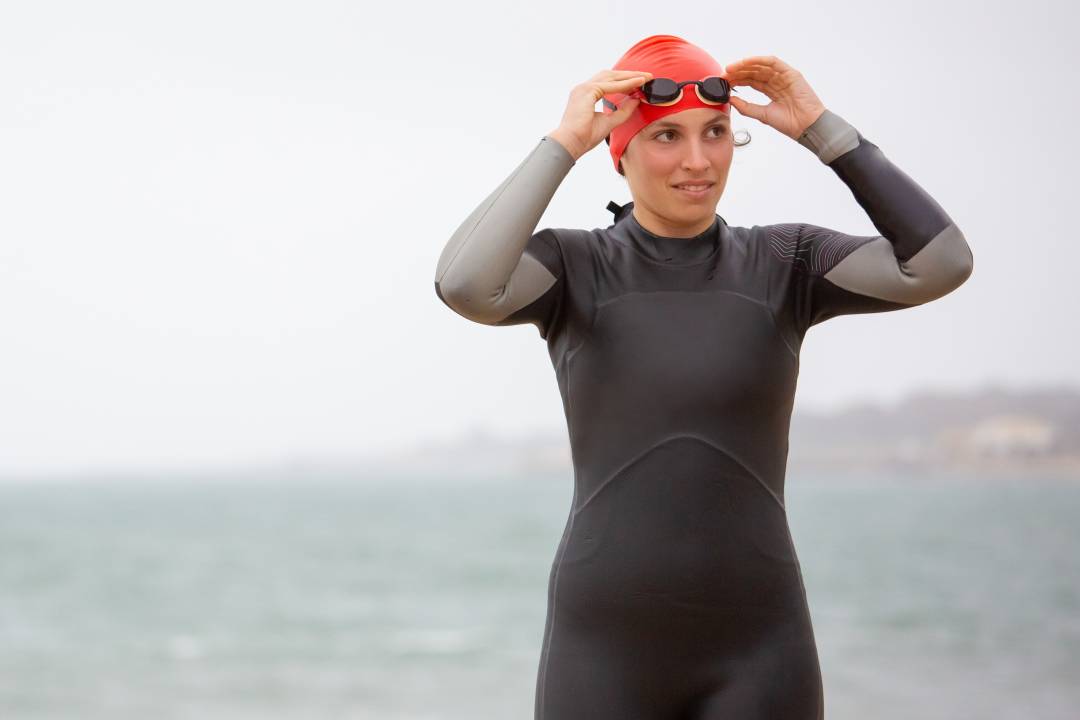
Nothing can mess up your swim training like an ear infection. The good news though? It’s easily avoided – and here’s how.
Sponsored: For triathletes, swim training is all about endurance, efficiency and speed. But one small detail often gets overlooked: your ears. An outer ear infection – commonly known as swimmer’s ear – can quickly derail your training, bringing pain, irritation and time out of the water.
The good news? With a few simple habits, ear care can become just another part of your performance routine.
What is swimmer’s ear?
Swimmer’s ear (otitis externa) is an infection of the outer ear canal. The term ‘otitis’ simply means inflammation of the ear. It typically develops when water becomes trapped in the ear after swimming, showering or sweating, creating a warm, moist environment where bacteria thrive.
Who’s at risk?
If you’re regularly in the pool or open water, you’re more susceptible. While water often drains naturally trapped moisture can weaken the ear’s protective wax barrier, allowing bacteria to grow.
It’s not just swimming either. Sweat from training sessions or moisture trapped by earbuds can also contribute and even scratching the ear when it feels itchy or blocked can damage delicate skin and increase infection risk.
Signs to watch for
Look out for the following ear symptoms:
• Itching, irritation or inflammation in the ear canal
• Redness and swelling
• Pain and tenderness
• Watery or pus-like discharge
• A feeling of fullness or pressure
Prevention tips for triathletes
Building a few simple habits into your routine can help reduce your risk of getting swimmer’s ear:
• Wear a swim cap and ear plugs to limit water entry
• Shower after swimming and dry your ears thoroughly
• Tilt your head side to side to help drain water
• Avoid excess wax build-up, which can trap bacteria
Managing symptoms
If swimmer’s ear develops, treat it as soon as you can. Over-the-counter pain relief such as paracetamol or ibuprofen can help.
You should also avoid swimming until the infection clears and keep the affected ear dry when showering. Resist the urge to insert anything into the ear – including cotton buds – and avoid earbuds or ear plugs during this time. Staying out of the water may be frustrating, but it will support faster recovery.

Treatment support with EarCalm Spray
For symptom relief and treatment, your pharmacist can recommend suitable options. EarCalm Spray is used for the treatment of minor infections of the outer ear. It contains acetic acid, an antibacterial ingredient that targets the source of infection to offer relief from symptoms such as pain and inflammation. EarCalm Spray is available without prescription from pharmacies. Always read the label.
Find out more: earcalm.co.uk


 Helen Webster
Editor, 220 Triathlon
Helen Webster
Editor, 220 Triathlon