Challenge Roth is triathlon’s unicorn – and these are the reasons why

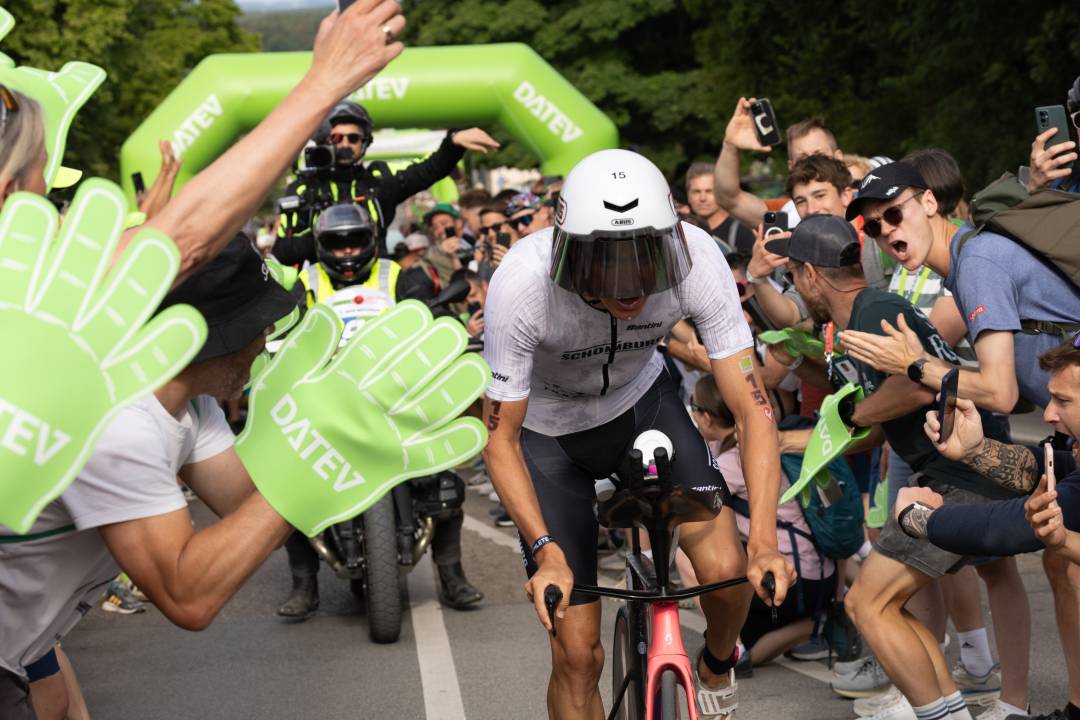
Despite increased competition and a changing landscape in triathlon, the lure of Challenge Roth, the world’s best-supported long-distance race, remains undeniable.
Following his race debut at Challenge Roth, former Olympic and world champion Kristian Blummenfelt described pedalling up Solarer Berg, cheers reverberating around his aero helmet so loudly he was struggling to think, as an experience every triathlete should enjoy once.
Outside the world of triathlon, remarking on the uniqueness of a short hill climb in Bavaria, near Hilpoltstein and approximately 30km south of Nuremberg, would be unremarkable. For multisporters, it has the ability to bring goose pimples to rival any moment on a bumper weekend of sport, perhaps even including England’s seismic World Cup triumph in Mexico City just a few hours later.
Triathlon’s unicorn
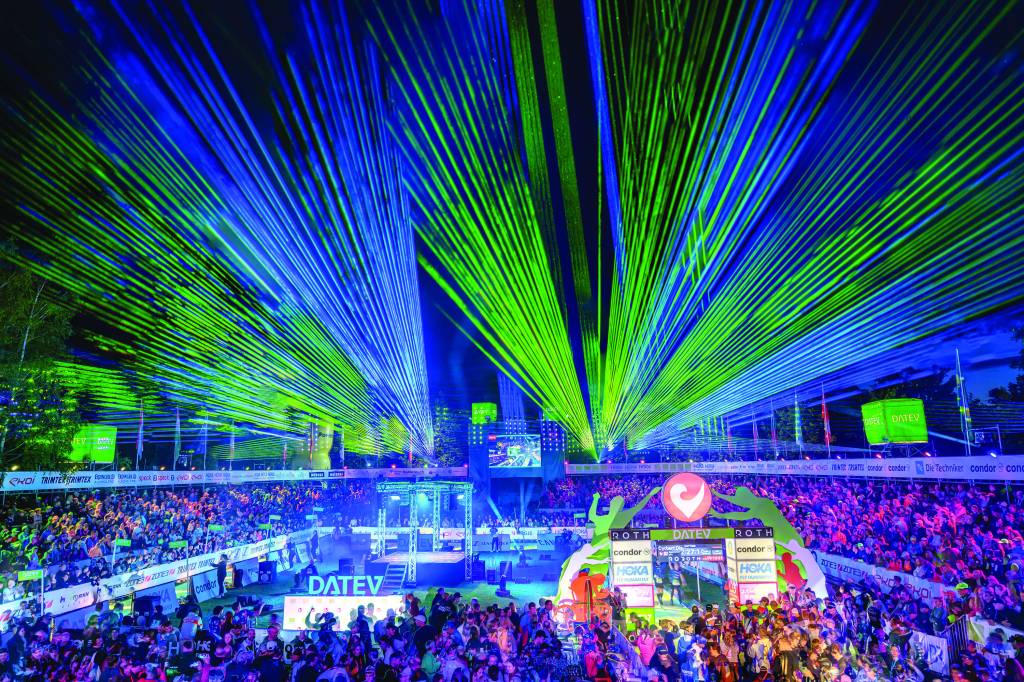
Challenge Roth remains the sport’s unicorn. In an era when independent races have been swallowed by global brands or quietly disappeared altogether, the organisers, under the wily stewardship of the Walchshöfer family – and with the support of the entire community – continue to produce something remarkable.
It hasn’t merely survived as a race; it has flourished. On paper, the ingredients shouldn’t be unique, yet Roth’s blueprint is unmatched. A fast course set up for breaking records, a carefully curated professional field, and an attention to detail that turns the week into a festival, replete with dirndls and lederhosen, while on race day the Erdinger-filled steins invariably become beer showers.
While its prize money is low in comparison with Ironman, appearance fees make sure it attracts the sport’s marquee names year after year – for 2026 it was Sam Laidlow, Blummenfelt, Kat Matthews and the late addition of Lucy Charles-Barclay to the start list resulting in thrilling action in both the men’s and the women’s races. Its independence allows it to operate this way.
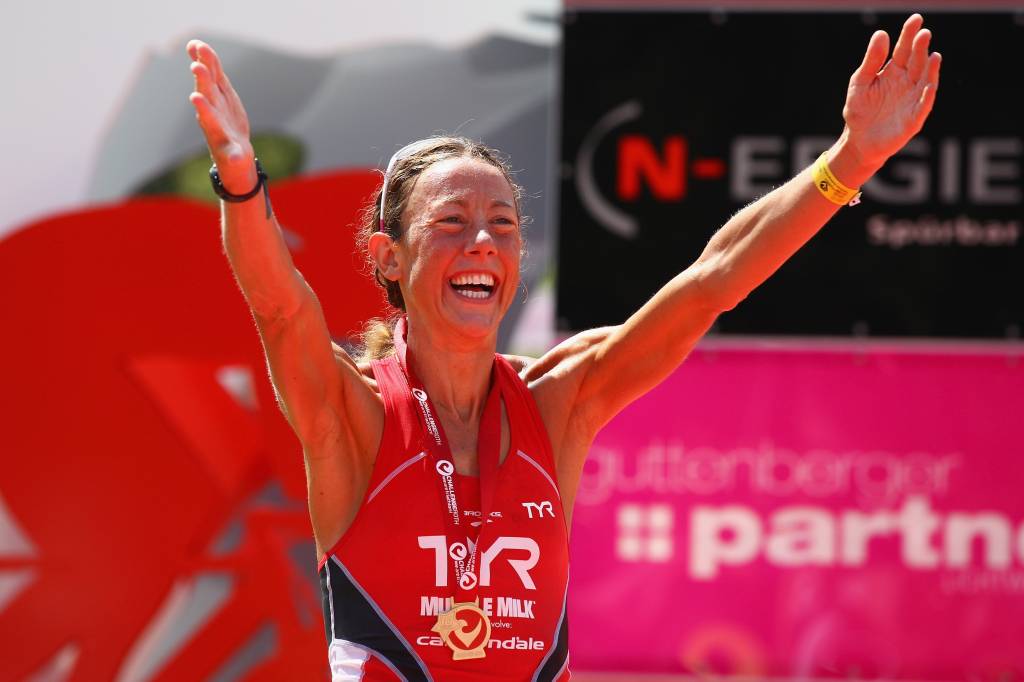
It also has history and tradition, for which the clock has an imperative role. Germany’s Lothar Leder became the first athlete to break eight hours for the distance there in 1996. Chrissie Wellington redefined what women could achieve over long-course racing. Andreas Raelert, Jan Frodeno, Daniela Ryf, Anne Haug and Magnus Ditlev have all produced landmark performances on Bavarian roads.
Laidlow lowered the men’s record again this year, with 7:21:04 registering as an iron-distance world best, and anticipation is heightened as the women’s finishing times edge closer to the eight-hour barrier. Whether it’s an overall world best, a marathon split or simply another extraordinary duel, Roth has become synonymous with performances that move the sport forward.
Defining the magic
But records alone don’t explain Roth. The real magic lies in the people lining the roads. Ask anyone who has raced or spectated at Roth and the talk will land on the atmosphere, the volunteers, the noise and the feeling that the entire region has embraced the event for a weekend.
It’s a reputation earned over decades, and one reason Roth has remained so resilient while the long-distance landscape around it has evolved.
Ironman continues to dominate globally, and the arrival of the Ironman Pro Series in 2024, complete with lucrative six-figure season bonuses, has reshaped athletes’ calendars. It would have been understandable had Roth’s professional field lost some of its lustre. Instead, the world’s best keep coming, adjusting their schedules and taking risks with their fitness because Roth still represents something different.
That difference is difficult to quantify. It isn’t simply prize money, appearance fees or world-best performances. It’s the sense that, for one weekend, the sport gathers in a place that remembers what made long-distance triathlon special in the first place.


 Helen Webster
Editor, 220 Triathlon
Helen Webster
Editor, 220 Triathlon