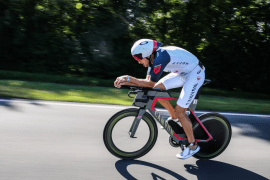
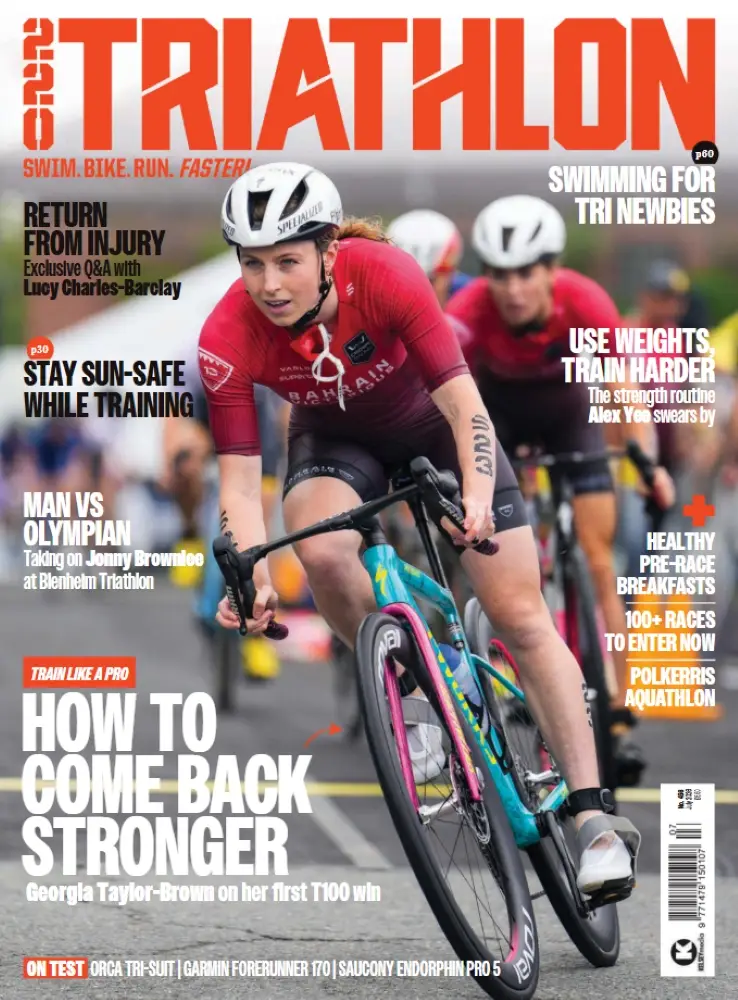
What are the best tri-suits of 2026? We’ve tested the best suits on the market for your next triathlon
Need a new triathlon suit? Here's a comprehensive guide to 11 of the best tri-suits on the market for men and women, all independently reviewed by our experts.


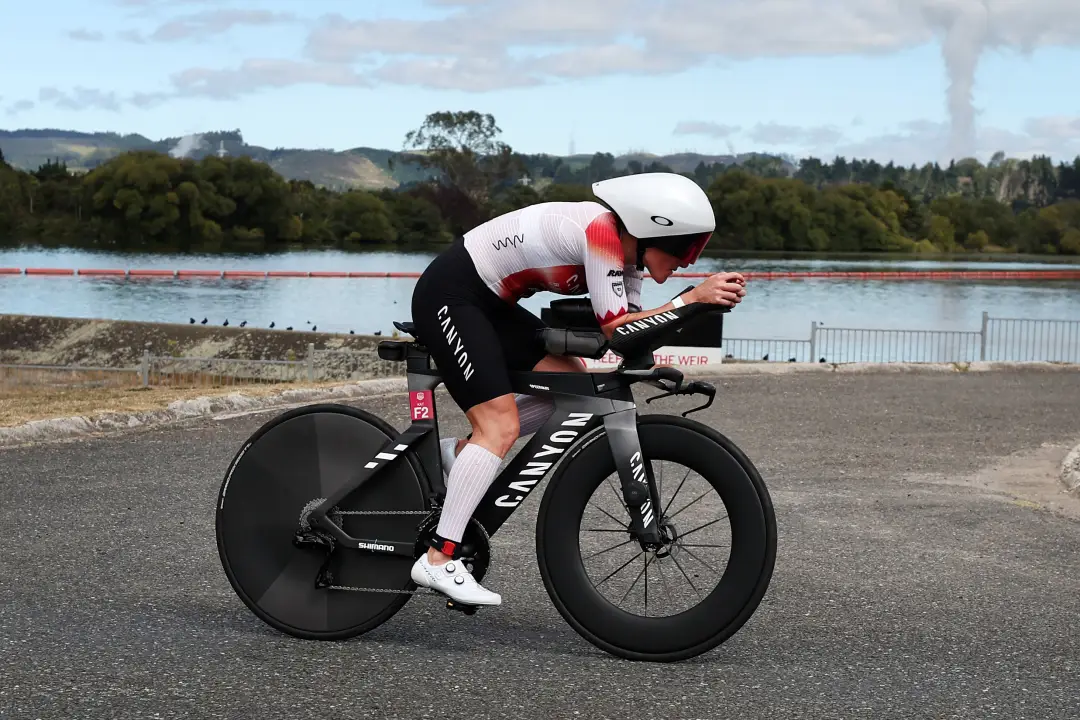
As the only bit of apparel that’s with you for every step of your race, the tri-suit (also called a triathlon suit) is a fundamental piece of triathlon gear. A tri-suit is a one-piece outfit designed for all three triathlon disciplines – swim, bike, and run—so you won’t need to change during the race.
With quick-drying fabric, rear padding, and clever features like zippers and rear pockets, it’s built for comfort, speed, and efficiency. Here at 220 Triathlon, we practically live in our tr-suits come race season. So read on for our guide to the best tri-suits on the market, including top options from Zone3, Huub, Orca, and Tri-Fit. Whether you’re racing a sprint or Ironman, on a budget, or looking for aerodynamic gains, we’ve tested the suit for you. Let’s get into it…
Why you can trust 220 Triathlon
Our team of experts rigorously tests each product and provides honest, unbiased reviews to help you make informed decisions. For more details, see how we rate and test products.
Best tri-suits at a glance
The Tri-Fit Evo Next Gen (buy) is unbelievably comfortable, supportive, and well-designed for a range of distances.
The Zone3 Aeroforce X II Short Sleeve Tri Suit (buy) is an excellent choice for aero racing up to half-Ironman distances.
Slick, stylish, and good value, the Castelli Core (buy) tri-suit is a winning pick for sprint, Olympic, and 70.3 racing.
The Bornbound Skärvatten Pro LD (buy) is primed for long-distance comfort, looks, aero construction and racing features. Both the female and male versions scored very highly with our testers.
The Zone3 Activate+ Short Sleeve (buy) is secure and comfortable to race in, with some trickle-down tech and nice materials at an affordable price point.
The Tri-Fit Vanguard (buy) is a super comfortable and functional tri-suit, paired with a sleek, female-specific design and affordable price-tag.
The Huub Pinnacle (buy) scored a huge 93% from our male tester thanks to its top-of-the-range features and high comfort, plus impressive aero credentials.
The Tri-Fit Vortex (buy) is packed with tech to help you deal with the heat, including an ice pocket, ventilation ports, lightweight material and UPF protection.
Added to its women-specific design, the Trigirl Star Tri-Suit (buy) is made from recycled materials in the EU by properly paid workers.
The Stolen Goat Ibex Advanced (buy) is a fun and bold tri-suit, with flexible material and race-ready features.
The Orca Athlex Aero Race Suit 2 (buy) is a brilliant suit that’s speedy yet supportive and at a good price.
Best tri-suits tested for men and women
Best overall tri-suit

1. Tri-Fit Evo Next Gen
220 Triathlon Verdict
A classy contender with silky-smooth fabrics and well-crafted tri flourishes.
Pros
- Excellent fabrics
- Very comfortable
- Breakaway zipper
Cons
- You may want more padding for Ironman
| Specifications | Tri-Fit Evo Next Gen |
|---|---|
| Pockets | 1 with 2 entry points |
| Breakaway zip | Yes |
| Sizes | Men’s: S-XXL | Women’s: XS-XL |
| Chamois | Medium support |
Tri-Fit’s debut Evo suit was just a couple of tweaks away from near maximum marks when I first tested it in 2019, and the acclaim keeps flowing with the Evo Next Gen into 2026. The suit builds on what made the Evo so good, the combo of Italian and German fabrics providing a silky-smooth internal experience and aerodynamic ribbed outer, with smartly-placed underarm mesh vents and superior leg grippers, adding to the winning composition.
The Next Gen again utilises the floating back pocket trick, which stops the pockets pulling on the suit when loaded, and yet there are swim benefits thanks to the side entry points. That said, stuffing gels into the stealthy hip pockets in T1 at speed is tricky. The pad is a reliable one and the finishing quality has been improved, but some might want more padding for Ironman. It features a great full-length zipper and garage, though.
Best wind tunnel tested suit

2. Zone3 Aeroforce X II Short Sleeve Tri Suit
220 Triathlon verdict
We’d recommend this aerodynamic suit for Olympic-distance and no longer than 70.3 racing.
Pros
- Material performs incredibly well
- Performed well in the wind tunnel
Cons
- Chamois slightly minimal for long-course
| Specifications | Zone3 Aeroforce X II Short Sleeve Tri Suit |
|---|---|
| Pockets | 2 |
| Breakaway zip | No |
| Sizes | Men's: XS – XL | Women's: XS-XL |
| Chamois | Minimal |
This new launch from Zone3 comes with futuristic graphics to match the tech used in its construction. A lot of aero development has gone into this suit and it shows, with dimpled sleeves, a textured fabric on the legs and the brand’s Aero Soft-Touch material on the front. Those aero credentials bore fruit in the wind tunnel, too, with the Aeroforce X II saving 48secs over our baseline suit when tested at 19mph /30km/h over 25mi/40km. It cuts through the water well, too, with noticeable beading up on the fabric’s surface.
I wasn’t such a big fan of the lack of cutaway zip, which makes toilet breaks a trickier affair, while the zip guard also wasn’t quite as comfortable or effective as we’d like. This mid-pack tester found the chamois too minimal for long-course racing, but elsewhere we were a fan of the flexibility on offer.
Read my full Zone3 Aeroforce X II review for more info
Best value tri-suit

3. Castelli Core
220 Triathlon Verdict
Slick, stylish, and good value. A winner for sprint, Olympic, and 70.3 racing.
Pros
- High-quality materials and fit
- Long-distance comfort
- Thoughtful features
Cons
- Sizing can be tricky
| Specifications | Castelli Core |
|---|---|
| Pockets | 2 |
| Breakaway zip | No |
| Sizes | Men's: XS-3XL | Women's: XS-XL |
| Chamois | Long-distance padding |
Castelli, better known for cycling, proves its triathlon credentials with the Core tri-suit—an impressive alternative to its premium PR 2 Speed Suit. With an RRP of $180/£170, the Core delivers high-end comfort and construction with silky fabric, raw-cut sleeves, and GIRO4 leg grippers. The fit is close but forgiving, and sizing up is advised if you’re in between sizes.
The KISS Tri chamois is ideal for long-distance rides and remains comfortable on the run. A ¾ YKK front zip and spacious, drag-free rear pockets add to its long-course appeal. Overall, it’s a top-tier suit for both short- and middle-distance racing.
Best tri-suit for Ironman

4. Bornbound Skärvatten Pro LD
220 Triathlon Verdict
Aero, comfy, stylish and with race-day friendly features. A stellar, colourful suit that we think looks great, too.
Pros
- Quality design offers comfort
- Looks aero
- Eco construction
- Stylish
- Great pad
Cons
- Nothing
| Specifications | Bornbound Skärvatten Pro LD |
|---|---|
| Pockets | 2 |
| Breakaway zip | Yes |
| Sizes | Men's XS-2XL | Women's XS-XL |
| Chamois | Well padded |
Out of the box, the Skärvatten Pro LD offers far more than its good looks, with the lengthy legs and dimpled, laser-cut arm sleeves offering aero potential. The woven polyamide material sits softly on the skin, with further comfort coming from the full-length zipper and flatlock seam construction. It’s silky smooth on the swim – just like a second skin, dries fast on the bike and feels light on the run due to the breathability of the fabric. This is all down to the premium fabrics used in collaboration with Nalini to provide optimum aerodynamics.
Welcome race-day touches include the impressive leg grippers with silicone beads, a breakaway zipper for toilet stops and a pair of easy-to-access kangaroo-style pockets for stashing supplies. Unlike plenty of pads in this test, our men’s tester Matt says he would happily race Ironman in the wide and well-padded option here, yet it didn’t cause any hassle on the run either.
Meanwhile, our women’s tester Sarah found the suit to be sleek and well fitting – true to size but you may want to size down if you don’t have a very long torso to avoid the arms and legs becoming too long. She experienced some chafing at the neck line (caused by a rough seam outside the zip garage) and modesty was occasionally compromised when adopting an aggressive riding position in the women’s suit.
Overall, the end result is an ultra-stylish suit that’s very, very hard to fault, and from a brand with a serious eco ethos.
Best for sprint and Olympic tri

5. Zone3 Activate+ Short Sleeve tri-suit
220 Triathlon Verdict
Well-priced and well-made suit primed for short course racing.
Pros
- Affordable with trickle-down tech
- Secure and comfortable fit
- Sustainable materials
Cons
- Limited storage capacity
- Minimal padding
| Specifications | Zone3 Activate+ SS |
|---|---|
| Pockets | 1 |
| Breakaway zip | No |
| Sizes | Men's: S – XXL | Women's: XS-XL |
| Chamois | Minimal |
The Zone3 Activate+ Short Sleeve tri-suit is impossible to miss thanks to its bold design (current colourways are blue fusions). It’s a solid, budget-friendly option packed with features borrowed from higher-end suits. The standout leg grippers stay secure without digging in, while longer sleeves add a small aerodynamic edge and help prevent them from riding up.
Comfort is a strong point: smooth seams, a soft feel, and a well-designed zip all help over multiple sessions. The slim chamois works well for shorter races but may lack cushioning for longer bike legs. Storage is minimal, with just one easy-access rear pocket. Breathability is decent, and the recycled materials are a nice touch. Overall, it’s best suited to sprint and Olympic distances—durable, comfortable, and great value, if you can pull off the loud look.
Read my full review of the Zone3 Activate+ Short Sleeve tri-suit
Best tri-suit for women

6. Tri-Fit Vanguard
220 Triathlon Verdict
The female version of this suit bags our best on test award – is there much else to say?
Pros
- Great value for money
- Comfortable and functional design
- Sleek aesthetics
Cons
- Zip catching issue
- Minimal padding
| Specifications | Tri-Fit Vanguard |
|---|---|
| Pockets | 2, side entry |
| Breakaway zip | Yes |
| Sizes | Women's: XS-XL | Men's: S-2XL |
| Chamois | Minimal |
The Tri-fit Vanguard is an excellent entry-level triathlon suit offering high-end features at a budget-friendly price. Its front-zip jersey design makes it easy to wear, while the ergonomic lower panels ensure a snug, aerodynamic fit. The breathable top dries quickly post-swim, and raw-edge legs with silicone grippers stay secure. The soft, lightweight chamois is ideal for shorter rides and is unnoticeable while running. Rear pockets are roomy and ventilated. A sturdy YKK zip adds quality, though the inner liner can catch slightly. Available in stylish colors, the Vanguard looks premium and performs well up to half-Ironman distance, perfect for 2026 racing.
Read my full review of the Tri-Fit Vanguard here
Best tri-suit for men

7. Huub Pinnacle
220 Triathlon Verdict
Most of the best aspects of Huub’s top suits at a far lower price, with some chafing niggles in the women’s suit.
Pros
- Feature-packed
- Comfy
- Close but not restrictive fit
Cons
- Hard to fault in the men’s version
- Chafing/grip niggles in women’s verion
| Specifications | Huub Pinnacle |
|---|---|
| Pockets | 2 |
| Breakaway zip | Yes |
| Sizes | Men's XS-2XL | Women's XS-XL |
| Chamois | Minimal |
Scoring a huge 93% from our male tester, Matt says: “The Huub Pinnacle slots in mid-way up the brand’s range of tri-suits but gives away little to range-topping models in performance or features. Fitting snugly and seemingly aerodynamically without compromising comfort, the Huub Pinnacle has a practical full-length zipper with an anti-chafing garage. You also get two large rear pockets absent from the Anemoi and Sub7 suits. It scores highly for breathability too and at such a competitive price, it’s tricky to think what the Pinnacle could do better.” Read my full Huub Pinnacle review for more.
Our female tester Sarah scored the suit 73%, here’s why: “The HUUB Pinnacle fits true to size in the body and the Open Zip construction means that it is easy to get on and off. It features longer arm lengths providing additional comfort on the bike and allowed for good shoulder movement in the swim. I found the legs were too loose and therefore I didn’t get a good grip from the silicone beading, which resulted in the legs curling up and rising whilst on the bike and running. The excess fabric bunching around the cycle pad and groin did lead to some discomfort and chafing.”
Best tri-suit for hot weather racing

8. Tri-fit Vortex
220 Triathlon Verdict
Ultra techy, aero and comfortable. Another Tri-Fit triumph which I think is worth the spend.
Pros
- Technical fabrics
- Should be very aero
- Rear neck pocket for ice
- UPF35+
Cons
- Padding could be plusher
- High price
| Specifications | Tri-Fit Vortex |
|---|---|
| Pockets | 2, side |
| Breakaway zip | Yes |
| Sizes | Men's: S-2XL | Women's: XS-XL |
| Chamois | Minimal |
The Vortex is Tri-Fit’s most technical suit yet, tested in the wind tunnel and displaying ribbed fabric on the arm sleeves and on a vast back panel, heat-welded seams and laser-cut sleeves. Heatwave-friendly features include an ice pocket and ventilation ports, UPF 35+ areas and an ultra-lightweight construction.
The chamois is narrow and lithe, with a padded area around the perineum – I’d personally want more plumpness. The rear pockets are streamlined and can stash a handful of gels, although the gel pockets are tricky to load on the move. I’d go for the all-black version rather than the see-through white seen here (size-up if you’re between sizes too). That price tag is high ($558/£399), but in the era of $600/ £500+ tri-suits, this more than holds its own against the top-end contender.
Highly-recommended
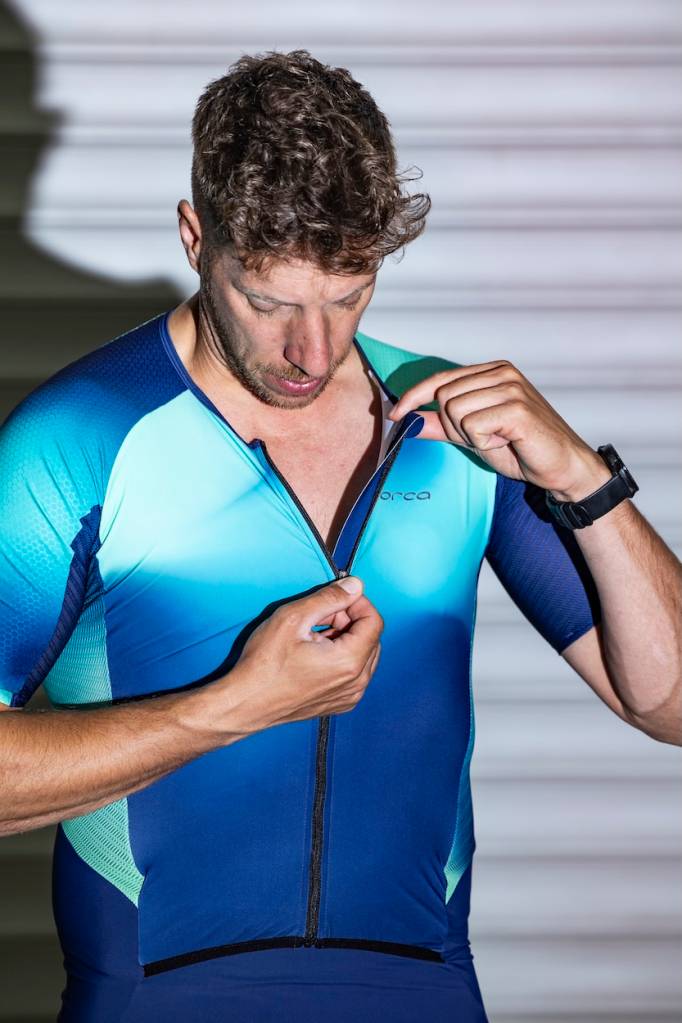
9. Orca Athlex Aero Race Suit V2
220 Triathlon verdict
A good value, comfy, feature-rich aero suit.
Pros
- Proven aero performance
- Moisture-wicking fabrics
- Quality 4mm chamois
Cons
- No zip guard
| Specifications | Orca Athlex Aero Race 2 |
|---|---|
| Pockets | 2 mesh pockets |
| Breakaway zip | Yes |
| Sizes | Men's: XS-XXL | Women's: XS-XL / UK8-16 |
| Chamois | Supportive, 4mm |
In triathlon, marginal gains are everything and that same logic applies to your tri suit, which is why Orca has given its popular Athlex Aero Race Suit a notable refresh for 2026.
Designed to deliver speed, comfort and practicality without demanding a second mortgage, the new Orca Athlex Aero V2 packs plenty of tech into a surprisingly accessible package. Aerodynamics sit at the heart of the design, with a specially textured fabric across the shoulders, sleeves and back, said to reduce drag, while highly elastic materials are used to promote unrestricted movement.
See my full Orca Athlex Aero Race Suit 2 review for more
Best for colourful design

10. Stolen Goat Venom Ibex Advanced
220 Triathlon Verdict
Stylish, slick and packed wit race-day features at a welcome price, can just handle middle-distance.
Pros
- Bold design with quality features
- Comfy and flexible fit
- Race-ready features
Cons
- Fit may run small
- Unverified aero claims
| Specifications | Stolen Goat Venom Ibex Advanced |
|---|---|
| Pockets | 2 side pockets |
| Breakaway zip | No, 3/4 zip |
| Sizes | Men's: XS-4XL | Women's: XS-3XL |
| Chamois | Medium support |
The Venom arrives with Stolen Goat’s trademark eye-popping design, and I like it. It also features plenty of well-crafted features, including silicone beads on the legs (chosen over a dedicated band) to hold the sleeves in place, raw-cut limbs and a full-length zipper garage. SG describe the fit as ‘serious’ and I’d suggest sizing up if you’re between sizes, but it’s not as tight as some race-focussed contenders as the 22% of elastane offers plenty of stretch.
That material boosts sizeable mesh panels on the back and sides for ventilation, while dimpled textures on the sleeves hint at aerodynamic gains (we’ve yet to test in a wind tunnel). The kangaroo-style duo of rear pockets are sizeable, the breakaway zipper great for pit stops and the pad can handle up to middle-distance length.
Best eco tri-suit

11. Trigirl Star Tri-Suit
220 Triathlon Verdict
Great to see a brand designing just for women and with some superb eco credentials, too.
Pros
- Eco-friendly materials
- Women-specific fit
- Comfortable and functional
Cons
- Leg rolls up under wetsuit
- Underarm chafing (bra option)
| Specifications | Trigirl Star Tri-Suit |
|---|---|
| Pockets | 2 |
| Breakaway zip | No, 3/4 zip with integrated bra (also available without bra) |
| Sizes | S-XL / UK6-16 (women only) |
| Chamois | Medium support, 4mm |
Tri-Girl’s latest women-specific tri-suit impressed me more for its conscience than its cosmetics. Built from 100 % Econyl (recycled fishing nets reborn as tough nylon) it backs the talk with EU manufacturing, fair wages, and recycled packaging.
I sized up to suit my tall frame and found the extra length perfect; the soft Lycra cuffs stayed put, though they rolled when I tugged a wetsuit over them. The wide, vented neckline, slick zip and 4 mm chamois kept me chafe-free through sprint sessions. I’d recommend that long-course athletes should pick the thicker 8mm pad option. One rear pocket, optional bra, and a sub-£150 tag seal the budget tri suit buy.
Best tri-suits compared
| Specifications | Tri-Fit Evo Next Gen | Zone3 Aeroforce X II Short Sleeve Tri Suit | Castelli Core | Bornbound Skärvatten Pro LD | Zone3 Activate+ Short Sleeve tri-suit | Tri-Fit Vanguard | Huub Pinnacle | Tri-fit Vortex | Orca Athlex Aero Race Suit | Stolen Goat Venom Ibex Advanced | Trigirl Star Tri-Suit |
|---|---|---|---|---|---|---|---|---|---|---|---|
| Star rating |
★★★★★
|
★★★★★
|
★★★★★
|
★★★★★
|
★★★★★
|
★★★★★
|
★★★★★
|
★★★★★
|
★★★★★
|
★★★★★
|
★★★★★
|
| Pockets | 1, two entry points | 2 | 2 | 2 | 1 | 2, side entry | 2 | 2, side entry | 2, mesh | 2, side entry | 2 |
| Breakaway zip | Yes | No | No | Yes | No | Yes | Yes | Yes | Yes | No, 3/4 zip | No, 3/4 zip with integrated bra (also available without) |
| Sizes | Men’s: S-XXL | Women’s: XS-XL | Men's: XS – XL | Women's: XS-XL | Men's: XS-3XL | Women's: XS-XL | Men's XS-2XL | Women's XS-XL | Men's: S – XXL | Women's: XS-XL | Women's: XS-XL | Men's: S-2XL | Men's XS-2XL | Women's XS-XL | Men's: S-2XL | Women's: XS-XL | Men's: XS-XXL | Women's: XS-XL / UK8-16 | Men's: XS-4XL | Women's: XS-3XL | S-XL / UK6-16 (women only) |
| Chamois | Medium support | Minimal support | Long-distance support | Well padded | Minimal | Minimal | Minimal | Minimal | Supportive | Medium support | Medium support |
| Buy Now | Buy Now | Buy Now | Buy Now | Buy Now | Buy Now | Buy Now | Buy Now | Buy Now | Buy Now |
What features should you look for in a tri-suit?
- Aerodynamics: For long-course racing, a sleeved tri-suit can save minutes on the bike leg thanks to reduced drag. It’s one of the most cost-effective speed upgrades, especially over 70.3 or Ironman distances.
- Fit and chafing: A good fit is non-negotiable. Avoid suits with excessive or poorly-placed seams, as they’re prime candidates for chafing during long races.
- Chamois padding: Padding should be minimal yet well-placed, with just enough to cushion the ride without feeling bulky or diaper-like on the run.
- Breathable fabric: Choose light, sweat-wicking materials that help regulate body temperature. Just note that these may require gentle care or hand washing between uses.
- Storage pockets: Fuelling is hugely important in triathlon, especially for the longer distances. Check for well-placed pockets that can hold gels and snacks without bouncing or sagging.
- Toilet access: For easier bathroom breaks, two-piece suits are practical. One-piece suits offer better aerodynamics and stability, but can be trickier during pit stops mid-race.
Read more on features to look out for in an Ironman tri-suit.
Frequently Asked Questions about tri-suits
Tri-suit types now number short-sleeved versions, classic sleeveless options, two-piece tri-suits, tight speed suits, ITU-friendly suits with reverse zippers, and even thermal suits for races in colder climes. Each sub-genre boasts (deep breath) various pad size options, different pocket types and placements, a number of material choices (a stretchy 20% elastane and 80% nylon mix dominates the suits on test here, but polyester is common on cheaper suits), compressive properties and more.
Male and female-specific suits will also be cut differently to conform to different body shapes, while the aesthetics can differ between genders (thankfully, women can now buy suits without a splash of pink somewhere!). Each type of tri-suit should perform in its chosen niche, but the versatility of short-sleeved suits at every triathlon distance ensures that’s mainly what we’re reviewing here.
Two-piece tri-suits (made famous by pro athletes Kenny Souza and Faris Al-Sultan) are separate padded shorts and a zipped top. The benefits are that you can buy a different-sized top or bottom to secure your closest fit, while mid-race toilet stops are a doddle. This will be most beneficial for those who are significantly different sizes on their top and bottom halves.
Negative points include an aerodynamic penalty from fabric bunching at the waist; they’re not ideal for the swim (you can swim in the shorts and don the top in T1); and the top can ride up/or the shorts sag down to reveal both belly and/or bottom to your race rivals (or watching family). Improved hem tech has improved the latter, however, while they offer more versatility for training sessions than a conventional one-piece tri-suit does.
Despite the growth of sleeved tri-suits, the classic vested tri-suit still has its place in triathlon, especially for shorter races. The lack of arms ensures an unrestricted swim stroke and a lack of wet sleeves on the bike, while they can be better for athletes who struggle in the heat and a reduction in the amount of fabric can mean cheaper prices. Downsides include a lack of UV protection from the sleeves and an aerodynamic (and, for us, an aesthetic) penalty.
Short-sleeved tri-suits were only truly established around a decade ago, but they’ve since experienced a surge in popularity and tech advancements. They should offer improved aerodynamics if the fit is precise, better looks (especially if you don’t have Popeye-esque biceps) and protection from UV rays. The key is ensuring the sleeves don’t inhibit your swim stroke, the seams don’t rub under the arms and you don’t suffer from overheating on the arms.
The last decade has seen the rise of the short-sleeved tri-suit, and they now largely dominate tri courses of every distance. There are still merits to vests, however, including unrestricted upper-body movement on the swim, no damp sleeves on the bike and a cheaper initial outlay.
The benefits of short-sleeve suits are plentiful, though, including increased hydro and aerodynamics (fabric is faster than bare skin), more sun protection, added warmth and, well, they just tend to look better for many of us (especially if you don’t have arms like The Rock). The advent of sleeved triathlon suits also saw the rise of full-length zippers, which open up at the bottom. This makes pre/mid-race toilet stops far easier, but remember that race rules dictate that you shouldn’t lower your zip further than the bottom of the breastbone when on a middle/long-distance course, and must be completely done up on sprint and standard events.
Our own wind-tunnel testing has also shown the importance of a well-fitted suit, with the likes of taped seams, dimpled or pinstripe fabric and lengthy arms and legs saving triathletes 60secs over a 40km Olympic-distance bike leg (over 4mins in Ironman). A key stat to note when contemplating aero changes is that around 70-80% of aerodynamic drag is caused by the rider, with just 20-30% coming from the bike, so size carefully and you’ll soon be reaping the aero goods.
There will inevitably be compromises when buying a cheap sub-$50/£50 tri-suit, but there are plenty out there that punch above their fiscal weight. The finishing quality can be lacking a touch, the polyester can be slower to dry than suits made with elastane and any hints of aerodynamics are limited.
But you might get some decent grippers trickling down from higher-priced suits, a solid chamois for shorter sprint and Olympic-distance bike legs, and a pocket or two for stashing an energy gel or bar. Go longer than the 1.5km swim/40km bike/10km run of Olympic-distance tri, however, and we’d recommend spending more than around the $85/£75 mark. Wiggle and Decathlon are good places to start for a budget triathlon suit, but also keep an eye out for sample sales from brands.
It’s a common question from those just coming into the sport and the answer is a simple no. Tri-suits are designed to be worn solo from start to finish, no matter if you’re in the water, on the bike, or running. Made from breathable, quick-drying fabric with a built-in chamois pad, wearing a dedicated tri-suit reduces chafing and boosts comfort.
Skip the undies to avoid irritation, but female athletes may still want a supportive sports bra, especially for the run. We’d advise you apply chamois cream and always wash your suit after use to prevent bacteria build-up. Read more on do you need to wear underwear under a tri-suit?
Duathlon is in basic terms the same thing as a triathlon but without the swim. This means that there’s less gear to worry about, no wetsuit, no goggles, and happily no soggy transitions. But typically cooler temperatures for UK duathlons mean you’ll need to dress smart. A good tri-suit or skinsuit is your best bet in terms of aerodynamics, they’re quick-drying, and designed to handle both the bike and run comfortably. Sleeved versions offer extra warmth and reduce drag, while lightweight layers like arm warmers or gloves can help manage shifting weather. Read more here for what to wear for a duathlon.
How we tested these tri-suits
The triathlon suits here were all given multiple tests on the swim, bike and run to find the best one. Key factors included breathability, how fast they dried, chafing (or lack of), pocket sizing and accessibility, and the effectiveness of the leg grippers and zippers. The pad was assessed for how quickly it dried after the swim, its ability to provide comfort on the bike leg, and whether the size impacted on the run.
The price, aesthetics, durability and aerodynamics were also considered, as was the versatility of each suit. The first two suits were also tested for their aerodynamic abilities at the Silverstone Sports Engineering Hub’s wind tunnel with aero expert Stephen Roche (aka The Bike Tailor).
Wind tunnel testing involved speeds of 19mph/30km/h and 25mph/40km/h, with the test rider in the same aerodynamic riding position for each suit. We maintained a yaw angle of 7.5°, as this is often used as a baseline because it’s consistent with what you tend to experience on the road. The data in our testing results table above is for a 25-mile (40km) bike leg.
Meet our testers:
Rob Slade has been testing outdoor gear for over a decade and is 220’s previous Content Editor. Rob started on the team as a beginner triathlete and how has multiple races under his belt. A lover of the details, Rob brings his technical and detailed knowledge to the table when testing all the features and functions of tri-suits.
Author Matt Baird has been racing triathlon for over 20 years, he’s a previous 220 team member, with experience as editor of Cycling Plus and now as BBC Countryfile. Matt dives headfirst into every challenge, including racing extreme distances and tough events, Matt puts the tri-suits he tests thoroughly through their paces.
Adam Leitch is a reporter and former football journalist who’s now part of the Supertri League team. Adam brings years of tri gear testing experience to the table, along with his expert knowledge and athlete access. He knows exactly what it takes to make a performance tri-suit.
Sarah Broadley been involved in triathlon since 2012 and is now an open-water swim coach based in the Cotswolds. Sarah is a keen swimmer and cyclist and has been testing gear for 220 for several years now.
Recent updates
- 6 November 2025: We added more male/female imagery for each tri-suit and added additional categories to shout about the best wind-tunnel tested tri-suit. We also explained further how we tested our suits in the wind tunnel and added further explanatory imagery when it comes to testing and different types of tri-suits.
- 13 December 2025: We confirmed that all of the tri-suits on test are still available and the best options around in the industry. we also expanded our advice and imagery at the bottom of the article.
- 13 January 2026: We added two more categories to the ‘best for’ table and checked all products were in stock
- 9 February 2026: We checked all products were still on sale and that links to them were working. We also updated the main article image.
- 16 April 2026: We completed a complete update of our reviews and article structure.
- May 2026: We added a big comparison table to better understand the differences in the key specs of each tri-suit.
- 29 June 2026: We replaced the Orca Athlex Aero Race Suit with the new V2. We also removed the percentage scores, instead keeping the star ratings.


 Rob Slade
With contributions from