Akaso Brave 7 LE action camera review: “proof that you don’t have to splash the cash if you want to record content!”
Can the wallet-friendly Akaso Brave 7 LE action camera live up to the performance of higher-end models? Tester Charlie Allenby finds out...

220 Triathlon Verdict
Definitely a good choice for those on a budget, but quality and footage could be better here
Pros
- Price
- Accessories and mounts at no extra cost
- Dual screen design
Cons
- Footage not as good as rivals
- Poor battery life
- App user interface tricky to use
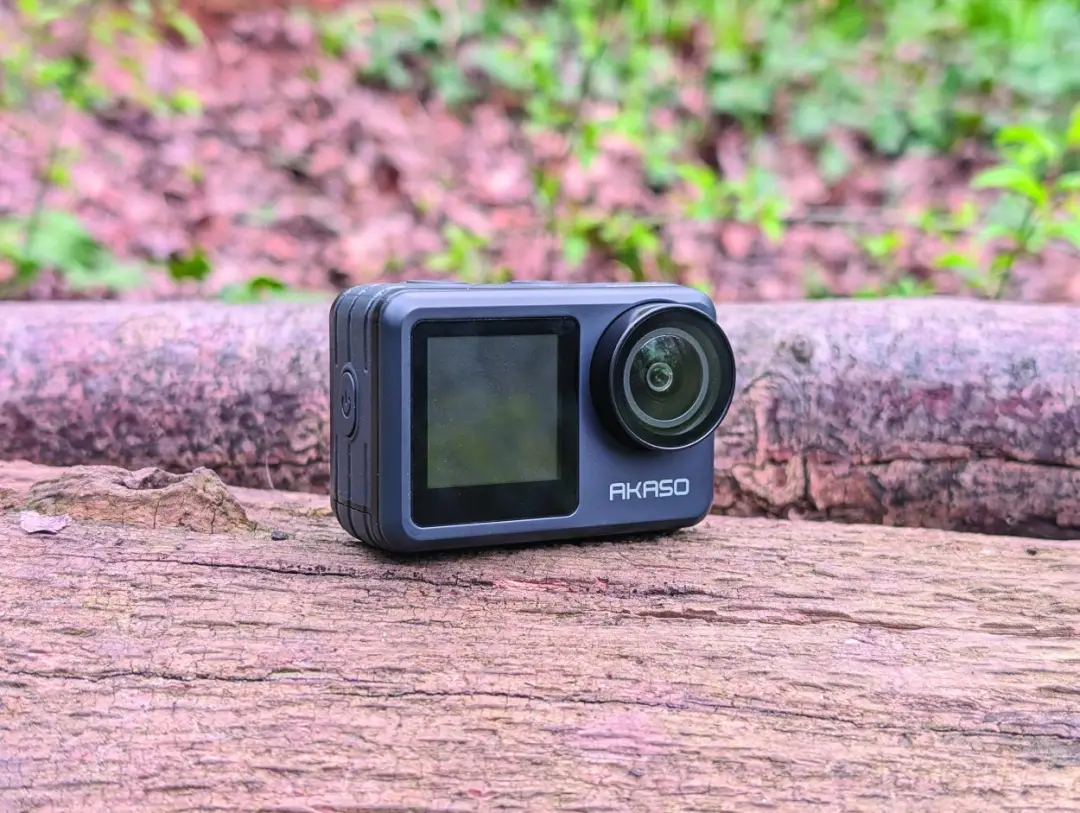
Chinese brand Akaso is proof that you don’t have to splash the cash if you want to record content as you embark on your swims, rides and runs. Its Akaso 360 is a direct rival to the Insta360 X range, but its Brave 7 LE is worth focusing on because of its sub-£130 price tag.
For a fraction of the price of other models, you get a dual screen set-up like the DJI Osmo Action range, 40m waterproofing (although the included waterproof case is required) and video resolutions up to 4K30fps. It also has image stabilisation, a 4x zoom and an accompanying smartphone app where you can edit your footage. What’s more, you get an overwhelming number of accessories for no additional cost – including helmet mount, handlebar mount and a remote – making the Brave 7 LE even better value for money.
But while it clearly undercuts its rivals, at what cost to its capabilities as an action camera?
How we tested action cameras
We tested the DJI Osmo Action 6 alongside the Insta360 X5 and Go Ultra, riding them in various positions on the bike and manually holding them while running. We assessed their ease of use, weight, quality of video and stills, durability, battery life, accessories and value for money.
Out the box

On the surface, the Brave 7 LE looks somewhat dated. First released in 2020 but still in production, it hasn’t aged well in six years and is a bit bulky and cheap feeling compared to its more newer competitors. Its rear screen is a case in point – hemmed in by a wide, black frame, the area of the touchscreen that is actually functional accounts for about 75% of the screen, making navigating more fiddly than on rivals. A clunky user interface makes this even harder.
Mounting accessories is based around a threaded ¼” nut on the base of the camera, rather than the magnetic systems found on more modern devices. This makes it fractionally slower to mount and dismount from a selfie stick or chest harness, but does mean you can use universal adapters that might not work with a DJI or Insta360 (review) device. The waterproof case is quick and easy to use, but you could plump for the Brave 7 for an extra £30 if you wanted built-in waterproofing to 10m.
The Akaso in action
During use, the Akaso camera has a couple of flaws that might make you look elsewhere if you’re not on a strict budget. I never reached the claimed 60 minute battery life, making it quite limited on longer rides. Although another battery comes in the pack and the modular system makes it a quick job to swap between them, I’d rather not need to take another thing out with me on the bike. Also, the footage it recorded didn’t have the same vibrancy and punch as that recorded on the DJI and Insta360 devices, particularly in low light settings like a sheltered woodland and cloudy days.
The editing software lacks the bells and whistles of a more premium service but is fine for cutting and splicing clips together before exporting. While the above might sound like I’m putting a downer on the Brave 7 LE, it’s more highlighting the sacrifices that you make when opting for a slightly outdated camera. One thing you can’t ignore though is the price, and if you want an affordable, entry-level 4K camera, then the Akaso option is hard to beat.
Akaso Brave 7 LE specs
| Specifications | |
|---|---|
| Weight | 4.6oz/130g |
| Waterproof | IPX7 (comes with a waterproof case up to 40m) |
| Battery life | 60min |
| Maximum video resolution | 4K30fps |
| Maximum stills resolution | 20MP |


 Charlie Allenby