We test the best budget triathlon wetsuits in 2026 for bouyancy, warmth and speed
Your first triathlon wetsuit is a landmark purchase on your triathlon journey. So which is the sub-$300/£250 winner? 220 finds out...


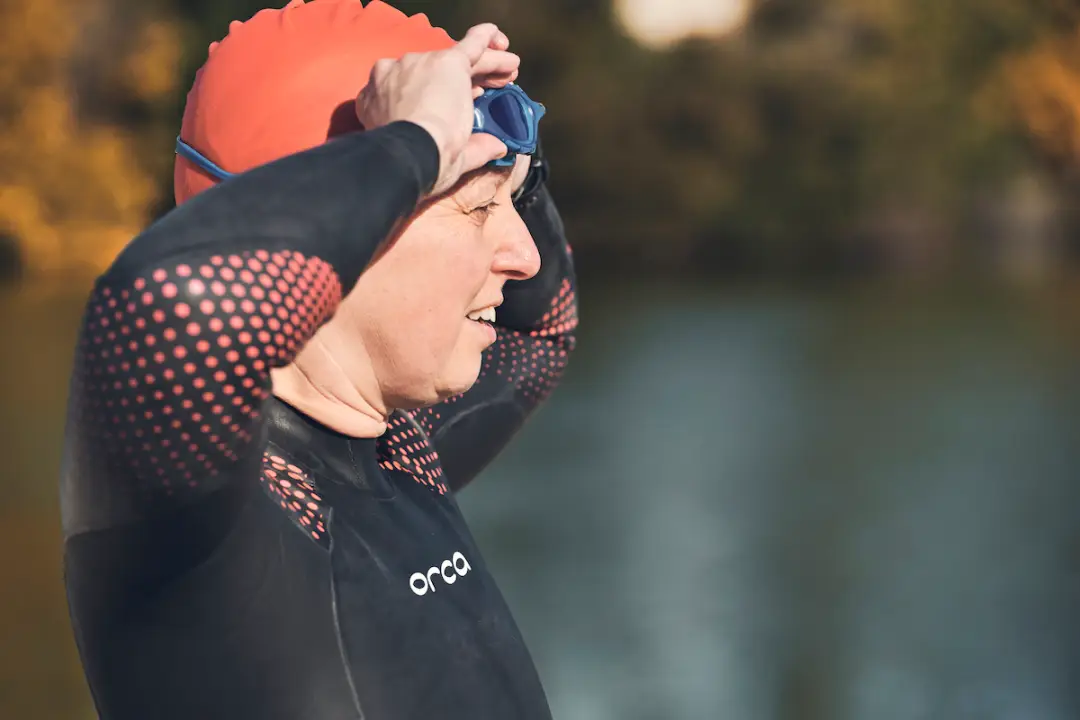
In a market where the best triathlon wetsuits cost several hundred dollars or pounds, it’s a relief that cheap triathlon wetsuits are not just for beginners but a host of triathlon experiences.
Here we’ve rounded up the top budget triathlon wetsuits from $150 / £100 up to $350 / £300, for men and women.
If you can, find a triathlon retailer or triathlon expo to try the suits, especially if this is your first triathlon wetsuit purchase. If not, ensure any online seller has a decent returns policy and study the size guide.
Also, think about your own swim ability when picking as some features – slender neoprene and a reduction in buoyancy – are lost on, or even detrimental to, beginner swimmers.
Those with sinking legs should look for increased neoprene thickness with enhanced buoyancy. And consider which races (sprint or Ironman?!) you’ll be entering and whether you suffer from the cold.
Budget wetsuits can be an affordable way to keep yourself safe while training through the seasons. If you’re looking for more advice before you buy, read our guidance on how to choose a triathlon wetsuit.
Why you can trust 220 Triathlon
Our team of experts rigorously tests each product and provides honest, unbiased reviews to help you make informed decisions. For more details, see how we rate and test products.
Best budget triathlon wetsuits at a glance
The Orca Athlex Float (buy) has the feel of a top-end suit, with great flexibility and comfort, with a budget price-tag.
The Speedo Proton (buy) offers exceptional value for money, with great buoyancy and flexibility while swimming.
The Alpkit Silvertip (buy) is an affordable introduction to thermal wetsuits, with internal storage and good hi-vis details.
The Zone3 Agile (buy) wetsuit is a value-packed wetsuit that’s comfortable and pretty fast.
The Yonda Spook’s (buy) bright sleeves (turquoise for women and green for men) help it stand out in the water.
Extra marks for the Lomo Prime Wetsuit (buy) with its ‘wide’ options helping fit a wide range of body shapes.
The Zoot Kona 2.0 (buy) is as flamboyant as it is bouyant, with striking coloured panels
The 2XU Propel P:1 (buy) featured prominently in our test as its design encourages a high arm turnover.
Any westuit that’s a breeze to take off gets a thumbs-up from us, and the Zone3 Advance (buy) is no exception.
The Aqua Sphere V3 (buy) is invaluable to new triathletes as it encourages you to adopt a streamlined position.
Best budget triathlon wetsuits in 2026
Best budget wetsuit overall

1. Orca Athlex Float
220 Triathlon verdict
The extra buoyancy will give reassurance to sinky swimmers and we were bowled over by the quality to RRP.
Pros
- Flexible fabrics impressive at this price
- Helpful buoyancy
- Excellent value for money
Cons
- Hard to think of any
| Specifications | Orca Athlex Float |
|---|---|
| Price | $349 / £239 |
| Bouyancy | 4.5mm |
| Features | Infinity Skin 2 lining |
| Sizing | XS-XL |
The triathlon range from Spanish brand Orca remains unchanged for 2025, which is no bad thing as I’ve long turned to them for racing.
Combining supple, flexible fabrics with the perfect fit on this tester, I’m always amazed by the price point on the entry-level models.
The Athlex Float tested here is the entry-level suit with buoyancy (hence ‘Float’) and, while I wouldn’t usually choose a buoyant suit, I was pleasantly surprised by how easy it was to swim in without feeling like my body position was compromised or movement restricted.
This suit features 4.5mm neoprene in the legs and core panel to create that lift, but it still retains a good degree of flexibility, which likely aids that freedom of movement, alongside the highly elastic Infinity Skin 2 lining. All-in-all, this is a superb suit for the money.
Review by Helen Webster
Most stylish budget wetsuit

2. Zoot Kona 2.0
220 Triathlon Verdict
Eye-catching wetsuit which is very flexible around your torso and buoyant everywhere.
Pros
- Bold styling helps you be seen
- Well insulated
- Comfort lining
Cons
- Hard to take off
- Too buoyant in the sea
| Specifications | Zoot Kona 2.0 |
|---|---|
| Price | $245 / £419 |
| Bouyancy | 2mm / 3mm / 4mm / 5mm |
| Features | Smooth nylon liner, gender-specific geometry, AQUAlift buoyancy profile, Yamamoto 38 |
| Sizing | Women's: XS, S, ST, M, L, XL; Men's: XS-2XL |
The Zoot Kona 2.0 wetsuit makes an immediate impression with its vibrant Pink Flora design, adding colour to chilly lake mornings.
Crafted from high-quality Yamamoto neoprene, it delivers an excellent mix of warmth, buoyancy, and flexibility.
Its varied thickness, up to 5mm in the legs, provides significant float, which is particularly beneficial for maintaining hip position.
While exceptionally buoyant in fresh water, it may feel a little too buoyant in saltwater.
You’ll appreciate the Glideflex chest panels, which ensure unrestricted breathing and shoulder movement.
Coupled with a soft neck and long sleeves, the Zoot Kona 2.0 scores well for comfort. This wetsuit keeps you warm in waters as cool as 10–12°C.
Be aware that removing can be challenging, particularly around the arms, making speedy transitions difficult. However, its durability and jazzy look make it a strong contender for early-season training.
Review by Sarah Broadley
Best budget wetsuit for comfort

3. Zone3 Agile
220 Triathlon Verdict
Value-packed wetsuit that’s comfortable and pretty fast.
Pros
- Good insulation
- Comfy
- Visible elements
Cons
- Hydrodynamics aren’t great
| Specifications | Zone3 Agile |
|---|---|
| Price | $383 / £219 |
| Bouyancy | 3mm / 4mm |
| Features | Hydrodynamic coatings, quick transition cuffs, wider neckline, colourful visibility |
| Sizing | Women's: XS-XXL; Men's: S-2XL |
The Zone3 Agile is a comfortable, warm, and buoyant entry-level wetsuit, perfect for helping you achieve a strong body position in the water. In fact, it’s probably the most comfortable triathlon wetsuit I’ve swam in for the price!
Its multi-panel design, combining 2mm, 3mm, and 4mm neoprene, provides flexibility around the shoulders while supporting your core and legs.
With hydrodynamic Speedflo and Smoothskin coatings, the Agile seems to slip through the water well for a cheap wetsuit.
It fits true to size and has a comfortable, wide neckline. Bright flashes on the cuffs and ankles boost visibility of this stylish wetsuit. A great choice for open water swimming beginners.
Review by Sarah Broadley
Easiest budget wetsuit to take off

4. Zone3 Advance
220 Triathlon verdict
A comfy and stylish suit with adequate buoyancy, but a little short on the legs.
Pros
- Quick to take off
- Solid buoyancy profile
Cons
- Some water ingress
- Cut a little short for colder swims
| Specifications | Zone3 Advance |
|---|---|
| Price | $425 / £249 |
| Bouyancy | 1.5-4mm |
| Features | 39-cell Yamamoto neoprene; AQUA-X coating; Smoothskin fabric |
| Sizing | Women's: XS-2XL; Men's: S-2XL |
The latest version of the Advance is claimed to be 16% lighter and more buoyant than its predecessor.
The 4mm buoyancy panels along the legs certainly helped our form in the water and we had a decent range of movement in the arms.
We like the stylish design with reflective detailing, while the wide silicone arm and leg cuffs made the suit the fastest to take off on test.
It ticks the sustainability box, too, being made from limestone-derived 39-cell Yamamoto neoprene, rather than from petroleum.
There was no chafing, but the neck and legs felt a little short for our cold springtime test waters. Though fast to do up, the zip did allow water ingress, which isn’t ideal in colder temperatures.
Review by Kate Milsom
Best budget wetsuit for beginners

5. Aqua Sphere Pursuit V3
220 Triathlon verdict
With top-quality tech, this is one of the best cheap triathlon wetsuits for entry-level triathletes.
Pros
- Kept us warm in cooler waters
- Helps deliver streamlined position
Cons
- Some water ingress at the zip
- Not as cheap as others
| Specifications | Aqua Sphere Pursuit V3 |
|---|---|
| Price | $299 / £198 |
| Bouyancy | 1.5-5mm |
| Features | 38-cell Yamamoto SCS-coated neoprene; double layer collar; quick-release panels |
| Sizing | Women's: XS-2XL; Men's: S-2XL |
Aqua Sphere’s wetsuits regularly blow us away, and the Pursuit V3 continues to impress.
The recipe is just right with the ‘Aqua Drive’ core panel consisting of 4mm 38-cell Yamamoto neoprene, the 3.5mm legs holding us up just enough for a streamlined position, and the 2mm thickness ‘Bio-Stretch Zone’ across the arms and back allowing for a silky-smooth arm stroke.
There’s no chafing thanks to the Aqua-Flex collar seal, though we did endure some water ingress via the back zip.
It certainly kept us warm for an hour in 10°C/50°F waters and was second only to the Zone3 Advance in terms of removal speed.
With an updated price of $299/£198, it’s a real bargain.
Review by Kate Milsom
Best budget women's wetsuit

6. 2XU Propel P:1
220 Triathlon verdict
A decent suit with lots of flexibility for fast swimming, but sizing could cause issues.
Pros
- Very comfortable
- Lots of flexibility in the shoulders
Cons
- Concerns about durability
- Some bunching on the zip
| Specifications | 2XU Propel P:1 |
|---|---|
| Price | £295 (UK only) |
| Bouyancy | 2-5mm |
| Features | Yamamoto 39-cell neoprene |
| Sizing | Women's: XS-2XL; Men's: S-XL |
Sitting at the very top end of our budget price range, first impressions of the Propel were good, helped by its flattering design and sleek fit.
The suit’s ‘rollbar technology’ of graduated 39-cell Yamamoto neoprene allows a variation of buoyancy from a thick 5mm at the core, to a thinner 3mm back and 2mm along the ends of arms, all of which aims to aid a swifter swim rotation and more power-conserving arm stroke.
We’re not sure on the sizing process here, which is based solely on height and weight. Our size small fits well except for a bunching of the zip on the back, which gave water ingress.
The Propel gets top marks for comfort and shoulder flexibility is great, but we were concerned about poking holes in the thin-feeling neoprene.
Review by Kate Milsom
Best budget wetsuit for range of sizes

7. Lomo Prime Wetsuit
220 Triathlon verdict
Warmest suit on test, with inclusive sizing and an accessible price point both real positives.
Pros
- Great price
- Big range of sizes
Cons
- May be too buoyant for some
- Prone to some water ingress
| Specifications | Lomo Prime |
|---|---|
| Price | $200 / £129 |
| Bouyancy | 2-4mm |
| Features | Smoothskin neoprene; YKK zipper; glued seams |
| Sizing | Women's: XS-XL; Men's: S-4XL |
The Prime stands out in this test thanks to its inclusive sizing range, with additional ‘wide’ options to appeal to a larger variation of body shapes.
The suit is made to provide ‘warmth, flexibility and buoyancy’ and it’s one of the warmest on test. The 4/3/2 buoyancy profile is ideal for sinky-leg swimmers and those looking to save energy.
The 4mm smoothskin neoprene along the legs provides a huge amount of lift, while the 2mm neoprene along the arms allows for plenty of flex during the swim stroke. As with all the suits on test, the YKK zipper is smooth to use and the suit is fairly quick to whip off.
The Prime’s geometry isn’t best-suited for breaststroke swimming, as the back zip and garage ride high and dig into the back of the neck when lifting the head. There is no degeneration along the seams, making up a well-rounded thought-out budget suit.
Since we reviewed it, Lomo has replaced the Prime with the Nuotare.
Review by Kate Milsom
Best budget men's wetsuit

8. Speedo Proton
220 Triathlon verdict
It may not be new, but it’s still a fine budget suit offering remarkable value.
Pros
- Balanced buoyancy makes it fun to swim in
- Flexible in the shoulders and arms
Cons
- Sizing runs a little small
- May not be enough lift for sinky-legged swimmers
| Specifications | Speedo Proton |
|---|---|
| Price | $180 / £140 |
| Bouyancy | 1.5-4mm |
| Features | Yamamoto 38-cell neoprene |
| Sizing | 2XS-2XL |
The Proton has been around a while now, but that’s no bad thing as it’s a winning budget suit.
After my first swim, we had to double check the RRP as we believed it’d be more expensive, but what we actually have is Yamamoto 38-cell neoprene, and a lean, lithe and continuous 1.5mm shoulder panel for an astonishing $180/£140.
Where budget wetsuits are often purely functional – a bludgeon of buoyancy, a flirtation with flexibility – the Proton finds the balance between keeping you afloat and maintaining a feel for the water thanks to the 1.5mm thickness of the shoulders and supple neoprene. And it’s also damn enjoyable to swim in.
Negative points are minimal, although those with sinking legs may want more buoyancy than the max 4mm leg thickness offered here. The neoprene is also quite delicate and I’d size up if you’re between sizes.
Review by Matt Baird
Best budget wetsuit for visibility

9. Yonda Spook
220 Triathlon Verdict
Quality and flexibility run through this brightly coloured and versatile wetsuit.
Pros
- No chafing
- Supple enough for front crawl
- Durable
- Comfortable
Cons
- Slow to dry
- Heavy when wet
| Specifications | Yonda Spook |
|---|---|
| Price | $329 / £249 |
| Bouyancy | 1.5-3mm |
| Features | Bright green panels |
| Sizing | Women's: XS-XL; Men's: XS-4XL |
Yonda has fine form on these pages with the Ghost and Spectre triathlon wetsuits. The similarly paranormal-themed Spook is from the British brand’s open-water collection, but there’s little to give you the frights here.
Construction is high quality and the nylon/neoprene combo offers an unrestricted front-crawl stroke due to the smartly placed panels.
The only mild chills we did experience came from some water ingress, and from the nylon being looser and more absorbent than neoprene. This means it takes longer to dry and can get heavier.
The classy neck, meanwhile, led to a chafe-free swim.
I’m not convinced by the elasticated arm cuffs, which did lead to some water ingress, but the overall comfort and durability heightens the versatility – I’d happily use this on our paddleboard ventures alongside open-water swimming and for triathlon race days.
Review by Matt Baird
Best thermal budget wetsuit

10. Alpkit Silvertip
220 Triathlon verdict
An affordable intro to thermal wetsuits, but not for triathlon racing.
Pros
- Internal pocket and high-vis detailing
- Solid warmth
Cons
- Water ingress at arm cuffs if worn without gloves
- Neck on the tight side
| Specifications | Alpkit Silvertip |
|---|---|
| Price | £249.99 (not available in the US) |
| Bouyancy | 3mm |
| Features | Internal pocket; thermal lining; Glideskin; Yamamoto neoprene |
| Sizing | S-XL |
Designed for cold open-water swims, Alpkit’s Silvertip is the outlier in this test against the tri-specific rivals.
The £224.99 price is among the cheapest thermal wetsuits around and you’ll find this type of liner on Huub’s Aegis Thermal, and it’s for that reason that it’s our top thermal wetsuit pick.
It’s not the softest on the skin compared to Blueseventy’s glorious wool thermal liners, for example, but it seems to deliver the heat-retaining goods (albeit in Devonshire waters in May, not Scottish lochs in March).
The arm cuffs are fine if you’re wearing gloves, but there’s just too much water ingress for non-gloved swims. The tight elasticated neck chafes and isn’t one for long-swim comfort, but it does quell the water seeping in.
Upper-body flexibility from the 3mm neoprene is acceptable and buoyancy levels are fairly high. But as an entry-level thermal suit for off-season swimming – with an internal pocket and visibility touches – it has appeal.
Review by Matt Baird
| Specifications | Orca Athlex Float | Zoot Kona 2.0 | Zone3 Agile | Zone3 Advance | Aqua Sphere Pursuit V3 | 2XU Propel P:1 | Lomo Prime Wetsuit | Speedo Proton | Yonda Spook | Alpkit Silvertip |
|---|---|---|---|---|---|---|---|---|---|---|
| Bouyancy | 4.5mm | 2mm / 3mm / 4mm / 5mm | 3mm / 4mm | 1.5-4mm | 1.5-5mm | 2-5mm | 2-4mm | 1.5-4mm | 1.5-3mm | 3mm |
| Sizing | XS-XL | Women's: XS, S, ST, M, L, XL; Men's: XS-2XL | Women's: XS-2XL; Men's: S-2XL | Women's: XS-2XL; Men's: S-2XL | Women's: XS-2XL; Men's: S-2XL | Women's: XS-2XL; Men's: S-XL | Women's: XS-XL; Men's: S-4XL | 2XS-2XL | Women's: XS-XL; Men's: XS-4XL | S-XL |
| Rating |
★★★★★
|
★★★★★
|
★★★★★
|
★★★★★
|
★★★★★
|
★★★★★
|
★★★★★
|
★★★★★
|
★★★★★
|
★★★★★
|
| Buy Now | Buy Now | Buy Now | Buy Now | Buy Now |
Meet our testers
Helen Webster is 220’s editor and is also a qualified swim coach and experienced triathlete. Helen gets stuck into all things gear on the daily and any spare moment is spent sussing out the nearest body of water.
Sarah Broadley been involved in triathlon since 2012 and is now an open-water swim coach based in the Cotswolds. Sarah is a keen swimmer and cyclist and has been testing gear for 220 for several years now.
Experienced endurance triathlete and kit tester Kate Milsom was staff writer at 220 and is now a freelance sports editor and writer.
Triathlon author Matt Baird has been writing about tri since 2008, when he joined 220. Since then he’s completed most formats of triathlon and tested heaps of multisport gear, including many wetsuits. He is now editor of BBC Countryfile Magazine.
How we tested
The cheap triathlon wetsuits featured here have been reviewed by 220 Triathlon‘s expert gear testing team, including the likes of seasoned triathletes Matt Baird, editor Helen Webster and top age-grouper Kate Milsom.
Former 220 features editor and regular kit-tester, Matt Baird takes on the men’s suits, and will provide a close examination of buoyancy for sinking bodies, comfort and fit, plus added technologies. Value and beginner benefits were other key considerations.
In the women’s best cheap triathlon wetsuits, 220 Triathlon editor Helen Webster and former staff writer Kate Milsom look at value for money, buoyancy levels and additional features for athletes either new to triathlon and/or on a budget.
Each wetsuit has been tested over numerous swims, including shorter swims and swims beyond 2km. When testing, we’ve judged the wetsuits on comfort, range of movement, buoyancy, quality, durability, how quick they are to get on or off, features, warmth and value for money.
A score of 90% and above means we believe that a product is truly class-leading, while 80-90% still represents an impressive product.
Anything wetsuit score between 70-80% is still worth considering, as it will have performed well, but there may be one or two issues.
Scores below 70% mean you should approach the product with caution!
Features to look out for in cheap triathlon wetsuits

Fit
The most important feature, hands down, is how the wetsuit fits. A good fit should feel snug but not suffocating— with enough room to swim freely and not feel constructed across the chest.
Pay attention to the fit across the neck seal, shoulders, and cuffs; too tight and you’ll chafe or restrict blood flow, too loose and water will rush in like it owns the place.
Flexibility
Budget wetsuits might not feel as effortlessly supple as high-end models, but it’s still important to feel like you have enough freedom of movement in your suit so you can swim at your optimum. The most important stretch zones are across the shoulders, upper back, and arms.
Buoyancy
Most triathlon wetsuits are thicker in the legs and torso to lift your body position and help you float like a pro. Budget models may not have the same slick coatings or high-tech foam, but they still often offer a helpful leg lift which can keep you more streamlined and reduce drag.
Speedy transitions
Look for features that make removal quicker, like smooth linings or larger zipper pulls you can grab easily on the run. Some cheaper suits even come with ankle release panels—thinner neoprene around the calves to help you whip the suit off smoothly on the go.
Durability
Budget doesn’t have to mean flimsy. You’ll want something that can handle repeated races, training swims, and maybe even the odd wild swim.
Check for reinforced seams, solid stitching, and decent resistance to fingernail nicks (it happens more than you’d think). A thicker neoprene can sometimes be more durable, though it may sacrifice a bit of flexibility—so it’s all about what balance works for you.
Thermal protection
Let’s be real – UK water is rarely tropical. Even in summer, there’s often a bit of a bite to it. While tri wetsuits aren’t made for deep winter swimming, they do offer enough insulation to take the edge off those first few strokes and keep your core warm enough to perform.
Check the neoprene thickness (usually measured in mm)—a common set-up is 4mm on the chest and thighs, 3mm on the back, and 2mm on the arms. This layering helps keep your core warm while letting you move freely up top.
For more race-day wetsuit options, check out our list of the very best tried and tested wetsuits for triathlon.
Updates
- 9 July 2026: We removed the Huub Surface, Van Rysel SD Neoprene, Alpkit Terrapin and Raceskin RS 01 to bring you the ten best budget wetsuits. We then added every product to the ‘at a glance’ section, added Schema tables and a comparison table at the end of the guide.


 Helen Webster
Editor, 220 Triathlon
Helen Webster
Editor, 220 Triathlon With contributions from