How to run smart in hot weather

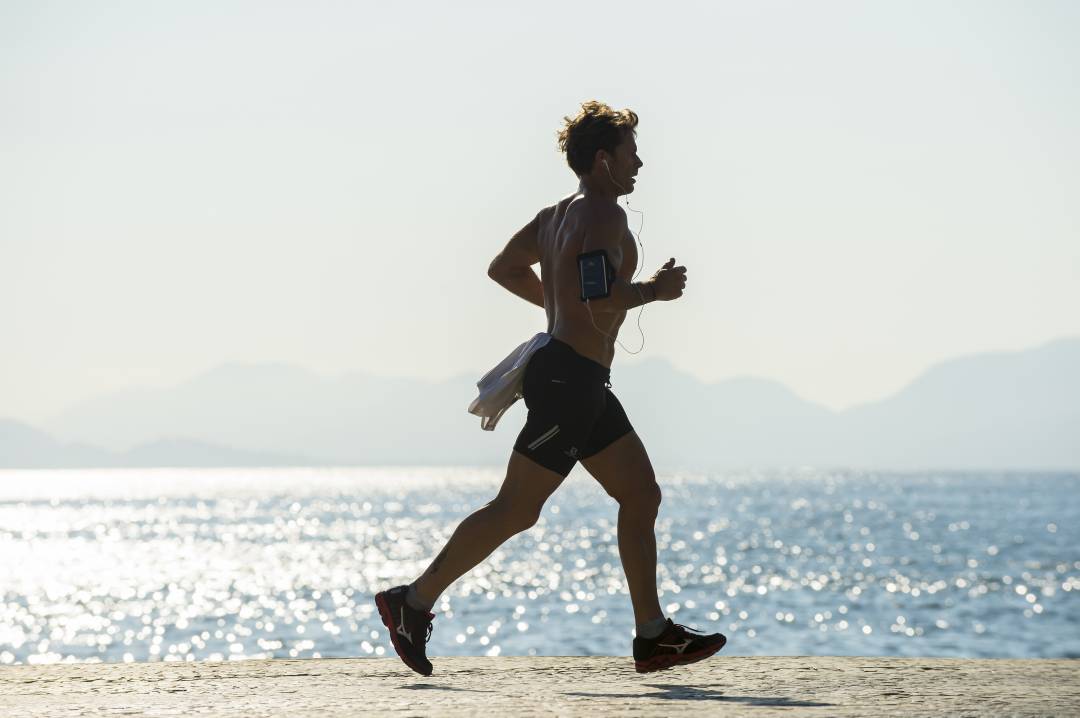
With temperatures in the UK set to hit over 30°C in some areas for much of next week, many of us will be keen to lace up our run shoes and sports sunnies and head out to make the most of it. Training in hot weather can be challenging though and the advice for running when overseas in a hot country is just as relevant as when staying at home in the heat.
To help you make the most of your runcation or home-stay hot weather training, Matt Bond, former GB distance runner and representative for Ronhill, has shared his top five expert tips for running outdoors safely and enjoyably in warmer weather:
Hot weather tips
1. Time it right: “When running on holiday, the sweet spot is early morning or after 7 pm. The NHS and Met Office both recommend avoiding 11 am to 3 pm, when UV levels and temperatures peak.”
2. Layer light, and let your kit do the work: “Materials matter more in the heat. Cotton and heavier synthetics trap heat and hold sweat against your skin. Wear lightweight, technical fabrics designed to wick moisture away from the body and let air circulate.”
3. Hydrate around the clock: “Hot-weather hydration isn’t something you start an hour before your run; it’s a 24-hour job. The UKHSA recommends drinking cold fluids throughout the day, even when you don’t feel thirsty. For any session over an hour, add electrolytes to help your body hold onto water and replace salts lost through sweat.”
4. Don’t skip the SPF: “UV levels stay high through cloud cover, and sunburn can develop in under 20 minutes on a bright day. Apply SPF 30 or higher to any exposed skin at least 20 minutes before heading out and choose a sweat-resistant formula that won’t run into your eyes. For runs over two hours, carry a small tube to reapply. It feels like a faff before a session, but a bad burn can put you out of training for days.”
5. Slow down and know the warning signs: “Heat makes your usual pace feel significantly harder, because your heart and skin are competing for blood flow to keep you cool. England Athletics suggests adjusting your training once temperatures rise above 25°C, slow your pace, shorten the distance, or split a long run into two shorter sessions. Most importantly, learn to recognise the warning signs of heat exhaustion: dizziness, chills, confusion or nausea. If you feel any of these, stop, find shade and hydrate.”
Lead image: Shutterstock


 Helen Webster
Editor, 220 Triathlon
Helen Webster
Editor, 220 Triathlon