I work full-time and ride 12 hours a week: these are the best protein sources for busy athletes
To keep well fuelled while working full-time, I focus on quick-to-prepare protein.

Working full-time and averaging 12 hours of training a week calls for a considered approach to nutrition. Failure to eat properly would leave me feeling rubbish at my desk and poorly recovered for the next workout. For the most part, I get my nutrition right by focusing on the basics: carbs and protein.
My training volume requires a relatively large amount of carbohydrates. According to my power meter data in Training Peaks, I regularly expend 10,000 kilojoules a week just cycling. Nutritionists like Dr Sam Impey, whom I spoke to about my time using the Hexis nutrition app, recommend I consume 2g/kg bodyweight of protein a day. At my weight, that’s more than 150g.
As an endurance athlete, carbohydrates need to make up a large proportion of your diet, leaving little room for calorie-dense fat in your diet. Therefore, your protein sources should be lean. Your consumption of high-fat foods like most cheeses and some red meat needs to be limited.
While the best protein powders are convenient, I try to use them sparingly, favouring the wider nutritional profile of real foods. Protein bars and ready-to-drink recovery shakes are as expensive as they are highly-processed. Nutritionists tend to recommend quality whey protein instead, which is less processed.
Best protein sources for busy athletes
1. Eggs

However you cook them, eggs are high in protein and usually pretty low in fat. Their versatility and short preparation time makes them ideal for a quick lunch or post-workout protein source. Hard-boiled eggs aren’t to everyone’s taste, but are a great protein-rich snack. Perhaps don’t peel one in the office though.
2. Whole chicken
I cook a small whole chicken almost weekly. It provides a lean protein source for several days and saves a lot of time and money compared to cooking individual pieces. When I get back from a two-hour test ride, having leftovers in the fridge means I only have to sort out my carbs for lunch.
3. Soya proteins
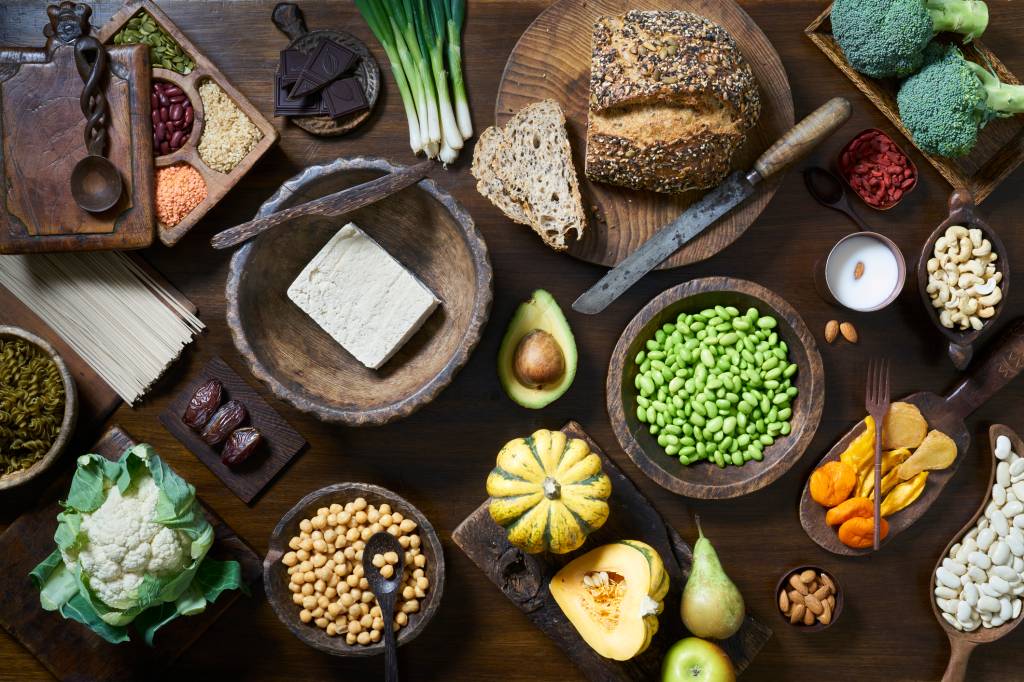
As you’ve seen, I eat meat but have a lot of plant-based meals. The likes of tofu, tempeh and seitan contain lots of protein (especially the latter two), are low in fat and take minutes to prepare. I cook them on a decades-old George Foreman grill, which crisps them up without excess oil. Combined with fresh stir-fried veg and rice and noodles, you’ve got a veg and protein-packed meal.
4. Skyr yoghurt
Skyr yoghurt, usually the own-brand Lidl or Aldi version, is my go-to afternoon snack, with or without added protein like oats depending on my carb intake that day. While Greek yoghurt is tastier, its higher fat and lower protein content is less suitable for endurance athletes.
5. Beans and pulses
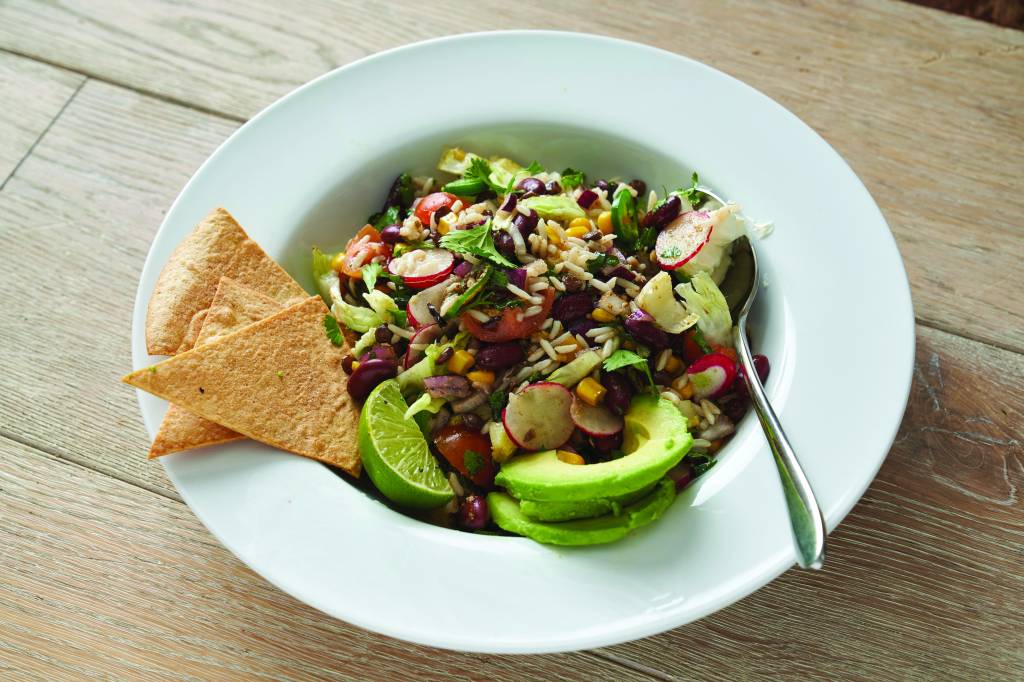
I pick up cans of beans and chickpeas every time I go to the supermarket. Mixed into salads, blitzed into hummus or cooked in stews, they’re moderately high in protein and carbohydrates, which is often what an endurance athlete is looking for. Again, they’re so quick to prepare – you can just plonk some on a plate of rice for the speediest of meals.
6. Canned fish
I’m happy to spend more on fancy and responsibly sourced canned fish. It’s often still cheaper than the fresh stuff with similar nutrition and taste. I will cook this when I have more time, but in the middle of the day I’ll usually crack open a can for convenience. Being highest in protein and lowest in fat, tuna should be your go-to as an endurance athlete.


 Jack Evans