From Olympian to long-course contender: Lisa Perterer reflects on the season that changed everything
Thanks to a winning combination of consistency, control and quiet confidence, in 2025 Austria’s Lisa Perterer broke into the big leagues of long-course racing. We caught up with her while training in Lanzarote to find out what we can expect in 2026.

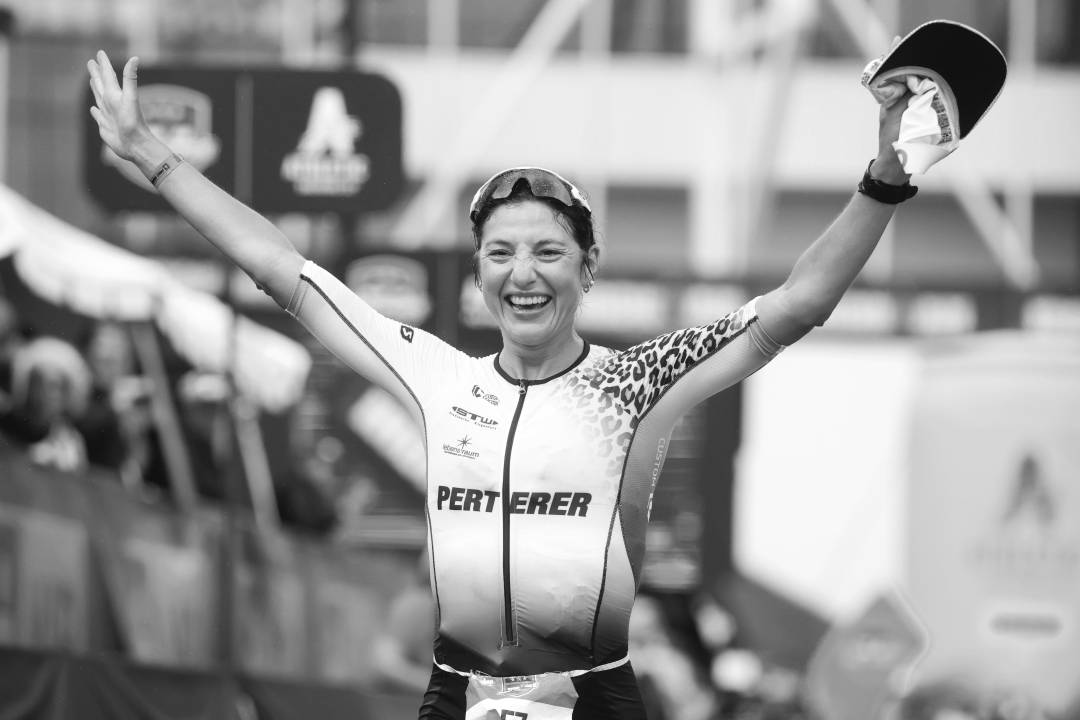
In 2025, Lisa Perterer didn’t just race well – she raced wisely. The Austrian Olympian-turned-long-course contender has been a familiar name in triathlon for more than a decade, but last season marked something of a shift.
No longer defined by raw speed or early-career aggression, Perterer’s year was built on durability, composure and the quiet confidence that only experience can bring. Across a demanding calendar that spanned Ironman, 70.3, T100 and the sport’s biggest stage in Kona (where she finished fifth on debut), she proved to the world, and herself, that she belongs “at the front in long-course racing”.
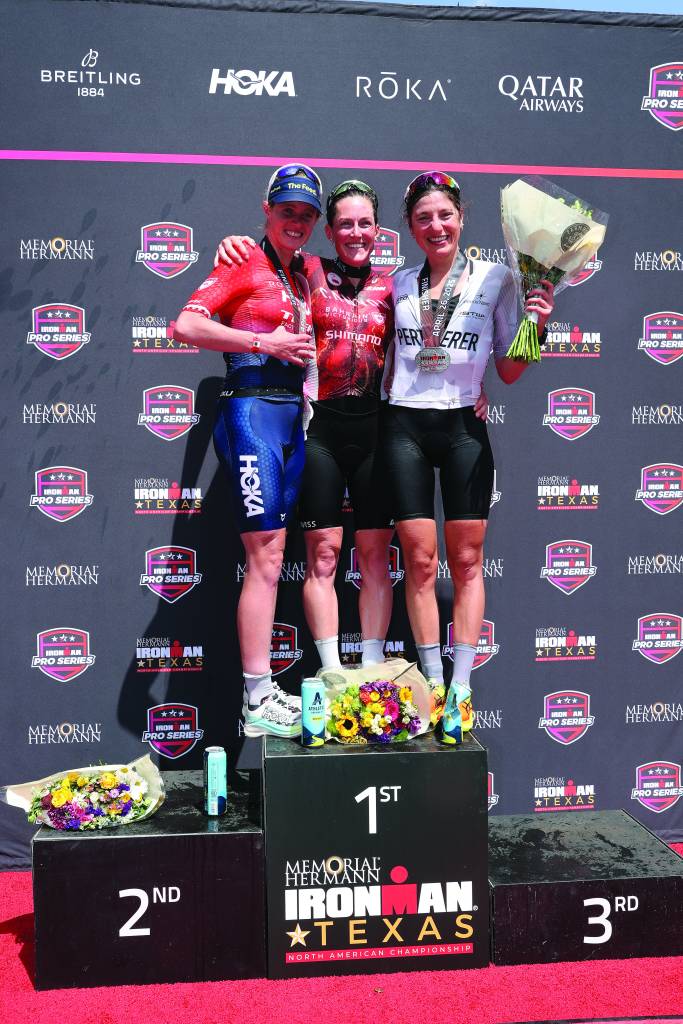
Ironman Texas, where she finished third behind Kat Matthews and Taylor Knibb, stood out as a defining performance – a display of patience and precise execution that best captured where she now sits in her career. Rather than “chasing moments”, she controlled them.
Yet 2025 wasn’t only about podium contention and race-day performances. It was also a year that reinforced what success now means to Perterer. Longevity over urgency. Process over outcome. Balance over burnout.
As the demands of professional triathlon continue to intensify – from back-to-back international racing to the high-speed precision of the T100 series – she has learned to simplify, reset and trust the long-term path.
Here, Perterer reflects on the season that sharpened her resolve, shares what she misses about short-course racing, and explains why she believes her best performances are yet to come.
220: Looking back on your 2025 season as a whole, what stands out most to you now that you’ve had time to reflect on it?
Lisa Perterer: What stands out most is how complete the season felt. Not just in terms of results, but in how consistently I was able to show up, compete at a high level, and trust my process across very different race formats and environments. It felt like a season where experience really mattered, I raced smarter, handled pressure better, and stayed composed even when things didn’t go perfectly.
220: Was there a single race in 2025 that best captured where you are right now as an athlete, and why?
LP: Ironman Texas probably captured that best. It showed the combination of durability, patience and confidence that comes with years in the sport. I wasn’t chasing moments, I was executing a plan, responding to the race as it unfolded, and backing my fitness and experience. That’s where I feel I am right now as an athlete.
220: How did your expectations for the season compare with how it actually unfolded, both in results and in how you felt racing?
LP: I had high expectations, but the season still exceeded them in some ways. Results-wise, I proved to myself that I belong consistently at the front in long-course racing. But just as important was how I felt racing – calmer, more controlled, and more present. Earlier in my career, I often raced with urgency. This season felt more intentional.
220: Did racing Kona meet your personal and professional expectations?
LP: Kona is always complex. Professionally, it’s the biggest stage in the sport, and just being there healthy and competitive matters. Personally, it reinforced how demanding that race is – not just physically, but mentally and emotionally. It didn’t answer every question, but it clarified where I can still grow and what kind of athlete I want to be on that stage.
220: What did 2025 teach you about yourself that you didn’t fully know before – either as a competitor or as a person?
LP: It taught me that patience is one of my biggest strengths now. Earlier in my career, I relied heavily on instinct and aggression. In 2025, I learned that trusting my preparation and staying calm under pressure actually allows me to race closer to my potential and enjoy it more.
220: Were there any moments during the season that challenged you more mentally than physically? How did you work through them?
LP: Yes, especially during periods of heavy travel and back-to-back races. The mental fatigue can build quietly. I worked through it by simplifying things: focusing on daily routines, leaning on my support system, and reminding myself why I chose this path in the first place.
220: You did four T100 races – what were those experiences like? And is that a format you would like to pursue further?
LP: The T100 races were intense, fast, and incredibly competitive. They demand precision, there’s very little room for error. I enjoyed that challenge. It’s definitely a format I’m interested in continuing, especially because it pushes different aspects of my skillset and keeps things exciting.
220: What does a ‘good’ off-season look like for you now, compared to earlier in your career?
LP: Earlier in my career, a ‘good’ off-season was still pretty performance-driven. I’d back off a little, but there was always structure, targets, and a quiet pressure to stay fit or fix everything at once. I didn’t fully switch off, mentally or physically.
Now, a good off-season looks much more balanced. Ideally, it starts with real time away from triathlon altogether. I like to step back completely for a while, no structure, no pressure, no constant thinking about training or performance. After a long season, that mental reset is just as important as the physical one.
I spend as much time as possible with family and friends, catching up on moments I miss during the year. It’s the time when I can travel, be spontaneous, sleep without an alarm, and enjoy life without everything revolving around a schedule. That freedom is huge for recharging motivation.
220: Do you approach off-season training with specific technical or performance goals, or is it more about resetting and rebuilding?
LP: It’s much more about resetting and rebuilding. The off-season isn’t the time I put pressure on myself to hit numbers or fix everything technically. The main goal is to step away from the intensity, let both my body and mind recover, and come back feeling refreshed and motivated.
When I do train, it’s about moving well, enjoying sessions, and gradually rebuilding consistency without expectations. Any technical work happens naturally and without urgency. I’ve found that prioritising the reset makes it easier to progress later, instead of starting the new season already feeling mentally or physically drained.
220: Looking ahead to 2026, what excites you most this season?
LP: What excites me most is the feeling that I’m still improving. Even with experience, I feel like there’s another level I can reach, especially in long-course racing. That belief is very motivating.
220: How do you set goals now: are they more outcome-focused, process-driven, or something else entirely?
LP: They’re mostly process-driven. Outcomes matter, of course, but I’ve learned that the best results come when I focus on execution, consistency and decision-making. The results tend to follow.
220: At this stage of your career, what does ‘success’ in triathlon actually mean to you?
LP: Success now means longevity, balance and fulfillment – racing at a high level while staying healthy and enjoying the journey. It’s about being proud of how I compete, not just where I finish.
220: What role do the people around you – coaches, training partners, family – play in keeping you grounded during the highs and lows?
LP: They’re everything. They remind me that results don’t define me and that perspective matters. Having people who know me beyond the sport keeps me grounded and resilient.
220: Who makes up your training squad? And where are you based throughout the year?
LP: I train within a professional environment, often splitting time between Europe and race-specific training locations. My squad is small but focused, which suits me well at this stage of my career.
220: Is there anything you miss about short-course racing?
LP: I miss the intensity and immediacy, every second mattered, and the racing was incredibly dynamic. That background still helps me, especially in faster formats like T100.
220: If you could give one piece of advice to your younger self at the start of her pro career, what would it be?
LP: Trust the long-term process and don’t rush success. Every phase of your career teaches you something valuable, even the difficult ones.
220: What do you wish fans and age-group athletes better understood about life as a professional triathlete?
LP: That it’s not just racing, it’s constant travel, recovery management and mental work. It’s incredibly rewarding, but also demanding in ways that aren’t always visible.
220: If you could steal any other triathlete’s skills, whose and what would they be and why?
LP: I’d steal Daniela Ryf’s ability to completely control a race when she’s on form. That level of authority and confidence is something every athlete admires.
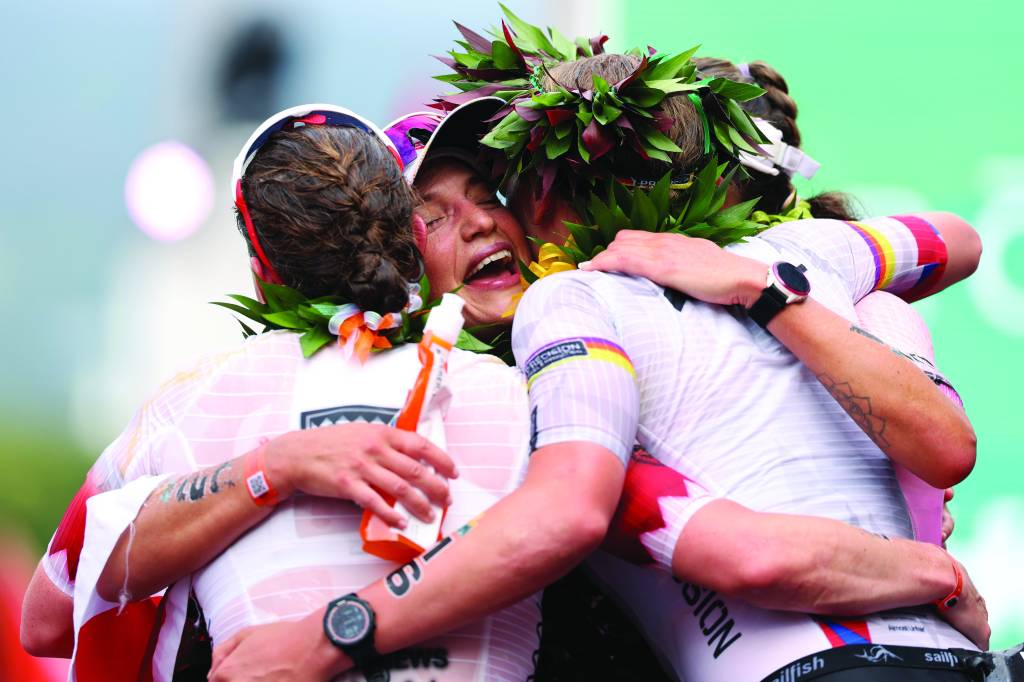
Career highlights
A mid-pack World Triathlon racer, Perterer has graduated to the pointy end since stepping up to long distance. Here are her best results, to date…
- 1st, Ironman Cozumel, 2025
- 5th, Ironman World Champs, 2025
- 2nd, Singapore T100, 2025
- 3 x Olympian
- 2020 European Duathlon Champion
A day in the life
For pro Lisa Perterer, an average day involves plenty of food and rest
6:30am: Alarm
7am: Big breakfast
7:30am: Rest a little longer on the couch and enjoy another coffee
8am: Reply to emails and write coaching plans
8:30am: Head to the pool
8:45am: Swim session, usually between 4-4.5km
10:30am: Grocery shopping or meeting a friend for another breakfast
11am: Rest time and spend some time with Brutus, the family dog
12pm: Bike session, 2-3 hours
3:30pm: Late, big lunch
4pm: Short nap
4:30pm: Small snack before the last session of the day
5pm: Warm-up and stabilisation work
5:30pm: Easy 1hr run with a few strides at the end
7pm: Dinner – usually something very simple
8pm: Watch some TV
9:30pm: Bedtime


 Liz Barrett
Freelance sports journalist, copywriter and editor
Liz Barrett
Freelance sports journalist, copywriter and editor