How to swim safely in open water this winter
Heading for a swim or dip this winter? Then make sure you stay safe with these expert tips and resources.

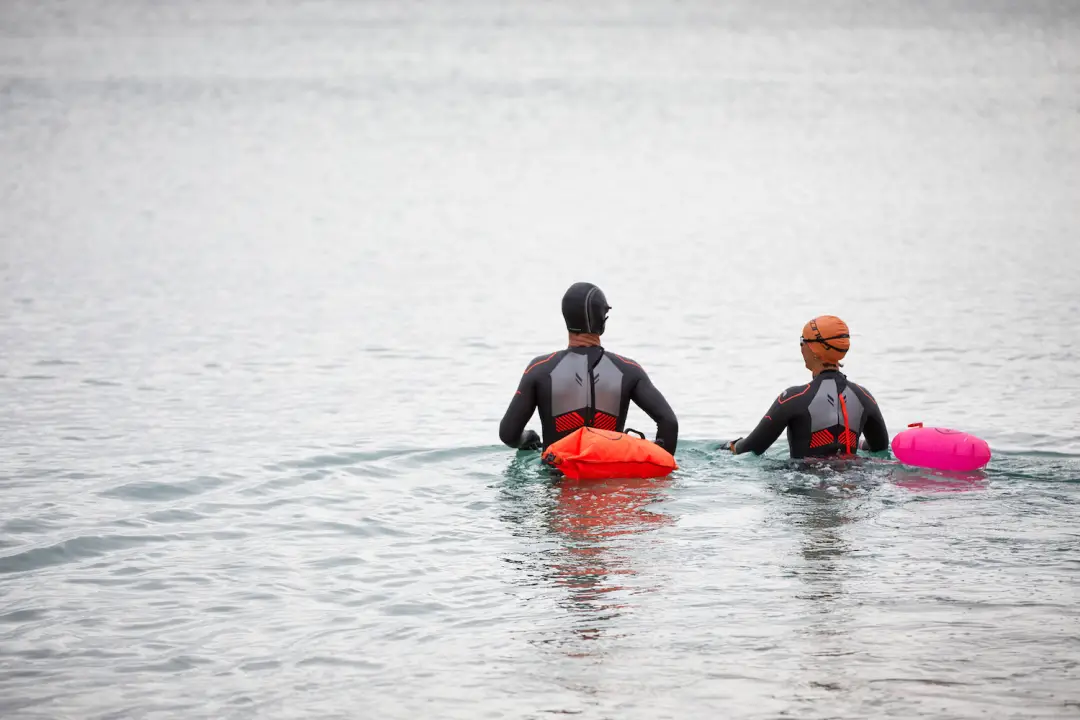
Swims in lakes and the sea are refreshing and can be wonderful fun in the colder months. However it is crucial to stay safe and if in doubt – stay out. Here is a round-up of expert advice and resources to help you stay safe.
This New Year’s Day many swimmers will be taking to the water for a traditional and celebratory dip or swim. However with the tragic loss of two swimmers on Christmas Day in Budleigh Salterton fresh in everyone’s minds, I’ve rounded up the best expert advice and resources to help all swimmers stay safe. From wetsuits to tow floats, to safe swim advice from the RNLI, read on to find out more.
Professional resources to use
- If you are new to open water swimming it can be difficult to know whether the water is safe or not. The RNLI (Royal National Lifeboat Institution) have plenty of great advice for sea swimming which is a useful place to start.
- Within the RNLI website you will find guides to different hazards in the water including tides, rips and more and how to know the risks by the water.
- The RLSS website (Royal Life Saving Society) is another useful resource to check with tips around cold water.
- If you are new to open water then swimming in a managed venue such as a lifeguarded lake is a good idea as you will have expert advice and safety on hand. In the summer many UK beaches are lifeguarded (again the RNLI website is the place to check).
- In the colder months in the UK less beaches are lifeguarded in which case if in doubt – stay out. Another option is to dip in a sea pool or marine lake (provided conditions are safe and the water is not overtopping). Two of my favourites are those at Bude or Clevedon.
- If you are attending an organised event then check who is organising it. Do they hold professional qualifications and what safety measures are in place?
- Check the weather conditions before you decide to swim. The MET office website is a good resource and I also use the Windy app to check weather and also sea conditions when at the coast.

Some tips to remember
1. Never swim alone
Always have someone you trust with you when you swim in open water (plus ideally someone on the shore too who can help you change afterwards and raise the alarm if need be). Before you enter the water make a plan for your swim/dip but be prepared to be flexible if things change.
2. Do your prep
Check the weather and water conditions as well as the water temperature. Know the ‘what three words’ for your swim location in case you need to call for help and make sure there is phone signal in the area. Carry a phone with you in a waterproof pouch and have it accessible in case of an emergency.
3. Swim in a familiar spot
Swim in a place which you are familiar with and where you know there is safe water access/exit and where the water conditions are suitable for swimming or dipping. Be aware that heavy rainfall, strong winds and tides can dramatically change bodies of water. You can also use the apps from Surfers Against Sewage and The Rivers Trust to check for pollution.
4. Add extra swim kit
Choose extra kit for warmth and safety. A wetsuit will keep you warmer and more buoyant while adding gloves, swim booties and a neoprene cap will also prevent you losing heat or feeling in your extremities.
(As an aside – I don’t recommend swimming in fancy dress, aside from a fun hat if you’re keeping your head out of the water! Many costumes will become heavy and waterlogged quickly and can make swimming difficult. Take fun photos by the water and then leave the costume on the side!)
5. Use a tow float
Use a tow float and a brightly-coloured swim cap for visibility in the water. Although not to be relied on (or used as an excuse for swimming in hazardous water) a tow float can be used to lean on if you need to. I also write my ICE (in case of emergency) details on mine with permanent marker.
6. Enter water gradually
Enter the water gradually. Never dive or jump in. It’s crucial to avoid underwater hazards and cold water shock. Take a few moments to relax, settle your breathing and adjust to the temperature before you start to swim. Splash your face with cold water before immersing and never swim until your breathing is under control.
7. Don’t be afraid to say no
Don’t follow everyone else if you are unsure. If you are not comfortable with your ability in the water conditions then DO NOT enter the water. There is always another day to swim and it is better to be cautious than to put yourself at risk.
8. Keep it short
Cold water asks a lot of your body so if you new to cold water swimming (under 15°C) then only swim/dip for a couple of minutes before getting warm and dry. Acclimatisation is built over multiple swims as your body adapts, so do not expect too much if you are a beginner. Think ‘dip’, not ‘training swim’.

9. Leave on a high
Always get out while you are still feeling good. If you are very cold and starting to shiver or show signs of fatigue then you have been in too long. Exit the water while you are still warm enough to change and look after yourself.
10. Look after yourself after your swim
Make sure you get warm and dry after your swim. A phenomenon known as the ‘after drop’ means we are usually coldest about 10 minutes after getting out of the water. Have your kit organised ready and choose warm layers and have a hot water bottle, a warm drink and a sugary snack ready. A changing robe is a great extra layer for changing and warming up. Keep moving and don’t drive until you are fully recovered.


 Helen Webster
Editor, 220 Triathlon
Helen Webster
Editor, 220 Triathlon