Cash-strapped World Triathlon’s intolerance of dissent should trouble us all
The sport’s annual congress in Australia set out triathlon’s many challenges, but most worrying were moves to clamp down on anyone who questioned its governance, says Tim Heming

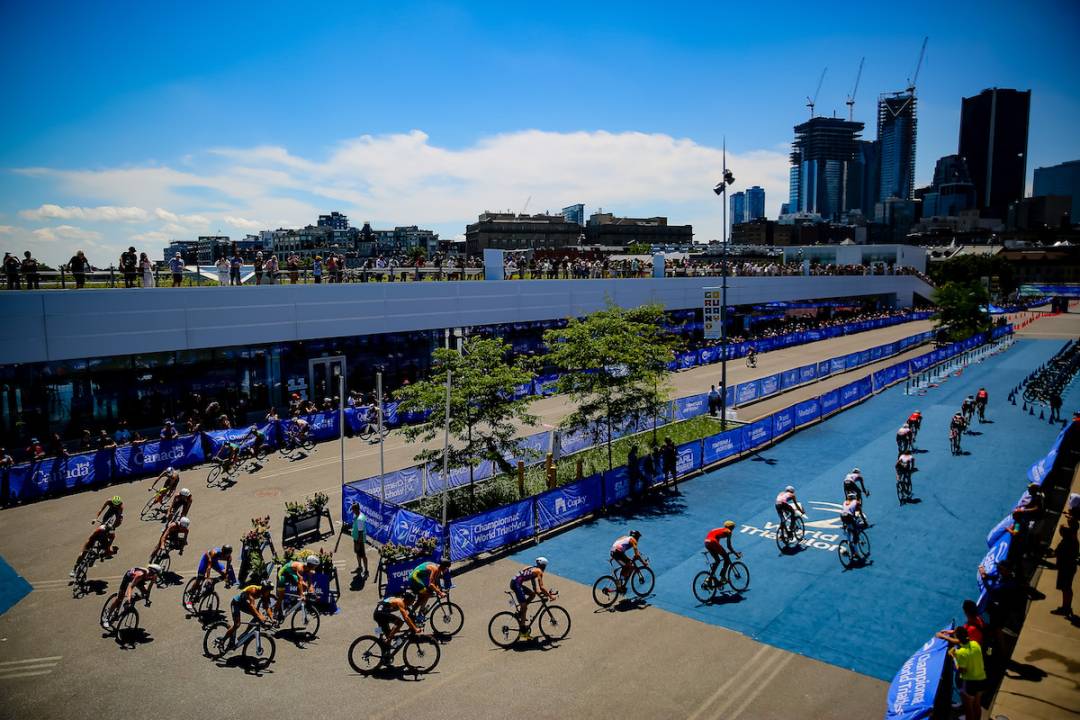
Amid the spectacle of elite and age-group racing at the World Triathlon Grand Finals in Australia, another endurance event was unfolding in the city: hours of congress sessions in which the sport’s governance was dissected and debated.
Most triathletes might claim little interest in the business end of their sport, yet decisions taken by the executive board and its sub-committees shape every aspect of what athletes experience – from race distances and rulebooks to host cities and how triathlon is presented to the wider sporting world, including the International Olympic Committee.
In short, the stewardship of the sport rests with World Triathlon – led by president Anthony Arimany of Spain and its democratically elected officials – and what happens at congress in Wollongong matters far beyond the meeting room.

As a topline, World Triathlon continues to suffer financially, struggling to generate sufficient revenue and relying heavily on returns from its investment portfolio to bolster the balance sheet.
Congress also filled remaining committee seats left open after last year’s elections in Torremolinos, admitted new national federations, expelled those that could not be reached, and formally welcomed Hyrox into the fold – a tentative first step on what may become a long journey towards Olympic inclusion.
Yet among the routine business were several resolutions whose outcomes should alarm anyone who cares about how the sport is governed.
Denmark’s Mads Freund, who stood against Arimany in the 2024 presidential race, put forward two motions: one calling for an independent investigation into last year’s elections, and another seeking to bar any individual previously sanctioned by a sporting authority, such as the Court of Arbitration for Sport (CAS), from holding power within World Triathlon.
The first motion followed undisputed evidence that Arimany helped compile a circulated list of roughly 70 names intended to predetermine the outcome of the elections – including all sub-committee appointments.

The second was linked to a CAS warning issued to Americas President Liber Garcia of Uruguay for putting pressure on Australia’s Michelle Cooper to support the same group.
These motions were further substantiated by a whistleblower, Canada’s president, Peter McCrory, who initially voted in line with Arimany’s wishes but later recognised that the methods used breached election rules.
He subsequently lodged a formal complaint with the World Triathlon Tribunal citing multiple breaches of the code of ethics, code of conduct and constitution. Despite the evidence, both motions were dismissed.
Instead, congress approved counter-resolutions censuring Triathlon Denmark (Freund) and Triathlon Canada (McCrory) for “improper conduct, damaging the image and functioning of World Triathlon”, under Article 23.a of the federation’s constitution.
Given the CAS ruling, the documented evidence and the candid testimony – including from McCrory who acquiesced to the initial voting carve up – the rejected resolutions had merit.
In contrast, the sanctions against Denmark and Canada appear to be less about protecting the sport’s integrity and more about silencing those willing to speak up for transparency.
If that alone is troubling, the indifference with which many national federations have greeted these developments, staying silent while a handful of individuals such as Freund, McCrory and Cooper risk speaking out, should concern the wider sport still further.


 Tim Heming
Freelance triathlon journalist
Tim Heming
Freelance triathlon journalist