Is your training putting you at risk of skin cancer? Here’s how to identify the signs and stay skin-safe when outdoors

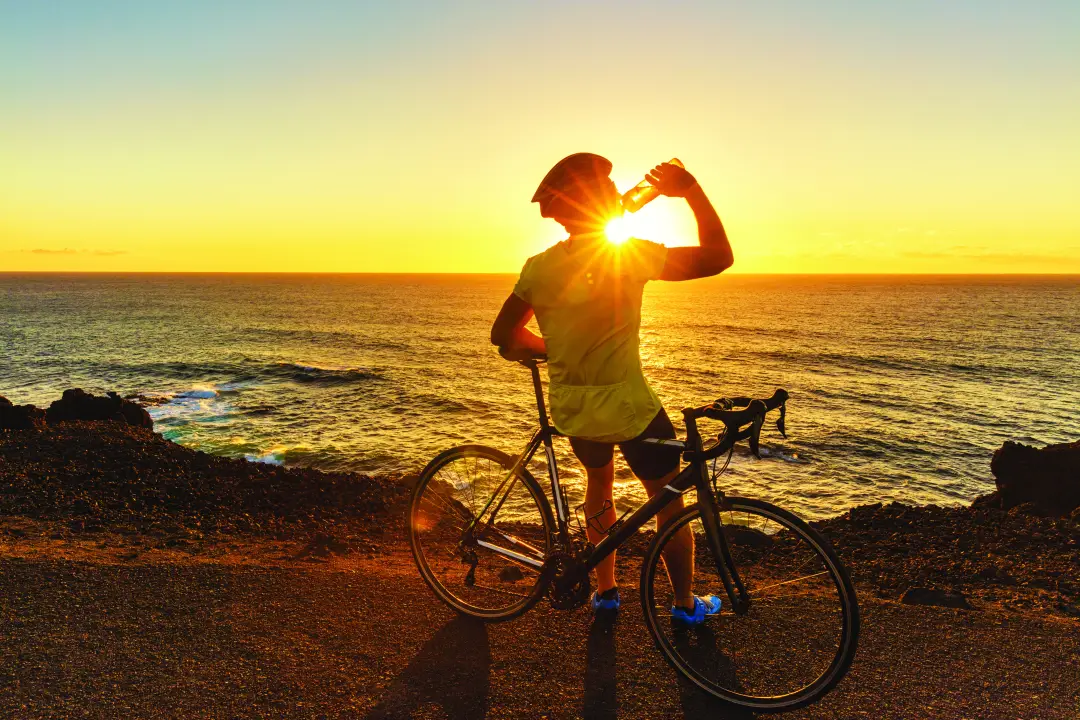
Long hours of training outside equal lots of sun exposure. But are you keeping your skin safe enough? Here’s how to do it, as well as recommendations for the best sunscreen for athletes.
After retiring from a successful, 17-year triathlon career, Georgie Rutherford had just thrown herself into her Long Run Collective coaching venture when her family noticed a lump on her left arm while on holiday.
“I didn’t know it was there because it was the back of my arm, so I didn’t see anything changing or developing,” says the 2009 Ironman 70.3 Age Group World Champion. “It wasn’t a mole that turned nasty, it was a lump that appeared.”
A few weeks later, she went to the doctors and was initially dismissed – “the nurse said it was a hormone skin tag” – before her mum told her to go back for a second opinion. “It took about four months for someone to take it seriously; even the surgeon who took it off said it looked like a load of blood vessels and not to worry about it.”
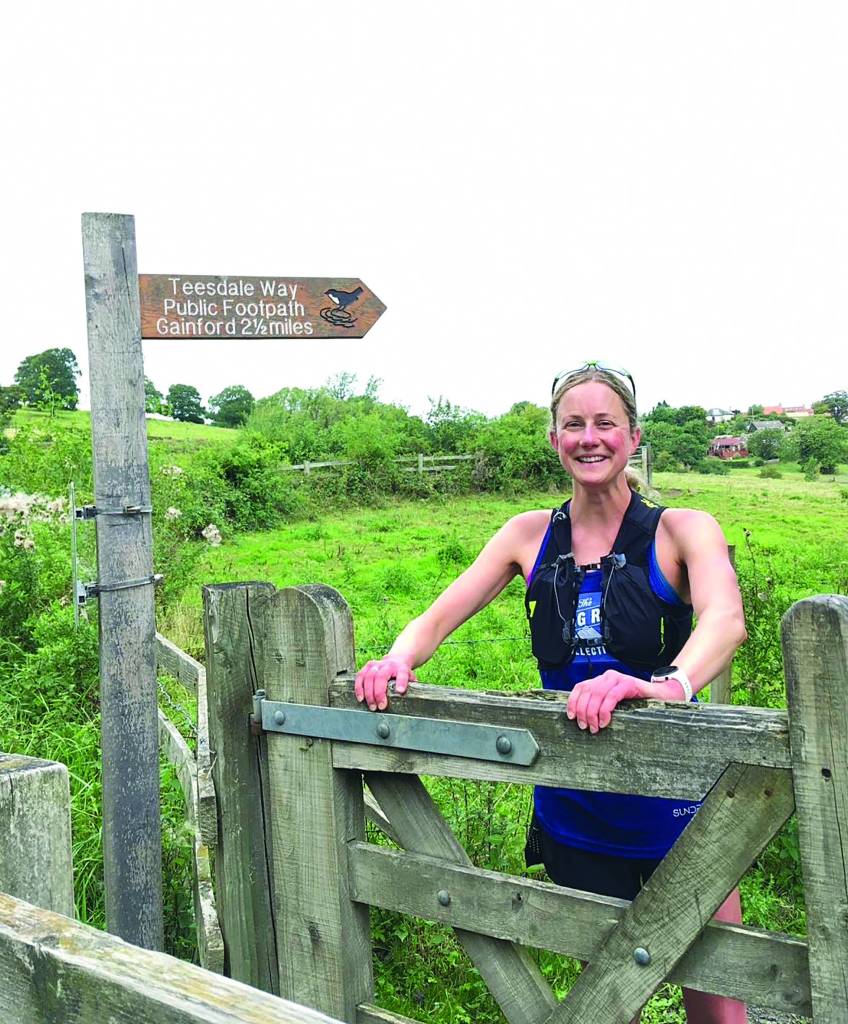
However, the biopsy that returned eight weeks later showed that it was stage two melanoma skin cancer and that Rutherford would need a further extraction and lymph nodes removed. “I was told that I’d be monitored every three months because they were very scared of a progression of cancer.” Unfortunately for Rutherford, this coincided with the UK going into the first Covid-19 lockdown in 2020, and there was no follow-up post-operation.
Further complications followed six months later with lumps and swelling around her chest, and Rutherford’s first fears were that it had spread to her breasts. After months of seeing private specialists with no breakthroughs, she finally got an answer – she had severe lymphedema – and started treatment, again privately. “Eventually, I got the treatment that I needed, but I was really scared that I was about to die because I felt so ill.”
Six years on, she is still living with the after effects – “my left arm is very sensitive now and I have to manage it with treatment every morning and lymphatic massages and acupuncture” – and is very aware of the risks of staying safe in the sun. “There’s definitely an element of fear now because you don’t really know what could happen.”
Are you sun safe?
Prior to her diagnosis, Rutherford marked herself seven out of 10 for sun safety. “I tried to be the one that was aware of it, but it’s always that thing of looking back and questioning ‘how diligent was I?’. Did I apply sun cream every time I went out training? I moved to America, and I don’t think any of us applied cream before we went to the outdoor pool. Did I reapply when out on the bike during Ironman training?”
If these questions are making you reassess your own approach to sun safety and skin care, then you’re not alone. Outdoor exercise in general increases exposure to ultra violet (UV) light, and a study in Sports Health journal concluded that “summer and winter athletes may be at increased risk for melanoma and nonmelanoma skin cancer because of their increased UV radiation exposure.”
The nature of triathlon – where you’re training for three different disciplines – means that it can be hard to avoid exercising in the middle of the day, when the UV index is at its highest. Even if you can dodge it in training, it can be impossible to avoid on event day, particularly if competing in middle and long-distance triathlons where the duration means your cycle and run legs are likely to coincide with the UV index’s peak. Add in the fact that sunblock can wash or sweat off, and any time spent reapplying in transition can have a negative impact on overall times, and it’s something of a perfect skin-damage storm.
High-profile cases
It’s partly why there have been high-profile skin cancer cases over the years – six-time Ironman world champion Mark Allen and four-time world champion Leanda Cave both overcoming their own diagnoses.
“Part of the fine print in being a triathlete is you’re going to be in the sun and you are going to have the risk of having sun damage to your skin,” says Cave, who had a basal cell carcinoma (BCC) in the middle of her back removed in 2013. “It’s very common amongst former professionals – a lot of my friends have had sun spots or basal and squamous cells removed.”
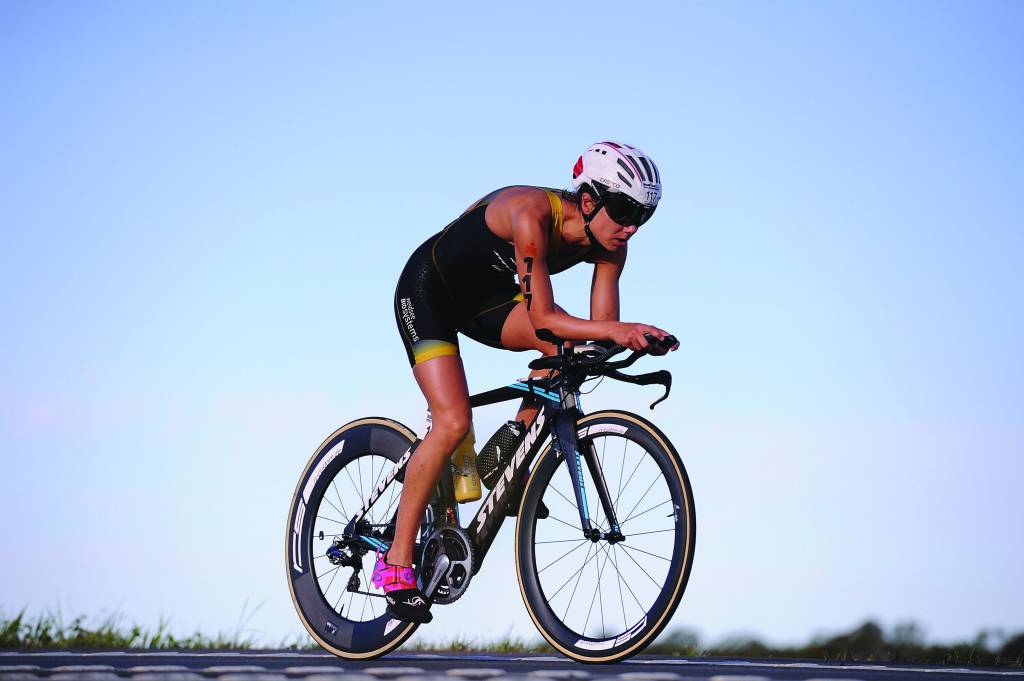
Although Cave says that sun safety wasn’t much of a consideration early in her career – “you’re young, you think you’re invincible” – she made a conscious effort to reduce the effects of sun damage like wrinkles after she had started to see her skin change in her 20s. “I started focusing on training in the early mornings and trying to be done before 10am to avoid the peak hours of the sun, and getting out again after four in the afternoon.
By that point though, the damage had been done. “It was late in my career and I was 33 when I did get skin cancer – those early years were taking their toll later on.” A biopsy cut the cancerous cells out and any remaining cells were killed using a chemotherapy cream that she applied for two weeks. Her brush with cancer reemphasised the importance of protecting herself though; she started reapplying sun cream throughout workouts, wearing sun sleeves on her arms, and using products with zinc in them – a natural mineral that works immediately and acts as a physical barrier that deflects the sun’s rays rather than absorbing UV radiation like chemical sun cream.
“I think focusing on training earlier and staying out of the sun for the most part has helped today,” she adds. “I see friends who look way older than what I do considering I had a profession in sport where I was outdoors and in the elements a lot and they weren’t – they were out sunbathing and deliberately trying to be in the sun.”
Signs to look out for
Cave’s BCC was ultimately caused by cumulative exposure to UV rays. The most common type of skin cancer, Dr Angela Tewari, consultant dermatologist at The Lister Hospital, says that BCCs are little breaks in the skin that never go away, but they stay very local to the area of the skin and can be treated with special chemotherapy cream.
“Carcinoma is a scary word, but it’s more to do with the fact that it’s uncontrolled cell growth rather than one of those cancers that spreads everywhere,” she explains.
Squamous cell carcinomas are another form of skin cancer caused by cumulative exposure. “Sometimes they get a little bit painful, come up quickly, or look like inflamed nodules. They are faster growing but very rarely can spread anywhere. We like to see those a bit quicker.”
The third type of skin cancer is melanoma, which is indicated by a change in skin pigmentation in a spot or a mole. “They aren’t as common as the other two, but melanoma is the one that can kill you. Your risk factors for that are sunbeds – particularly under the age of 35, and that’s even one session.”
It’s not just skin cancer that triathletes should be aware of though. “Any sunburn on the skin is an issue because that is damage to your skin cells that’s unrepaired – so that’ll be DNA damage, cellular damage, and we see that as inflammation. We know short, sharp exposures can propagate or push forward skin cancer, so we’ll see skin cancers on the legs of women or the backs of men, and that’s really due to episodes of burning.”
She adds that even a tan is a response to DNA damage. “Even though it looks great, it’s basically your body saying it’s been damaged.”
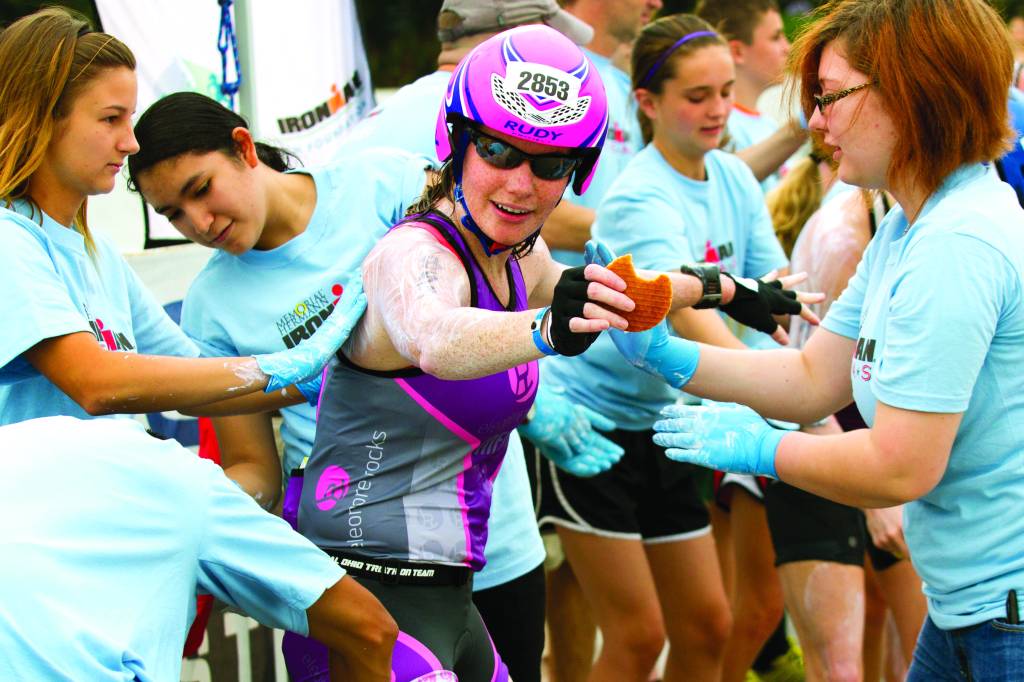
How to stay sun safe
Dr Tewari is keen to stress that sunshine in appropriate doses is good for you: ”There are a lot of positive attributes – we get an increase in Vitamin D production, seasonal affective disorder occurs when you have a lack of sunshine.” But it’s about doing it safely.
“It’s really important that you are using daily sunscreen on those exposed areas – the face, the neck, the hands – between May to September.” When it comes to exercising, she recommends trying to avoid the hours of 11am to 4pm when UV radiation on the skin is highest, but if that’s not possible, to take extra precautions. “If you’re going to go out in that time frame, wear protection like a hat, put some sunscreen on, and don’t forget your nose or the lips.”
Rutherford goes even further, saying that triathletes should view adding sun cream as a “fifth discipline”. “You can carry it in your back pocket like you would a sachet of a nutrition gel”, adding that applying and reapplying should be part of your training and racing strategy.
When to get checked
If you are concerned that you have sun damage to your skin, Rutherford, Cave and Dr Tewari all recommend getting it checked out, but Dr Tewari says that most little scabs or inflamed hair follicles are benign. “If it’s there for a few months, then definitely see your GP – particularly if you have a family history of skin cancers, you’ve had a lot of sun exposure growing up, or if you have used sunbeds.
“There’s an NHS two week-wait pathway, or seeing a dermatologist for a full skin check is very helpful. There is an ABCDE criteria for moles and if any of your moles fit that, it doesn’t mean that you’ve got melanoma, but it’d be worth seeing a specialist just to have a look.”
Rutherford adds that if you are dismissed, to go back and ask to speak to a dermatologist. “It’s a case that you have to shout for yourself. If I hadn’t gone back, who knows what would have happened? It took quite a while – did that time mean it progressed from stage one to stage two?”
The best sun creams for sports
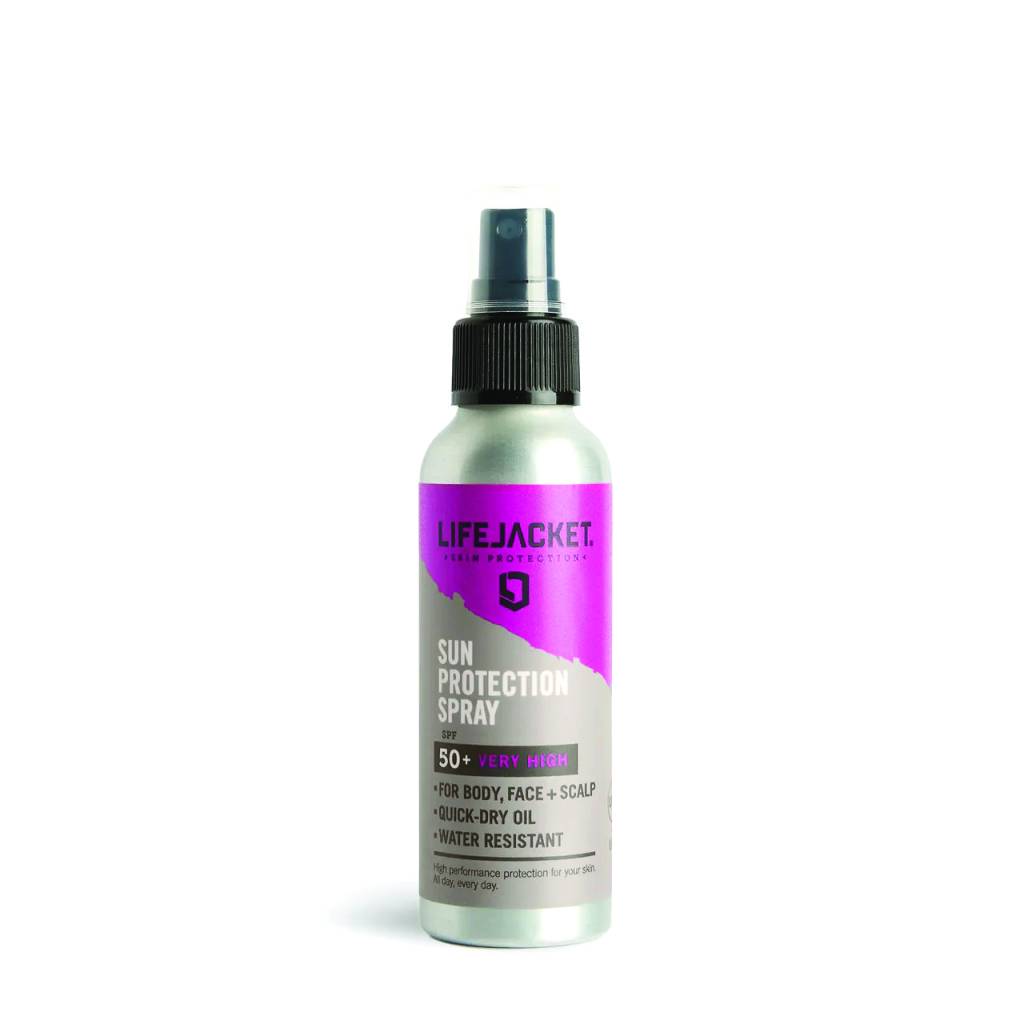
1. Life Jacket Skin Protection
Inspired by a co-founder’s own skin cancer diagnosis in his 30s, Life Jacket’s products are designed for outdoor activities. Its SPF 50+ sun protection is available as a gel, spray, stick or balm, and all are proven to be sweat-proof.
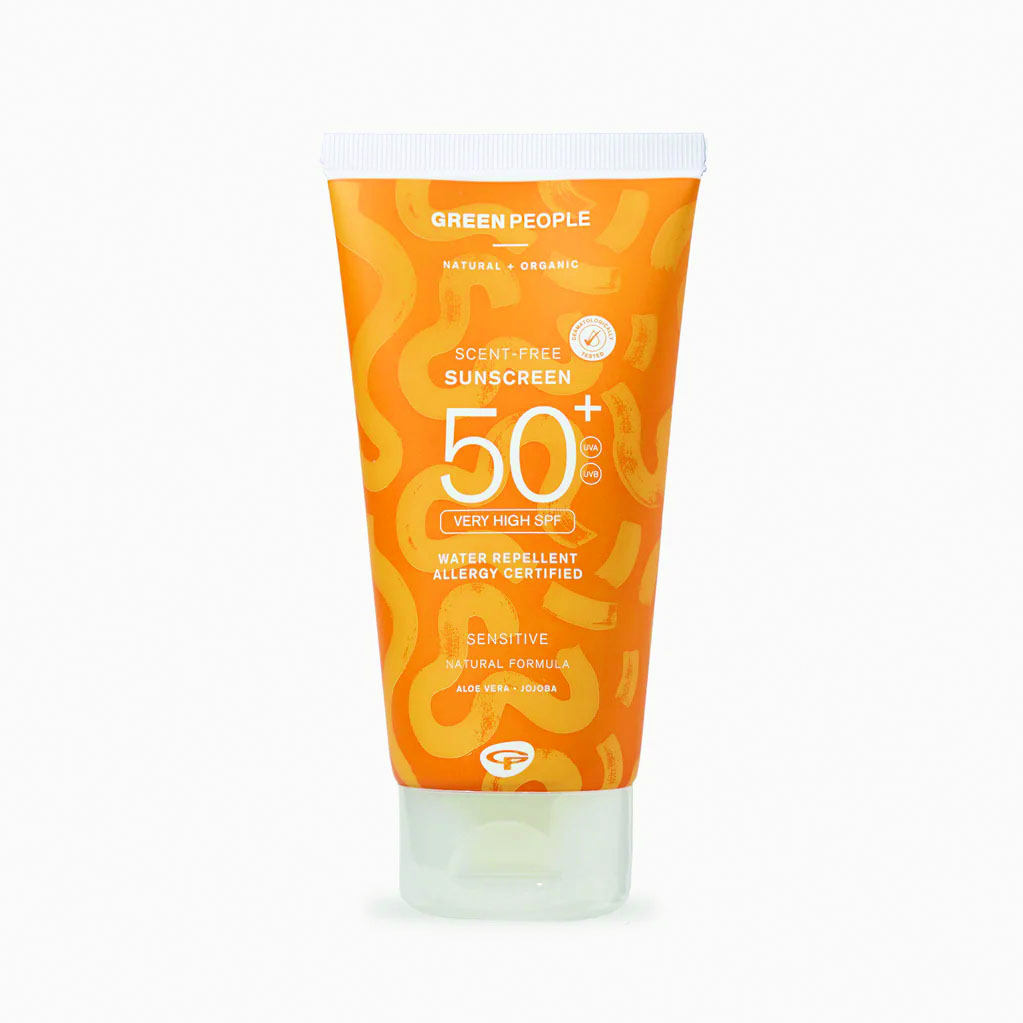
2. Green People
This organic beauty company from Denmark goes big on natural ingredients, and its scent-free SPF50+ sunscreen includes aloe vera for extra hydration and soothing. Suitable for sensitive skin, it’s also water-repellent and ocean-friendly.
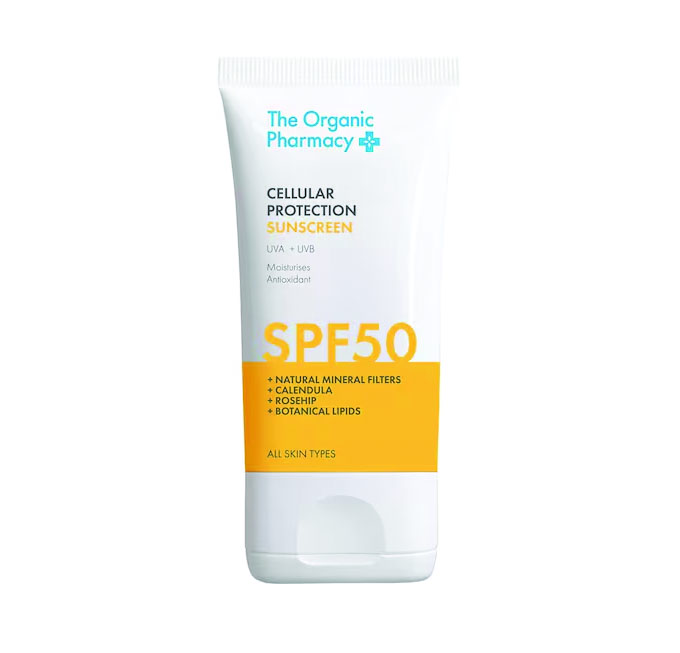
3. The Organic Pharmacy
The mineral-based sunscreen from The Organic Pharmacy protects against UVA and UVB without the whitening finish of traditional zinc sunblock. Packed with calendula and rosehip, it also hydrates and moisturises the skin while offering protection.
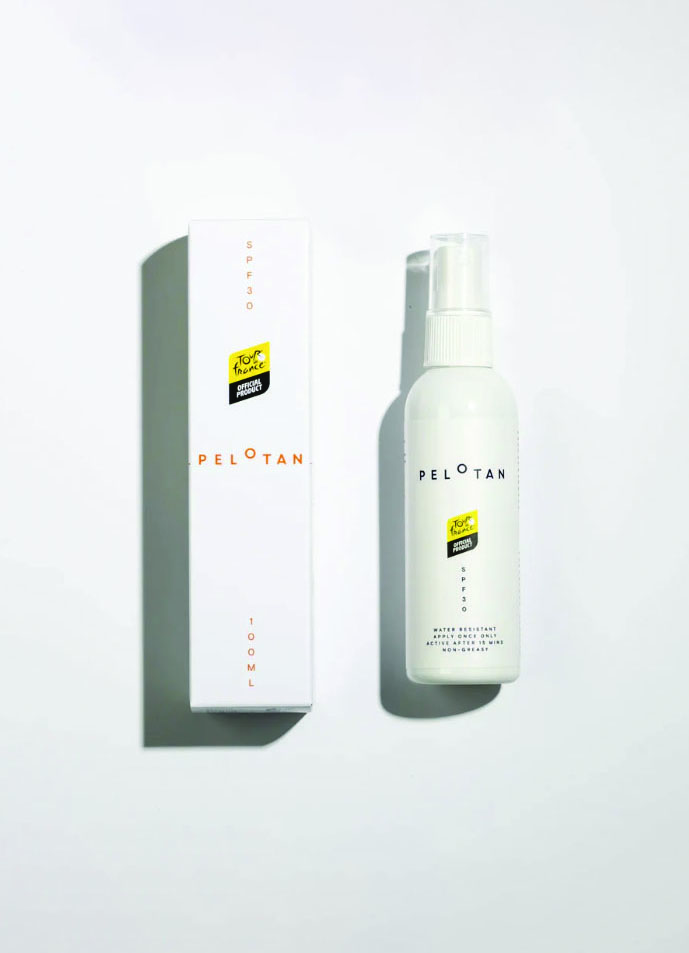
4. Pelotan
Lab-tested to last for up to eight hours, Pelotan might not have the SPF 50+ rating of other picks, but its longevity means the SPF 30 sun protection could keep you covered deep into a long-distance triathlon.
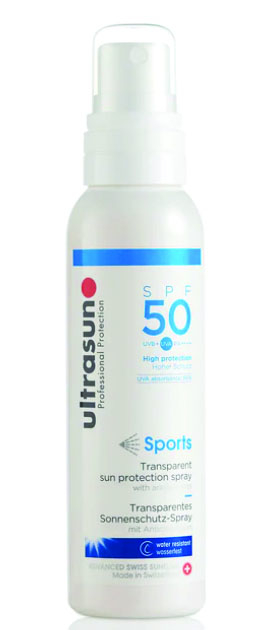
5. Ultrasun
This sports-specific protection comes in a gel or spray and gets to work within 15 minutes of application. Completely transparent and non-greasy, it feels nice against the skin and doesn’t sting if it does get in your eyes.
Dr Angela Tewari’s tips for staying sun-safe
- Avoid peak UV hours
“The radiation on the skin is highest generally between the 11am to 3pm or 4pm. Try and do your activities outside of those hours, or if you’re going to go out in that time frame, be mindful.” - Apply appropriate SPF
“It’s really important to use a high SPF and the higher the better. The SPF 50 sunscreens that are coming out now are really tolerable and really easy to apply. But the main thing is to find a sunscreen that works for you. I’d rather a patient use an SPF 20 every day and they absolutely adore it than an SPF 50 that they’re forcing themselves to wear.” - UVA vs UVB
“If you’re going to get high SPF, which is just the UVB sunburn, look for high UVA cover as well. UVA contributes to a much smaller proportion of sun redness or sunburn on the skin – for a given amount of exposure by UVA, you tend to pigment first. UVA cover is therefore based on the pigmentation protection factor (PPA), but there is this idea in the literature that UVA and UVB both could cause worsening sun damage, so if you protect against both, then you’re onto a winner.” - Reapply regularly
“There’s this notion that you should reapply every two hours, but realistically that is quite difficult. I would think of it in terms of three times a day – first thing in the morning, just before lunch, and just after lunch. Also, after getting out of the water. Obviously, if you can do more than that, that’s phenomenal.” - Cover up
“When it comes to swimming, water isn’t a protector and it actually allows increased penetration of UV rays. You want to be protecting your back, as much of the neck as possible, and the upper shoulders, and I’d be looking at more behavioral or clothing strategies like short arm wetsuits. You can have certain sunscreens that are water-resistant, but within 30 minutes it will wash off.”
Lead image: Shutterstock


 Charlie Allenby