Sometimes the best training for triathlon success is just doing whatever you want, as one pro athlete has proven

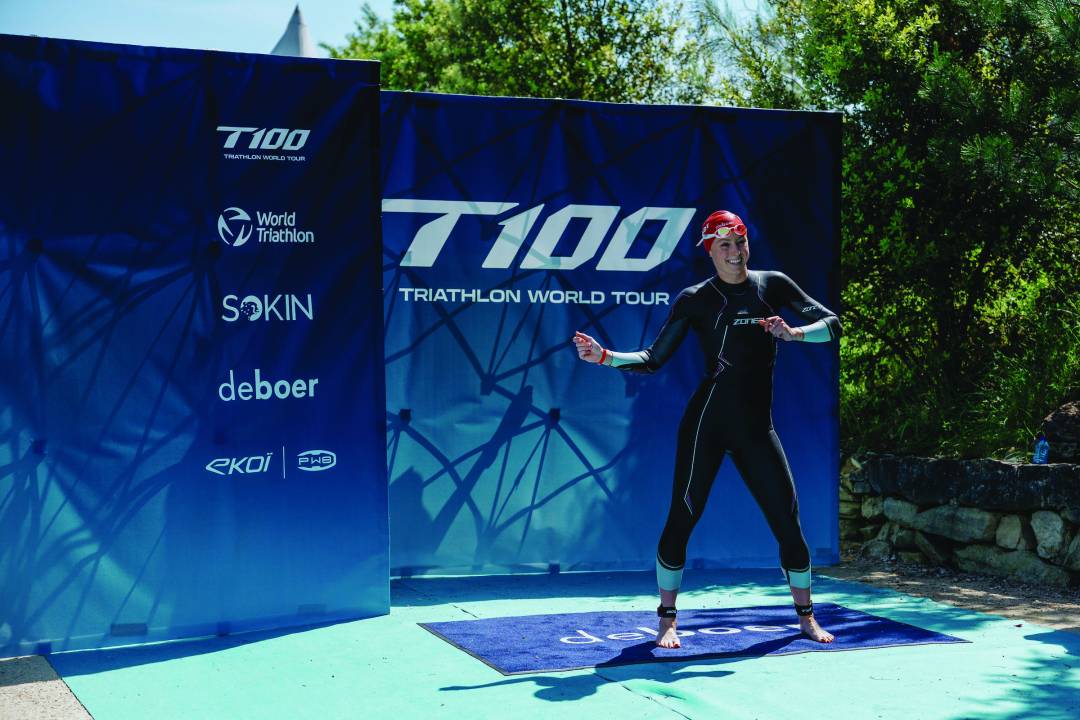
Downtime can be an uncomfortable concept when we’ve been bitten by the sports bug and want to pull on our run shoes as much as possible, but the example of a top-ranked British professional shows why it’s often the right choice to make
Triathlon is particularly addictive when it comes to training. It is a typical musing when out on a sunny bike ride with mates: name another sport where you spend so much time training for comparatively little competition? A rhetorical question, but it does emphasise how triathlon often goes beyond hobby to lifestyle where we strive to become better each day.
If we’re not trying to improve, what is the point? Well, there are other reasons: health and enjoyment, to name two, but self-improvement is laudable, and if you roll three sports into one there is always an opportunity to develop.
It’s addictive, but sometimes we need to give ourselves a break, and Georgia Taylor-Brown is a classic example of an elite performer who made a brave choice to release herself from the pressure of performance, and return with renewed vigour. We’re choosing the words carefully, because the Manchester-born triathlete didn’t step away from multisport, but made decisions that rejuvenated her will to race, rather than wear her down.
Leading medal hope
For the best part of a decade, one of the leading Olympic triathlon medal hopes for Britain, GTB first qualified early then had to wait an extra year for Tokyo, winning silver in the individual race and gold in the mixed team relay, despite being on crutches just weeks before the race.
Often medal-winning triathletes will have a comparatively low-key year after a Games before ramping it up as qualification starts in year two of the next Olympiad. No such chance here, because Paris was just three years away, a period where she had another major injury, a calf tear, as well as “using triathlon to escape home life” as she navigated the end of a volatile relationship.
Interviewing Taylor-Brown in the mixed zone following the Paris Games, where she qualified late and then finished sixth on “empty legs”, I sensed more relief that the cycle was closing than disappointment.
Taylor-Brown returned a few days later to help GB to bronze in the relay, but it was clear she was ready for a reset. In 2025 she seized that opportunity. It’s not that she didn’t race. One look at the ProTriathletes.org website, an excellent service from the PTO, shows eight outings and there were more in bike races and other adventures.
On her own terms
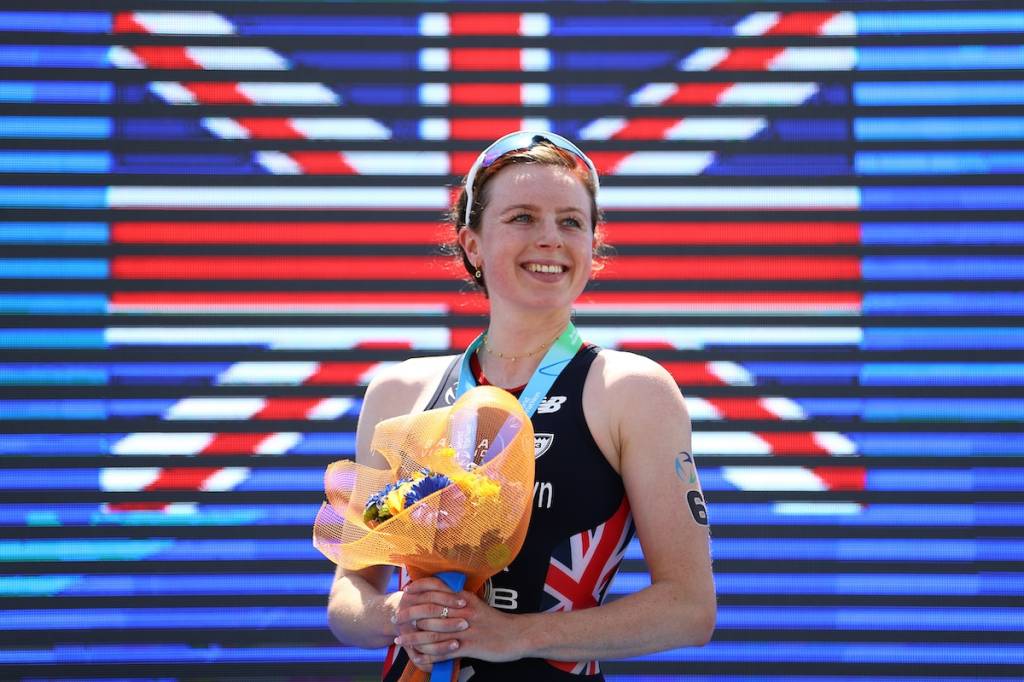
It’s that she did it on her own terms. Not starting any swim, bike, run racing until July, and doing most of the racing in November and December where she mixed up middle distance events, placing fourth at both the Ironman 70.3 World Championship and T100 grand final.
But it was achieved more in exploration than necessity. If things went awry, such as a bike mechanical in London, it was met with a shrug and a smile, and by the end of 2025 Taylor-Brown was ready for a final Olympic odyssey heading towards Los Angeles.
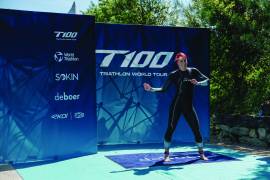
We’ll know if that is successful in due course. At 32 years young, she must still be considered one of the leading contenders and if early 2026 form is anything to go by – striding to a first T100 win in Pamplona last month – there’s every chance she could add to the medal tally.
As for the rest of us, it’s a lesson that we shouldn’t be scared to take a longer break or simply refocus at times. We might not have elite aspirations, but most triathletes like to feel fit, and it’s often in our make-up to become obsessive over training.
Yet if we are brave enough to park the idea that fitness is hard-earned and easily lost, recognise that an off-season can be more than a fortnight, and resist the jitters of an unstructured routine, it could pay dividends, both mentally and physically, in the long run.
Lead image: T100


 Tim Heming
Freelance triathlon journalist
Tim Heming
Freelance triathlon journalist