A French sailor leaked the location of an aircraft carrier with a Strava upload – it’s time you checked your privacy settings too
The Navy officer's ill-fated run should prompt us to question how much we share on the exercise-recording app

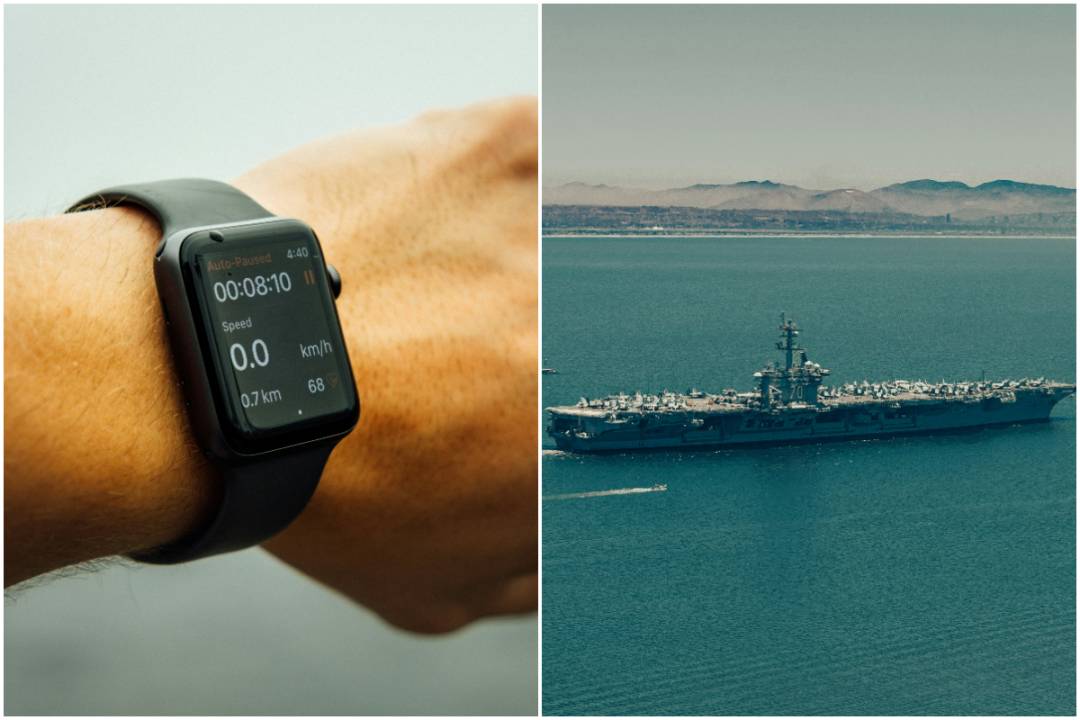
A French sailor’s accidental disclosure of the location of an aircraft carrier with a Strava run highlights the risks of using the app for all of us.
As first reported in Le Monde, on March 10:35am, ‘a young French Navy officer’ recorded a 35-minute run with his smartwatch on the deck of the Charles de Gaulle. Because his Strava profile was public, he shared the location of the aircraft carrier and its escort in the Mediterranean Sea for all to see.
French president Emmanuel Macron had announced the carrier strike group’s journey to the Middle East amid the intensifying war between America and Israel, and Iran. But a report in the UK Defence Journal notes that the “precision and timing of the data” is sensitive.
All for the sake of a 7km run and a couple of kudos.
Being careless with our Strava data is unlikely to have such grave repercussions for most of us. But it’s well worth checking who can see what when you upload a run, ride or swim.
Keep it to yourself

Many Strava users seem to be unaware that you can adjust the visibility of workouts you upload. After posting dog walks, evening yoga, 2km rides for milk, and race warm-ups, they will sometimes write ‘apologies for the spam’, when they could keep this mundane stuff to themselves.
This is hardly Strava’s fault. Beyond the public/private profile dichotomy, the app enables you to personalise the data you upload in myriad ways. In 2020, it responded to justified safety concerns over Flybys, which revealed data on people you passed, by making this feature private as standard.
Personally, I set my profile to public and my rides/runs are private by default. Is a two-hour endurance ride on my glamorous home roads of the West Midlands worth sharing? I tend to think not.
I will though sometimes make more interesting rides (longer ones in nicer surroundings, for example) public. The same generally goes for group rides and races.
Strava’s visibility settings are quite refined in this regard. If you want an effort on a segment to appear in a leaderboard but not in your followers’ feed, you can publish the activity only to your profile. What’s more, you can adjust whether to show the activity to everyone or just your followers.
Stravanoia
Posting publicly less often on Strava is a sure way to reduce your screen time. You won’t be receiving or checking for kudos notifications.
Being more private also reduces the risk of ‘Stravanoia’ – that nagging feeling that what you’re recording isn’t fast, long or hilly enough.
Chasing a higher average speed to ‘impress’ your followers is guaranteed to undermine your zone 2 training. It can also compromise your interval training if you don’t sufficiently ease off in the recoveries.
Fine tune your settings
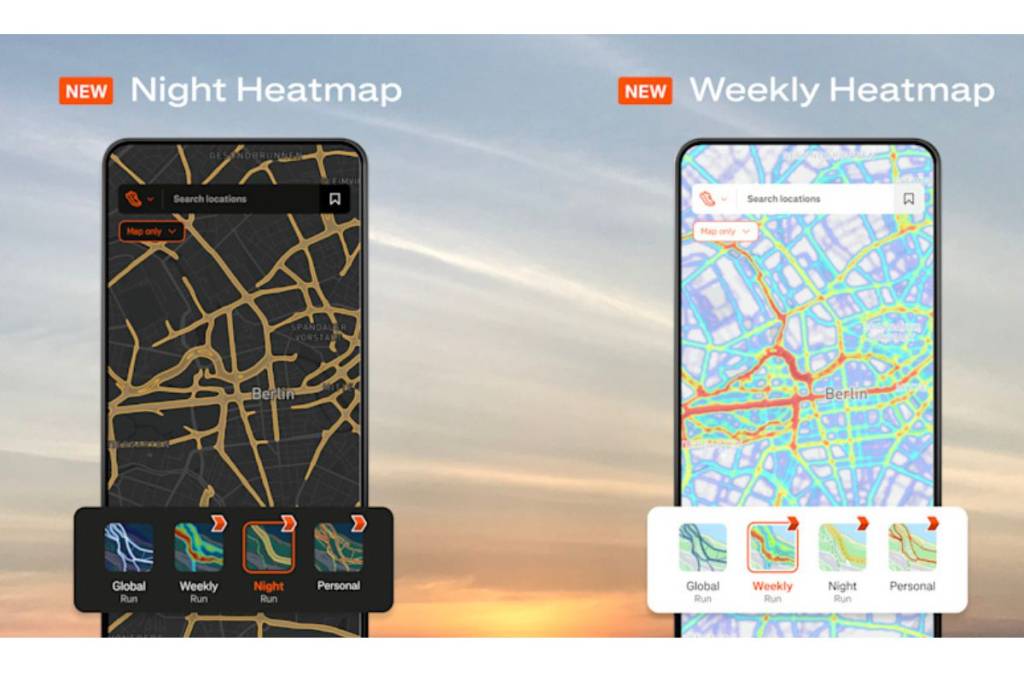
I’d also recommend setting an inclusion zone on Strava around where you start and end your activities in case some works out where you live.
Posting commutes publicly in which you regularly follow the same route at the same time is also potentially dangerous. I don’t commute anymore, but I do hide the start time of all my activities so as not to reveal when I might be out of the house.
Cyclists should also question the wisdom of posting pictures of their bike on Strava, especially if slacker security settings could alert potential thieves to what they own.
User error
Every time a blundering military mile-muncher breaches security with a Strava upload, use of the app comes under scrutiny. But as I’ve explained, this is user error and not a flaw of the app, which offers many ways to hide data.
If you learn anything from the Frenchman’s faux pas, please review your Strava privacy settings now. Safety aside, adjustments could improve your fitness and mental well being.


 Jack Evans