Should Alex Yee concentrate on marathon running?
The Olympic triathlon champion’s stunning marathon performance at the end of last year opened up new possibilities as he looks ahead to Los Angeles in 2028.

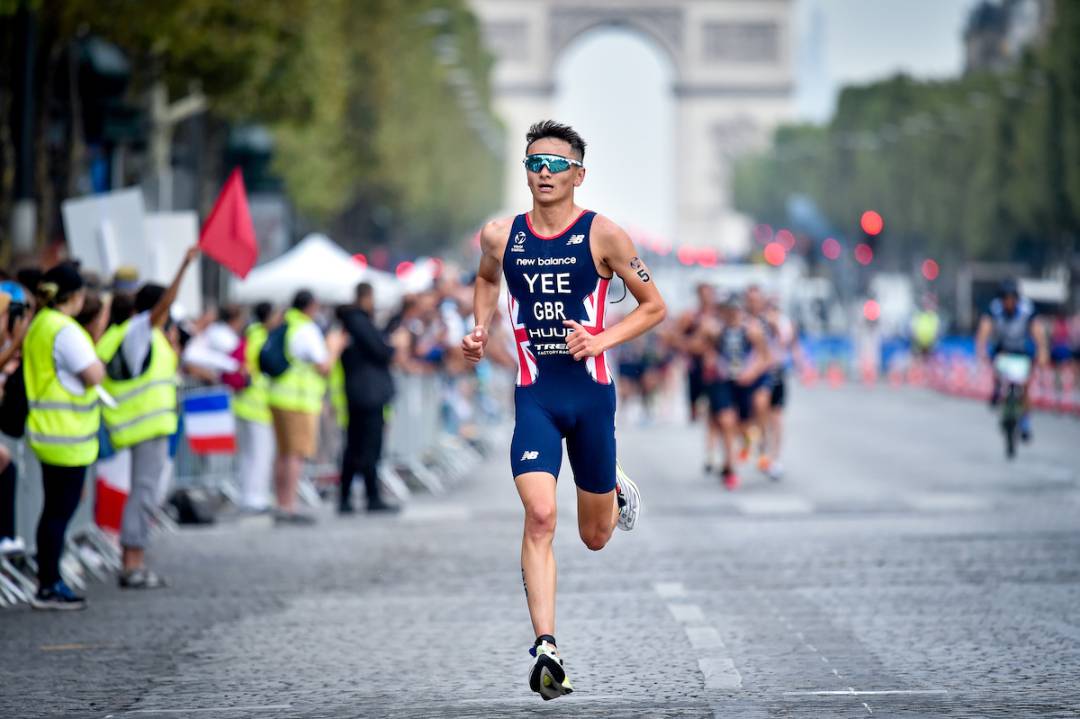
In Valencia in December, in one of the world’s most competitive marathons, Olympic triathlon champion Alex Yee ran 2:06:38 to become the second-fastest British marathoner of all time.
There was everything to admire about not just the performance, but the team’s application over the whole year, which started with a hometown attempt in London and, with lessons learned, culminated on the east coast of Spain.
But Yee has also given himself, if not a dilemma, then certainly a decision to make.
Triathlon or marathon?

As Britain’s No 1 marathoner right now, should his focus for the Los Angeles Olympics in 2028 remain on triathlon, or should he also look to incorporate running 42.2km?
For precedent, USA’s Taylor Knibb attempted the cycling time trial before the individual and mixed team relay events at the Paris Olympics in 2024.
Scot Beth Potter’s triathlons–10,000m double and Bermudian Tyler Butterfield’s triathlons–marathon were multipronged attempts at the Commonwealth Games in 2018.
While not like-for-like comparisons, they underline one major challenge – the risk of spreading yourself too thin over a limited competition window.
A tempting Olympic timetable

Yet, dangling the carrot, the timetable could not be better set.
The men’s individual triathlon is at the start of the Games on July 16th, followed four days later by the mixed team relay, affording a full 10 days of recovery before the men’s marathon on July 30th.
Would Yee be competitive? He will be 30 and still close to his prime, and poor health or injury notwithstanding, will be a favourite to retain his Olympic triathlon title.
Given our strength as a nation, and with Yee’s footspeed on the final leg, GB will also be odds-on for a third consecutive relay medal.
Championship racing favours fast finishers

The marathon is entirely different. Yee’s Valencia time, where he was more than four minutes behind Kenya’s John Korir, ranked him 89th in 2025.
Detractors will argue he wouldn’t have a chance, but major championship marathons are also a strange beast.
Without pacemakers, they tend to be slower, more tactical races, with countries limited in how many athletes they can send, and the best runners from East African nations often targeting more lucrative big-city marathons.
Tamirat Tola’s 2:06:26 from Paris is the Olympic record, but if Yee continued his long-run focus for the next three years, that’s footspeed he could match.
Can he train for both?
Temptations aside, the possibility of taking on both disciplines is most skewered by the incompatibility of the training.
When you know a handful of seconds in the 1,500m swim could be the difference between missing the bike packs and placing first or 15th, while holding 3min/km for 42.2km demands a more risky, run-heavy approach to training, the specificity of the demands makes it fiendishly difficult to tackle both; a point hammered home by a mixed team relay leg (300m swim, 6–8km bike and 1–2km run) that took Yee just 20 minutes in Paris.
More multisport earnings

From a bird’s-eye perspective, triathlon could also offer more career longevity and, with it, greater earning potential from prize money, bonuses and endorsements.
There are myriad more equipment-based sponsorship opportunities and the potential in longer-course racing beyond the Olympics.
Finally, the most important aspect is what Yee actually wants to do.
Interviewing him over the years, it’s clear he loves both sports, and from his early years with Crystal Palace Triathletes and Kent AC he competed on both footings.
A happy athlete often makes a successful athlete, but a fulfilled athlete is better still.
Tim has previously interiewed Yee about his London Marathon training plan.


 Tim Heming
Freelance triathlon journalist
Tim Heming
Freelance triathlon journalist